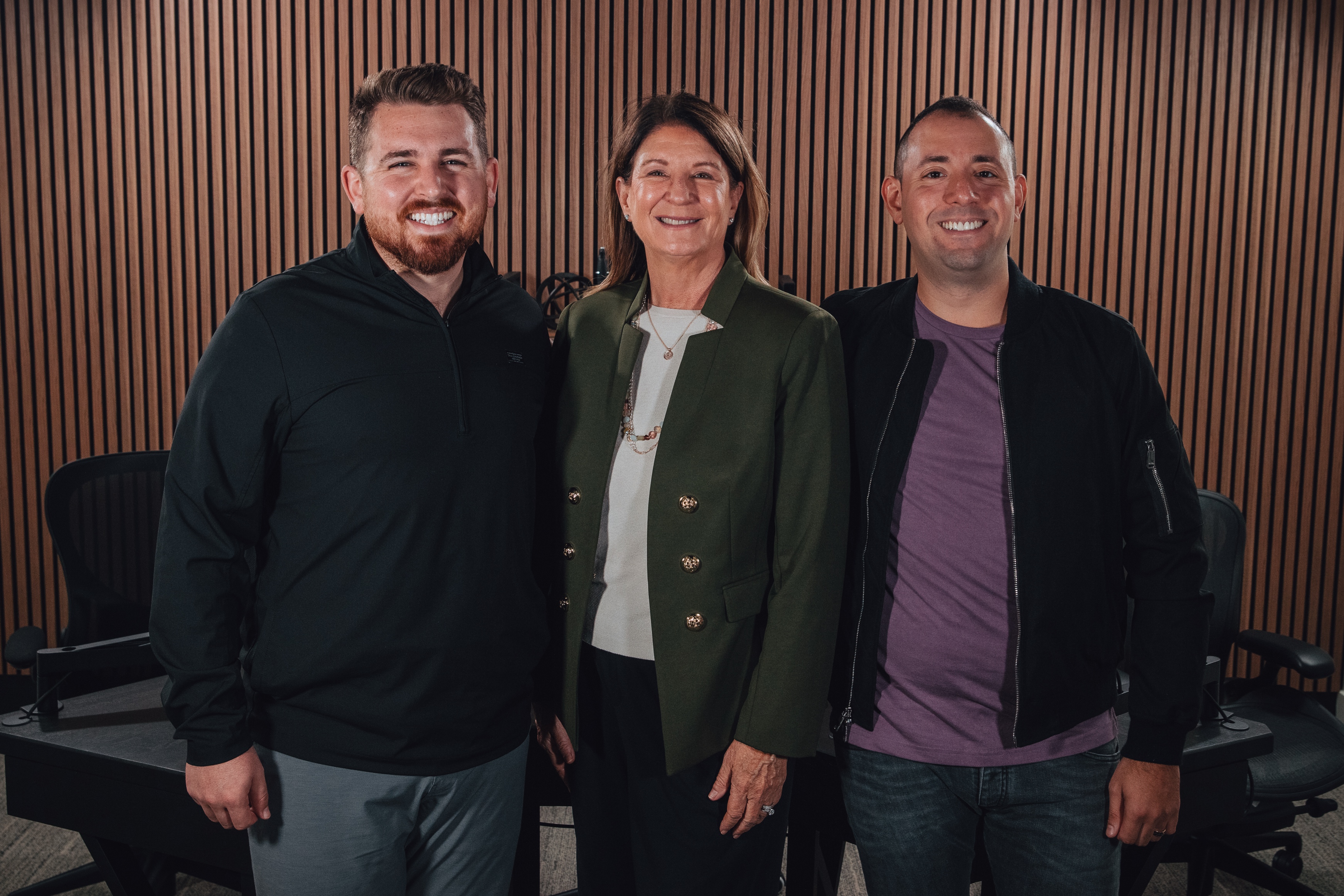
How are children being harmed by psychiatric practices and why is almost no one talking about it? In this powerful and eye opening episode, Diane Stein, President of CCHR Florida, exposes the hidden dangers of psychiatric abuse and the growing overmedication of children. Drawing on decades of experience, Diane explains how powerful pharmaceutical interests target youth, silence parents, and normalize practices that damage mental and emotional health.
In this conversation, Diane breaks down how children are misdiagnosed, drugged, and labeled instead of being truly helped. She also explains the mission of the Citizens Commission on Human Rights and how education, awareness, and legal advocacy are protecting families and restoring basic human rights. This episode shines a light on a topic that directly affects parents, educators, and anyone who cares about the future of children. Diane is also a longtime devout Scientologist and she explains which Scientology tools she uses daily to help others.
If you are a parent, professional, or concerned citizen wondering what is really happening behind the scenes in mental health care, this episode delivers real facts, real warnings, and real solutions from someone on the front lines of the fight.
Free Baker Act Help: 800-782-2878
Watch the full episode here:
Audio Version:
Apple Podcast:
https://podcasts.apple.com/us/podcast/dont-do-nothing-podcast/id1846609884?i=1000790093038
Text Version:
[00:00:00] Aaron: We could not leave the hospital. There were 15 people that went around and surrounded them- Mm-hmm … and were like, “You’re going back in there.”
[00:00:06] Brad: If a parent sees this and finds themself in that situation- Mm-hmm … what should they do?
[00:00:10] Diane: In order to take somebody into custody for an involuntary psychiatric examination in the- Yeah
[00:00:14] Diane: state of Florida, there are very specific legal criteria in the statutes that must be met. They’re not taken into custody, it’s, it’s a civil action under, you know, the mental health act. I go, “Can they leave?” They’re like, “No.” “Are they in handcuffs?” “Yes.” They’re in custody. Their main source of income, in some cases, is the labeling and drugging of their family members.
[00:00:34] Aaron: Guys, today we have Mrs. Diane Stein, who is the president of the Citizens Commission on Human Rights chapter in Florida. She’s been doing that for 10 years. She left a for- for-profit world doing incredible house construction. She’s had a PR firm, international, like, doing amazing things, and she left that life to protect kids.
[00:00:55] Aaron: Our kids, your kids, everybody here in Florida, she has been putting blood, [00:01:00] sweat, and tears into this fight to protect children, not just here in Florida, but across the United States. And w- through this work, she’s passed more than 50 pieces of legislation protecting children, and countless of other protections that she’s done that you may never know about.
[00:01:13] Aaron: But we wanna find out a little bit about that today. And she started this work because she is also a Scientologist. In 2025, she received the highest award, the highest honor in the entire Scientology religion, which is the International Association of Scientologists Freedom Medal for her work protecting children from abuses of the mental health problems that we have here in the United States.
[00:01:35] Aaron: Welcome to the podcast, Ms. Diane Stein.
[00:01:37] Diane: Thank you so much, gentlemen. That was an amazing introduction. I appreciate that.
[00:01:40] Brad: Absolutely.
[00:01:41] Diane: Yeah. Yeah. I’m impressed by
[00:01:42] Brad: that. So I think,
[00:01:44] Aaron: well, yeah, you should- That was amazing …
[00:01:45] Brad: I’m, I’m
[00:01:45] Aaron: impressed, dude. I’m impressed when I, when I, when I see you- Yeah … I’m impressed. Well, thank you.
[00:01:48] Aaron: So I wanna, I wanna know from you, Diane, like, how is it that you came into this field where people, people don’t even wanna hear about these atrocities that are happening. Right. Like, when [00:02:00] I, when I- Good point. Yeah … when I talk about, like- Oh, so- … “Hey, listen, there’s electroshock,” like, I have a friend of mine in high school who, we can get into that story, but, uh, his life was taken through electroshock.
[00:02:10] Aaron: Okay? And, um, when I talk about this with people, a lot of times they’re like, “I don’t wanna hear about it, I don’t wanna talk about it, I don’t wanna see it.” You know, a documentary, “Oh, I don’t wanna watch that.” Like, there’s, there’s this resistance to actually confront and look at the issues that are happening.
[00:02:25] Aaron: Right. So it takes… Yeah, go
[00:02:26] Brad: ahead. And before you answer, I- Sure … I wanna confess something here. Like, Aaron has actually gotten me to confront this, ’cause when we first started getting together and doing this, I was like, “I’m not looking at that.” And then he actually started me showing, showing me pieces and, like, clips of documentaries and stuff, and I was just like…
[00:02:42] Brad: I remember one day you showed me something actually here in the studio of, like, just a, a CCHR ad-
[00:02:47] Diane: Mm-hmm …
[00:02:47] Brad: about electroshock and electroshock on kids, and I was just like Actually like in tears just watching the, the clip, not even the whole documentary. So I’ll add to that, thank you for being willing to confront it.
[00:02:59] Diane: [00:03:00] Yeah. You’re
[00:03:00] Brad: welcome. It’s, it’s a thing that takes guts.
[00:03:03] Diane: Thank you. I appreciate that.
[00:03:04] Aaron: It really does. And so I wanna know how is it that you decided to go on that s- this field that so many people are afraid of? Like- What drove you into this field?
[00:03:13] Diane: Well, it wasn’t an easy decision, obviously, and it wasn’t something that, you know, I decided lightly, right?
[00:03:18] Diane: You know, as you had mentioned, you know, it’s like I’ve done a lot of things over the years. Um, everything from helping to build high-end homes to I was a landscape architect designing golf courses. You know, it’s like I had a PR firm. I worked as a business consultant. I mean, I did a lot of things, but, uh, one of my, one of my lifetimes, if you will, this, this go-round, was, um, also working in the nonprofit arena.
[00:03:42] Diane: I was actually on staff at a Church of Scientology in Atlanta for many years-
[00:03:45] Aaron: Mm-hmm.
[00:03:45] Diane: Mm-hmm … and really enjoyed the nonprofit world, and also the changes that were being made by, um, the individuals working at the Church of Scientology, the people who called themselves Scientologists, and especially the [00:04:00] humanitarian endeavors that were associated with Scientology.
[00:04:02] Diane: So, um, about 10 years ago, um, I kinda just took a look at my life. Our daughter was grown, married, out of the house. You know, there’s my husband and I, and we’re kinda leading this very comfortable life, and I looked around at the world, and I was like, “You know what? There are a lot of people in dire need of help, and they’re not getting the help that they need.”
[00:04:25] Diane: You can just see that by looking at the news- Totally … walking down the street, you know, paying attention in the grocery store, what have you. And so I decided that I needed to make a change, and the Citizens Commission on Human Rights was always near and dear to my heart because of an incident involving my mother- Mm
[00:04:42] Diane: where she was taken into custody under Florida’s mental health law, which is called the Baker Act. Mm-hmm. It’s slang for- Yeah … the Mental Health Act, right? And, uh, she was taken into custody for an involuntary examination, and that really kinda was a bit of a wake-up call for me because she didn’t meet the criteria, [00:05:00] and-
[00:05:00] Aaron: When, when was this?
[00:05:01] Diane: This, gosh, this would’ve been, like, maybe 12 years ago.
[00:05:04] Aaron: Okay.
[00:05:04] Diane: 11 years ago. Oh, wow. Something like that, so right before I made the change. So close.
[00:05:07] Aaron: Yeah. Wow.
[00:05:08] Diane: Yeah.
[00:05:08] Aaron: Mm.
[00:05:09] Diane: You know? So I decided I needed to make a change. You know? Mm-hmm. It’s like, and that kind of made me… You know, that experience, my own personal experience with that and what myself and my sisters went through, um, kinda led me to look more closely at what the Citizens Commission on Human Rights does.
[00:05:23] Brad: Mm.
[00:05:24] Diane: And when it was explained to me, you know, that, you know, CCHR, as it’s known, um, it’s a nonprofit, it’s non-religious, it’s non-political, and, um, you know, the entire, like, mindset is to not just investigate and expose abuses in the field of mental health, but also restore human rights and dignity.
[00:05:45] Aaron: Mm.
[00:05:46] Diane: And that whole restoration of human rights and dignity really called to me.
[00:05:50] Diane: And so, um, 10 years ago, myself and my husband just decided to literally turn our lives upside down and, um, make the leap back into the world of [00:06:00] nonprofit, and here we are today.
[00:06:01] Brad: That’s so awesome.
[00:06:02] Diane: Yeah.
[00:06:03] Brad: When, when you said, can I- You’re gonna talk about the
[00:06:05] Aaron: mom?
[00:06:05] Brad: Yeah. Okay. I was gonna ask, you said she didn’t meet the criteria?
[00:06:09] Diane: That’s correct.
[00:06:09] Brad: What does, what does that statement mean? What-
[00:06:11] Diane: Okay, so in order to take somebody into custody for an involuntary psychiatric examination in the- Yeah … state of Florida, there are very specific legal criteria in the statutes that must be met-
[00:06:21] Brad: Hmm …
[00:06:21] Diane: in order to take somebody into an, the facility, right?
[00:06:25] Diane: They’re called Baker Act receiving facilities, uh, BARF- Yeah … for short, B-A-R-F.
[00:06:30] Brad: Uh, stop. It’s
[00:06:31] Diane: a BARF. It’s a BARF? It’s a BARF. I know.
[00:06:33] Brad: Stop.
[00:06:34] Diane: I know. I know, right? I can’t help myself. Right. I mean, that’s the acronym. So anyways, I didn’t make it up.
[00:06:39] Brad: Wow.
[00:06:40] Diane: So, um, you know, they can be held there up, for up to 72 hours.
[00:06:44] Diane: Now, the criteria are s- that the person is mentally ill or appears to be mentally ill. Now, the definition of mental illness in the state of Florida is defined by statute to exclude such things as substance abuse-
[00:06:56] Brad: Mm-hmm …
[00:06:57] Diane: um, just plain old antisocial [00:07:00] behavior and, uh, developmental disabilities like cerebral palsy or something like this,
[00:07:04] Aaron: right?
[00:07:05] Brad: Oh, wow.
[00:07:05] Diane: Yeah, so autism, you know- Mm-hmm … it’s like, that they’re actually… And now we, we, CCHA
[00:07:11] Brad: works with Health Advocacy Mintrip.
[00:07:11] Diane: Substance abuse is not? It’s not a mental illness. Now, it’s like they will- Oh … they being the mental health field- Okay … try to make substance abuse a mental illness, but it’s an actual-
[00:07:19] Brad: You’re right.
[00:07:19] Brad: Yeah.
[00:07:19] Diane: Yeah.
[00:07:20] Brad: That’s true.
[00:07:20] Diane: But it’s, it’s actually not. Substance abuse is not a, you know, simply being intoxicated is not a mental illness.
[00:07:26] Brad: Wow.
[00:07:26] Diane: Yeah. Yeah.
[00:07:27] Brad: Great. Wow.
[00:07:28] Diane: Yeah. So you have that, and then my mother was having an adverse reaction to, uh, some drugs, some prescription drugs she was taking. And so that’s why my aunt called the police, and the police Baker Acted her, and it was just like she didn’t meet the criteria.
[00:07:42] Aaron: Well, so this was in her home?
[00:07:44] Diane: Yeah, she was actually, her, she had an altercation with my, uh, one of my family members at her home here in Florida. Mm-hmm. And, uh, uh, my family, the other family member called the police. The police came on, uh, on the scene and decided to Baker Act her, which police have the [00:08:00] authority to Baker Act in the state of Florida.
[00:08:01] Diane: Oh. Most states actually have law enforcement have the ability to, to initiate a psychiatric hold.
[00:08:07] Brad: Oh, wow. Yeah. And how old was your mom at the time?
[00:08:09] Diane: Oh my gosh, I don’t remember. Yeah. I mean, it was like, she’s passed away now. Oh, I’m sorry to hear that. But, um, it’s okay. Yeah. It’s okay. She lived, you know, the end of her life was amazing.
[00:08:18] Brad: Yeah, good.
[00:08:18] Diane: You know? We got her, we got her out, got her moved in with my sister, and, uh, my sister did an amazing job taking good care of her, and she got to help raise her grandkids, and there you go. That’s awesome. So she had a happy ending.
[00:08:29] Brad: Good.
[00:08:29] Diane: Um, but she was not, I mean, she wasn’t elderly, like super elderly or anything.
[00:08:33] Diane: Mm. You know what I mean? It’s like, you know, she was just like a regular person. She just unfortunately had a bit of a problem with prescription medications. She’d been, she’d been abusing prescription medications since before I was born, you know? Oh,
[00:08:46] Aaron: wow.
[00:08:46] Diane: So, yeah, yeah. You know, so that was something that we always dealt with in our family.
[00:08:49] Diane: And, uh, she never was able to, like, really handle it. So
[00:08:53] Aaron: yeah. And so, so by, by law-
[00:08:55] Diane: Yeah …
[00:08:55] Aaron: if someone is And I’m, I’m not saying this about your mother, but let’s just say someone [00:09:00] was, like, tripping out.
[00:09:00] Diane: Mm-hmm.
[00:09:01] Aaron: Right? They’re having something, some reaction from some kind of drug.
[00:09:05] Diane: Mm-hmm.
[00:09:05] Aaron: That, by law, is not a reason to Baker Act somebody.
[00:09:09] Diane: No, there’s three criteria. The mentally ill, or appear to be mentally ill, right? And then, um, they’ve refused a voluntary examination after being told what, why they need to get an examination. Mm. Like, there’s a, there’s legal terminology, and I’m not a lawyer and I don’t give- Right, right, right … legal advice.
[00:09:23] Diane: Okay, okay. But the, you know, the idea being that the, the person has true informed consent- Mm-hmm … about why they need to go get an examination, but they’ve refused. Mm. And the third criteria is that they’re a danger to themselves or others- Right … that cannot be avoided through the willing help of responsible family, friends, or other services.
[00:09:41] Aaron: Yes.
[00:09:41] Brad: It says that in the law? Yes. It does.
[00:09:43] Aaron: Yes. I’ve read it. No, no,
[00:09:44] Brad: let me- What? Wow.
[00:09:46] Diane: Can I- Yeah.
[00:09:46] Oh.
[00:09:46] Brad: What a responsible thing to put in a law. I’m, I’m honestly shocked, ’cause I’m like, wow, that actually restores-
[00:09:52] Aaron: But it’s
[00:09:52] Brad: not, it’s not followed. It’s not followed … so much faith in lawmakers. Yeah. That, that says-
[00:09:55] Diane: Yeah But it’s not, he’s right though.
[00:09:57] Diane: It’s not follow. It’s not followed. Aaron just mentioned. That was one [00:10:00] of the biggest things- Wow … back in when I first took, uh, a leadership role at CCHR that I was just absolutely appalled at- Mm … was the fact that, um, in the state of Florida, the number of children that were- Mm-hmm … being taken into custody under this law.
[00:10:12] Diane: And we’re talking kids under the age of five in some cases. We’re not talking- Yeah … like, you know, 17-year-olds. You know, it’s like, yes, 17-year-olds were, but it’s like- Yeah … children of all ages, all ethnicities. And, um, the, the number was, like, tremendous, right? And my argument- What is the
[00:10:29] Aaron: highest it, like, what’s the-
[00:10:30] Diane: Okay, the peak was in, I believe, 2018, 2019.
[00:10:33] Diane: The- they do their count from, like, July to July. Okay. So it’s a little bit different, right? Yeah. So, um, but the peak was almost 40,000. It was like 38,000- Children … initiations on kids. So not 38,000 children, right? 38,000
[00:10:49] Aaron: initiations ’cause there are repeats. And so one, one had been multiple times. Okay.
[00:10:50] Diane: Exactly.
[00:10:51] Diane: Exactly. And I don’t re- I don’t know off the top of my head what the actual number of kids were, but it was close. But that’s over
[00:10:55] Aaron: 100
[00:10:55] Brad: per day.
[00:10:57] Diane: Yeah. It was, it was-
[00:10:57] Brad: Over
[00:10:57] Diane: 100 children per day … crazy. It was [00:11:00] absolutely unbelievable what was happening. You have to realize, right, it’s like, number one, kids can’t give permission for anything.
[00:11:07] Diane: That’s right. So why aren’t parents being called? Yeah. This is like, we started on the road to parental rights. Oh, the informed consent piece. Yeah. They can’t, they can’t even go, “Yeah, I’m gonna go on the field trip.” They have to get a permission slip- Yeah … to go on a field trip, right?
[00:11:17] Aaron: Right.
[00:11:18] Diane: Um, and, uh, most parents are willing and able to help their kids.
[00:11:23] Diane: Mm-hmm. So why, again, aren’t parents being called if a Baker Act, perceived Baker Act situation involving a child is occurring, right? So that was our argument from day one when I, when I took on a leadership role at CCHR, was like, “How come we’re not calling the parents?” Mm-hmm. “How come we’re not actually-” Mm-hmm
[00:11:39] Diane: “bringing them into the equation?” And nobody could give me a good answer, and so that’s kind of where my crusade began, you know, because I was getting these calls on our hotline, and they were just horrific. I mean, literally parents were, at that time, finding out that their kids had been Baker Act-ed when they didn’t get off the school bus.
[00:11:55] Diane: Mm-hmm.
[00:11:55] Brad: Mm-hmm.
[00:11:56] Diane: Yeah.
[00:11:56] Brad: And just because I, I, it’s obviously there’s… We’ll get [00:12:00] into kind of the handlings which y- you’ve actually really been kind of like pushing to, to- Mm … uh, my understanding is there’s been some huge wins in that direction- Yeah, absolutely … legislatively. But just to, to plug it right here- If a parent sees this and finds themself in that situation- Mm-hmm
[00:12:16] Brad: what, what should they do?
[00:12:17] Diane: Well, they can contact CCHR Florida because we do have, um, a website where you can fill out an abuse form. We have a hotline number with the website, you know, right on the website right there. You can Google it. Ask Siri, she can find it for you really super fast, right? Um, but we have a hotline where, um, individuals, staff, and some volunteers who have been, uh, certified on, you know, done training on the Baker Act through the Department of Children and Families.
[00:12:41] Diane: Like, they actually understand the law better than some attorneys in many cases. Hmm.
[00:12:46] Aaron: Wow.
[00:12:46] Diane: Yeah. So they can call us for help. We can help somebody navigate the system. It doesn’t, it doesn’t have to be involving a child either. It’s like, can be the elderly, veterans.
[00:12:54] Brad: Hmm.
[00:12:54] Diane: Anybody who lives in Florida or just came– Oh, if you just, you’re here visiting, [00:13:00] you too are subject to the Baker Act.
[00:13:02] Diane: It’s not just peculiar to Florida citizens.
[00:13:05] Brad: You can be on vacation and be Baker Acted?
[00:13:07] Diane: Absolutely.
[00:13:08] Brad: Oh, I never thought about that. Wow.
[00:13:09] Diane: Yeah.
[00:13:09] Brad: So, and, and the punchline is if you’re a will- if you’re a family member who’s willing to help-
[00:13:13] Diane: Mm-hmm …
[00:13:14] Brad: that’s like, that’s where to go to for help. Absolutely.
[00:13:19] Diane: With your family member.
[00:13:19] Diane: Absolutely. Yeah. You know? I mean, there’s lots of different nuances to the law, and it’s like without, you know, getting super, you know, into the weeds- Yeah, yeah … on Florida statute, right? Um, it’s like the simplicity is, is that every person in Florida has rights, and if they know those rights and their family members know these rights, then they can ensure that the- their rights are not abused.
[00:13:40] Diane: And if they find themselves entangled in the mental health system where they don’t belong there-
[00:13:44] Aaron: Mm-hmm …
[00:13:45] Diane: they can get out. Yeah.
[00:13:46] Aaron: Yeah.
[00:13:46] Diane: Yeah.
[00:13:47] Aaron: I wanna share, uh, a story which you may or may not remember or know.
[00:13:52] Diane: Okay.
[00:13:53] Aaron: But, uh, I had a very, someone very close to me. Um, let me, let me give you the full events, okay?
[00:13:59] Aaron: There’s [00:14:00] somebody who, um, I care for, and their family member was like, “Hey, let’s get you checked out for nutritional deficiencies in your blood,” or something like that, to see maybe if you’re sad or depressed, it might be because of that.
[00:14:16] Brad: Mm-hmm.
[00:14:18] Aaron: So by the way, if that’s happening, I really recommend you go to like a naturopath or some- somewhere other than a hospital.
[00:14:24] Aaron: I just have to say. Like, I, I’m just… That’s advice for me. It’s just advice. Um, but so this person went to the hospital and, um, in talking to the people at the hospital, um, it turns out that somebody said like, “Hey, this person is… They don’t look right, and we’re probably gonna be, um, Baker Acting them.”
[00:14:47] Diane: Okay.
[00:14:48] Aaron: Okay. Um, and again, fine. There’s… A little bit off, right? And so at the end, the, the family member who was trying to help that person said like, “Oh, I don’t want this.” And they’re like, [00:15:00] “We’re gonna go.”
[00:15:00] Diane: Right.
[00:15:01] Aaron: Right? And literally tried to walk out of the hospital with the guy, and I’m not joking you, there were 15 people that went around and surrounded them- Mm-hmm
[00:15:12] Aaron: and were like, “You’re going back in there. You, you cannot leave.”
[00:15:15] Diane: Right.
[00:15:16] Aaron: Right? And, and it, it was a… I actually, I ended up going there. I was, I was there at this time.
[00:15:21] Brad: Oh, wow.
[00:15:21] Aaron: And, um- I said, “Hey,” you know, I’m like, “I know about CCHR and all those whole things.” I’m like, “Listen, they haven’t been Baker Acted.” And then he goes, “Watch this.
[00:15:33] Aaron: Give me the paper.” She grabbed the paper and she signed it. Now he has been.
[00:15:37] Diane: Yeah.
[00:15:37] Aaron: Right? And
[00:15:38] Diane: we’re like, “Oh- I was gonna ask you, did they actually sign the form? ‘Cause if they hadn’t signed the form- They, they were- … he could legally walk out …
[00:15:42] Aaron: yeah, so we were, but we were walking out, so they were holding us-
[00:15:45] Diane: Yeah
[00:15:46] Aaron: before they signed the form.
[00:15:47] Diane: Right.
[00:15:47] Aaron: And I’m like, “You have no right.” And then they said, basically, “Now you have to go back,” right? So then at that point I actually called into CCHR or- Mm-hmm … sent an email or I think I did both, and I believe you responded, whether you remember or not, but you basically said like, “Hey, this is the law,” [00:16:00] and, and showed me the statutes and said, “There, if there’s someone who’s responsible and, and, and, and willing,” like you said, that, that law- But yeah
[00:16:05] Aaron: maybe we should send the link and we should put the thing in there. Uh, for that person, they cannot take him. So the advice that I got and what we did, they were, like, ready. They- Yeah … this was, like, happening. We could not leave the hospital.
[00:16:17] Diane: Right.
[00:16:17] Aaron: There was security guards, there was a full staff, like the hallway was totally full.
[00:16:20] Aaron: Mm-hmm. We could not get out of there. And, um, what I did, I got an email and I said, “Hey, I am…” Or this… And it wasn’t me, it was, um, this person’s, um, sister. And she said, “I’m legally responsible,” or whatever it was, but it was somebody said, like, “I’m responsible for this person. I will take him. I will take care of him.”
[00:16:39] Aaron: Yeah. And we sent an email to the hospital’s legal team.
[00:16:42] Brad: Mm.
[00:16:42] Diane: Yeah.
[00:16:42] Aaron: And we said- … “I’m responsible, so therefore this person cannot be Baker Acted by
[00:16:47] Diane: you.” Right.
[00:16:48] Aaron: And when I showed it to, like, the nurse, they’re like, “Well, let me see this,” or whatever, and then they went back.
[00:16:52] Diane: Mm-hmm.
[00:16:53] Aaron: And then within 30 minutes they’re like, “Okay, fine.
[00:16:54] Aaron: You guys can go.”
[00:16:55] Diane: Yeah.
[00:16:56] Aaron: Wow.
[00:16:57] Diane: Yeah, so-
[00:16:57] Aaron: That’s
[00:16:57] Diane: the power of knowing your rights,
[00:16:59] Aaron: man … so, so that, that’s the [00:17:00] thing. Like, we, we were like, “Let’s go,” and, like, they’re all leaving.
[00:17:03] Diane: Yeah.
[00:17:04] Aaron: We were physically barred and stopped, and it’s like signed. Mm-hmm. And so that’s a, that’s just the power of knowing your rights. Like, and, and we called and we got the information of what to do.
[00:17:12] Diane: Uh-huh.
[00:17:13] Aaron: Right? And then you read the law.
[00:17:14] Brad: Yeah. ‘
[00:17:15] Aaron: Cause that’s, that’s, it’s called having the knowledge, right? Yeah. Knowledge is power. Yeah. However you wanna put it. So- Thank you.
[00:17:21] Diane: Yeah, you’re welcome. Yeah. I do remember that, and I’m glad that it turned out fine. Yeah. I believe you did tell me as well. I mean, obviously we get a lot of calls, so sometimes- Yeah
[00:17:29] Diane: I get a little mushed up, but as you- Yeah, yeah … were telling the story, I’m like, “Oh yeah, I remember that.” You know? But it’s all too common where individuals are misled, misguided, lied to by- Mm-hmm … those who are, uh, given the power to actually initiate the Baker Act. Sometimes the person honestly doesn’t know they’re, what they’re doing, like they actually don’t understand the law themselves.
[00:17:50] Diane: Other times, maybe it’s, you know, a little bit more of a financially, you know, motivated decision, right?
[00:17:56] Brad: That’s exactly what I was gonna ask. Is there, there has gotta be some [00:18:00] insane, uh, incentive structure here that’s causing that to happen. To have-
[00:18:04] Diane: Well, it’s not an incentive structure so much as- Yeah
[00:18:07] Diane: it’s paid for, right? So on average… Okay, so, um, back in 2018, I think it was, um, the Tampa Bay Times did an entire expose. They worked with me, uh, behind the scenes for, like, a year putting together, like, a series of, like- Mm … I think it ended up being, like, eight different stories, like six in the newspaper front page- Wow.
[00:18:28] Diane: Wow … and then they had podcasts and all kinds of things, right, um, that’ll went along with it. But exposing the for-profit situation with a specific chain, it’s called Acadia.
[00:18:38] Aaron: Mm-hmm.
[00:18:39] Diane: And, um, they, the hospital they were looking at, we have two Acadia facilities in Florida. One is called Park Royal and the other is called North Tampa Behavioral Health.
[00:18:47] Diane: Mm-hmm. And they investigated the, um, profit structure basically, and found out, you know, that people were being held longer, right? Like- The law says 72 hours. People were getting held longer than that. Mm. [00:19:00] Um, average, you know, day payment is, like, 1,400 bucks, right? Per, per person being Baker Acted. And at that time, I think the-
[00:19:09] Aaron: And who gets paid, who gets paid that $1,400?
[00:19:10] Diane: The hospital.
[00:19:11] Aaron: Okay.
[00:19:11] Diane: The, the facility, right? Yeah. The facility that gets, you know, that’s holding the person. The
[00:19:15] Aaron: jailers.
[00:19:16] Diane: The jailers, yeah. I mean, it’s like I, sometimes when I’m having these conversations with individuals in the mental health industry, you know, I’ll be like, “So when the person is taken into custody,” they’re, they’re not taken into custody.
[00:19:25] Diane: It’s, it’s a civil action under, you know, the mental health act. I go, “Can they leave?” They’re like, “No.” “Are they in handcuffs?” “Yes.” They’re in custody, right? Wow. It’s like, I mean, come on, man.
[00:19:36] Aaron: You know? Wow. Are they always– Like, how, how often are they hand- actually handcuffed?
[00:19:40] Diane: A lot, unfortunately. The way… There’s many different professions that can ishi- initiate a Baker Act in the state of Florida.
[00:19:47] Diane: Mm. One of them is law enforcement. Yeah. They’re able to do that. And unfortunately- That, that one
[00:19:50] Brad: makes sense. That
[00:19:52] Diane: a- Yeah. It’s like- You know … but unfortunately, they also account for about, uh, 50% or just over 50% of all Baker Acts- Mm … no matter the age group, [00:20:00] right? Um, and in many cases, a lot of that was due because if they got called onto the scene where there’s a perceived Baker Act situation, the law, the way it was written, said that they shall take the person into custody, right?
[00:20:14] Brad: Oh.
[00:20:15] Diane: So we helped change that- Wow … to may. So now law enforcement- Mm … has the ability to make a, an on-call decision, and they’re not mental health trained- Mm-hmm … per se. Maybe they’ve done some sort of course or something like that. But my argument, they just need to know the law, right? Yep. Because mentally ill- That’s right
[00:20:33] Diane: are m- not mentally ill, right? They- Mm-hmm. They– Okay, good. They can just, like, forget about that, that one. They can just mark it as a yes all the time because they’re not trained. Okay, good. But they can make a very easy decision on the other two, and the other two are either met or they’re not met.
[00:20:48] Brad: Yep.
[00:20:48] Diane: Right?
[00:20:49] Brad: Yep.
[00:20:49] Diane: So, you know, they, you know, the idea of, like, training all law enforcement on mental health, I think is folly. I think it’s the wrong way to go. Yeah. The better [00:21:00] way and to ensure that Baker Acts are done justly would be to train mental health professionals and law enforcement on the law- Mm-hmm
[00:21:08] Diane: so they understand the rights and the nuances so they can keep the person safe, everyone around them safe, and actually the intent of the law. The intent of the law in 1970 when Maxine Baker, hence Baker Act- … the politician that re- Thanks,
[00:21:25] Brad: Maxine …
[00:21:26] Diane: reformed the law. You know, the, well, the existing mental health law was even worse.
[00:21:30] Diane: It was like- Oh,
[00:21:31] Brad: never mind. Thanks,
[00:21:31] Diane: Maxine. Yeah. I mean, literally, like- Like, it’s like if, like if Aaron and I wanted to get rid of you, we’d just get Kubby over there, and the three of us would go before a judge and tell them, “You know, this Brad guy, he’s, like, kind of nuts, and so we’re thinking maybe he needs to get put away.”
[00:21:44] Brad: Which, which I am, by the way.
[00:21:44] Diane: And, um- In the best way … the judge, if he signed it, off you would go.
[00:21:48] Brad: Wow.
[00:21:48] Diane: Held forever. Like, there was no, like, limit to how long you would be held, and your family would be billed for it I’m not kidding. It was the, the law was horrific. It was so bad. Wow. And Maxine Baker actually had the [00:22:00] intention- It was?
[00:22:00] Diane: I know. Wow. It was bad. It had been on the books for, like, you know, decades and decades. Mm-hmm. But Maxine Baker actually, her intention was to ensure that individuals who were vulnerable, those who were having mental health issues, that their civil liberties and their rights were not abused. Wow. Wow. So that was the original intention of the Baker Act, was to ensure that people were not abused.
[00:22:19] Diane: It wasn’t to be able to wholesale cart kids and the elderly off. Is Maxine Baker still
[00:22:23] Brad: alive?
[00:22:24] Diane: No, she passed away many years
[00:22:25] Brad: ago. She’s
[00:22:28] Aaron: gotta be freaking rolling in her grave. Yeah, absolutely. Wow. I mean, it was the exact intention. The, the name- Yeah … is, it, it’s kinda sad that it, like her name is used- Yeah
[00:22:34] Aaron: as like, “Hey, we’re putting these people into custody”- Yeah … as opposed to what she was trying to do- Wow … is to get them not.
[00:22:38] Diane: And we have it in Norway. Well, the intention was to protect human rights. Yep, that’s right. And then fast-forward to where we were in the not too distant future, and even still to today in some cases.
[00:22:48] Diane: Mm-hmm. It was one of the biggest human rights violations we had going on in the state of Florida, was literally kids just being carted off. The kids either, I mean, zip ties or handcuffs in the back of police cars. And like I said, when I started this [00:23:00] journey, the parent found out their child was not, was Baker Acted when they didn’t get off the school bus- Mm
[00:23:05] Diane: or they weren’t in the carpool lane.
[00:23:06] Aaron: Mm-hmm. Wow.
[00:23:06] Diane: Because the way the law was written, the schools didn’t have to tell them. And the facility had 24 hours to notify them. So they could literally, their child could’ve been at a psychiatric facility, and we’re talking an eight-year-old, right? Like, when I say these things, it’s like I’m, I’m pulling from, like, our hotline calls, right?
[00:23:24] Aaron: Mm-hmm.
[00:23:24] Diane: So it’s, like, literally, like, an eight-year-old, never been away from home before, now at a psychiatric facility. The parent finds out hours after the child has been taken into custody, goes to the facility and is told, “I’m sorry, but visiting hours are over. You’ll have to come back on Monday.” Right?
[00:23:40] Diane: This is a Friday. Oh. This is an eight-year-old who’s never been away from
[00:23:43] Aaron: home. Oh my…
[00:23:46] Diane: Right? And that’s the kind of, you know, baloney. I almost said something bad. Yeah. That’s the kind of baloney that, you know, we’ve been dealing with or had been dealing with, you know, in the not too distant past, right? And that’s what we’ve worked to reform here [00:24:00] in the state of Florida to improve the situation to better protect children and parental rights.
[00:24:04] Brad: Yeah. One, one reason that Aaron and I were both so excited to, to talk to you today is because we both have young kids.
[00:24:11] Diane: Yes.
[00:24:12] Brad: So I have a one-year-old and a three-year-old. Yours are, what are your
[00:24:14] Aaron: ages again? Do you have- 10, seven, three, and one.
[00:24:15] Brad: Yeah.
[00:24:16] Diane: I know. Yours, I haven’t seen yours, but I’ve seen yours. They’re adorable.
[00:24:20] Brad: Yeah. Yeah. So I, I think, I mean, I can at least speak, speak for myself on considering that that could have occurred makes me basically just, like, I’m containing it, but it makes me just wanna go ballistic. Yeah,
[00:24:32] Diane: absolutely.
[00:24:33] Brad: Like, it’s just like…
[00:24:34] Diane: You know, and the, the same thing that I would, I say to parents when I would work the hotline myself, I now have people that do that, right?
[00:24:40] Diane: Yeah. So I very rarely do calls myself, but is like, you’ve gotta keep your cool, man. Yeah. It’s like, because if you then end up as well in custody, who’s gonna help- Hmm … your child or your loved one, your wife? You know- Wow … ’cause it’s like I said, it’s like, you know-
[00:24:54] Aaron: Ha- have, has that happened?
[00:24:55] Diane: Uh, we came really close- Where someone shows to help them- We actually came really close one time and, you know, I got the [00:25:00] person to calm down ’cause I was on the phone with him.
[00:25:01] Diane: It was actually a call that I took, and it was, uh, a basically a man and his wife- Mm-hmm … was being held, and he was losing it. And I’m like, “Look,” and the literally the, they’ve called security, you know, ’cause he’s in a psychiatric facility, and they’re, they’ve called security and they’re like, “Look sir, if you don’t calm down, we’re gonna have to take you into custody.”
[00:25:20] Diane: And I’m like, “Look man, you have literally just- Yeah … excuse yourself and walk out into the parking lot right now.”
[00:25:25] Brad: Yeah.
[00:25:26] Diane: You know, “Get in your car and get ready to leave if you have to.” I said, “But you need to calm down because who’s gonna help your wife?” Yeah,
[00:25:32] Brad: yeah,
[00:25:32] Diane: yeah. Right?
[00:25:32] Brad: Yeah, during that
[00:25:33] Diane: period. We actually did get her out later that afternoon.
[00:25:35] Diane: That’s great. So yeah. But, you know, he had to calm down ’cause he was getting, you know- Mm-hmm … like you said, I mean, it’s- Yeah … it can make you see red. Yeah. Absolutely.
[00:25:42] Brad: Yeah. Wow.
[00:25:44] Aaron: Okay. And what were you saying about this? Okay, so per day charging- Yeah … up to 1,400 bucks. There’s a
[00:25:49] Diane: flat rate or- Yeah, that’s on average or whatever
[00:25:50] Diane: an average number And that was in the Acadia facilities that were being investigated. The New York Times actually then did a story as well, oh gosh, on the same chain here in Florida, because nothing changed from 2018 to, [00:26:00] uh, I think it was 2023 maybe- Mm-hmm, mm-hmm … or 2024. And The New York Times, I don’t remember.
[00:26:07] Diane: I mean, they contacted me, the reporters for the… I don’t remember. Doesn’t matter. Yeah. But it was recently. Yeah. Like within the last two years, the reporters from The New York Times contacted me, and they wanted to do a story into, um, the other Acadia-owned hospital here in the state of Florida called Park Royal.
[00:26:23] Brad: Oh, wow.
[00:26:23] Diane: And, um, I was like, “You know, you could,” I said, “But Acadia owns, like, 250 facilities, you know? Like, not just here in Florida. You might wanna do a bigger story. There’s a bigger story here.” Because- Yeah … what we’re talking about is not peculiar to Florida. People don’t realize that.
[00:26:40] Aaron: Yeah,
[00:26:41] Diane: yeah. Every state in the United States of America has their own version of the Baker Act.
[00:26:46] Diane: There is not a single solitary state that doesn’t have a version- Really? … of this law. They all have little bit- Wow … of differences. Like, in the state of Georgia, I believe if they take you into custody, they can hold you for two weeks before- Hmm … they’re required to have a hearing. [00:27:00] Here it’s 72 hours. Um, there’s another state, it might be Texas, I think it’s 48 hours.
[00:27:04] Diane: So e- you know, there’s little differences.
[00:27:06] Aaron: Hmm.
[00:27:06] Diane: You know, some differences on whether or not law enforcement can get involved.
[00:27:09] Aaron: Mm-hmm.
[00:27:10] Diane: Things like that. But, you know, it is, you know, happening across the country. So yeah, so they did this big expose article, The New York Times did, on the Acadia chain, and basically the money that they’re just raking in, um, taking people into custody under the mental health law.
[00:27:27] Diane: Yeah.
[00:27:28] Aaron: Yeah. And for, I heard this, this is a bit of a, a hearsay, but a friend talked to someone, and they were opening up kind of, not even hospitals, just places to take people for Baker, Baker Acts.
[00:27:42] Brad: Mm-hmm.
[00:27:43] Aaron: And it was like they have 40 beds, 22 beds, and it was like that’s a, a, a for-profit place that basically, and this is, again, I heard, but maybe you, you know more about this part than I do, right?
[00:27:53] Aaron: And they got some sort of certificate or license. They did- Mm-hmm … some lobbying, and they got approved to have 50 beds.
[00:27:58] Diane: Mm-hmm.
[00:27:58] Aaron: And they would just fill it [00:28:00] up, and in this case, the, their treatment was get in the bed, and let’s say maybe do nothing else. Yeah. Maybe give them, uh, one or two, like some antidepressants or something.
[00:28:09] Diane: That part, that is part, that is part correct, yeah.
[00:28:11] Aaron: And do nothing. Yeah. And then bring in $1,200 per day or whatever the, whatever the rate
[00:28:16] Diane: is. Yeah. Well, it depends, you know, facility to facility. But-
[00:28:18] Brad: Yeah …
[00:28:18] Diane: um, in order to be a Baker Act receiving facility or a BARF here in the state of Florida, you- I know. I’m sorry.
[00:28:24] Diane: I’m gonna try not to say the acronym. No, no.
[00:28:25] Brad: Say the BARF. Say the BARF. No, we should say it more. We should say it more.
[00:28:27] Diane: You know? So, um, the, you have, you’re, you receive your designation through the state, right? So there’s, I’m not gonna get into all the agency acronyms and names and stuff like that, but you basically get designated through an application process to be a Baker Act receiving facility.
[00:28:40] Diane: There’s about 120 of those types of facilities here in the state of Florida. You have X number of beds. You get paid to fill those beds. Mm-hmm. Right? And it’s, it’s- Mm … just basically a, a machine. You know? It’s like a literally a machine that is just rolling through the state of Florida constantly under the guise of [00:29:00] helping people.
[00:29:00] Diane: Mm-hmm. You see? Now that’s, that’s the thing that, that everyone seems to kind of just forget.
[00:29:05] Brad: Yeah.
[00:29:06] Diane: Do people need help? Absolutely. Yeah. That’s why I got into this in the first place. Mm-hmm. It wasn’t to, like, make a big stink about, you know- The BARFs … involuntary examination, the BARFs or what have you, right?
[00:29:17] Diane: Or, you know, the dangers of, you know, side effects of some of the treatments, you know? Or- Yeah … ECT and how barbaric that is. I got in this because people need real help.
[00:29:25] Brad: Yeah.
[00:29:26] Diane: People are in, they can be in crisis, they can have, you know, issues going on. They can feel anxious, depressed, sad. I mean, life is life.
[00:29:34] Diane: Mm-hmm.
[00:29:34] Brad: Mm-hmm.
[00:29:35] Diane: And to the degree that n- ordinary life and reactions to adverse inli- events in life are being labeled and marketed as a disease when they’re not.
[00:29:46] Aaron: Yep.
[00:29:46] Diane: Right? Mental illness is not even a disease. There’s no test.
[00:29:49] Aaron: Mm-hmm.
[00:29:49] Diane: Yep. Absolutely no test for mental illness other than somebody’s opinion about you.
[00:29:52] Aaron: Mm-hmm.
[00:29:53] Diane: Right? And then, you know, the person’s drugged or taken into custody at a BARF or what have you, so [00:30:00] that these, um, for-profit… It’s like, that’s, that’s the thing. It’s like most of these are for-profit hospitals. Mm-hmm. For-profit facilities, for-profit chains. Mm-hmm. You know, they’re not humanitarian endeavors.
[00:30:12] Aaron: Yep. Mm.
[00:30:13] Diane: They are businesses- Yep … that have a bottom line, right? Mm-hmm. And the people that suffer are- Mm … those individuals that are looking for help, you know, that need help, right? And instead of receiving that, they’re getting, you know, abuse. I mean, it’s, I don’t know else to call it.
[00:30:29] Brad: Yeah.
[00:30:30] Diane: Right? And the funny thing about it is, is that it’s just, um, overlooked constantly that there are actual solutions.
[00:30:40] Diane: Mm-hmm. There are scientific studies that prove that exercise is more effective than antidepressants-
[00:30:46] Brad: Mm-hmm …
[00:30:47] Diane: and that antidepressants perform no better than placebos.
[00:30:50] Brad: Yep.
[00:30:50] Diane: Yep. Once again, not a doctor, don’t give medical advice. Not a lawyer, don’t give legal advice. Yeah. But I can read.
[00:30:57] Brad: Yeah.
[00:30:57] Diane: I’m able to sit down- Yeah, yeah
[00:30:58] Diane: and read something and [00:31:00] understand it. Yep. Right? Or that music helps or that art
[00:31:04] Brad: helps. Oh,
[00:31:04] Diane: wow.
[00:31:04] Brad: Mm-hmm.
[00:31:05] Diane: Um, there’s all kinds of actual studies. Mm-hmm. There’s not a single clinical study on electroshock There’s not one. People are like, “Oh, well, there are studies show that ECT, electroshock therapy,” and I’m like, “Yeah, those are just people reading, like these are the reports from having delivered ECT.”
[00:31:24] Diane: It’s not an actual clinical study. Mm-hmm. There’s a big difference.
[00:31:27] Brad: Mm-hmm. Mm.
[00:31:27] Diane: Right? They’re like, “Well, the FDA, blah, blah, blah.” I’m like, “Yeah, the FDA actually hasn’t approved ECT.”
[00:31:33] Brad: Yeah.
[00:31:33] Diane: Right? It’s like there’s all these little nuances that people don’t believe, right? Mm-hmm. So then you have like, it’s, this is just, there’s this, um, clinic, I’m gonna not gonna name the clinic, right?
[00:31:44] Diane: Um, they’re advertising ECT and they say it’s, it’s as safe as a nine-volt battery.
[00:31:49] Brad: What?
[00:31:50] Diane: Right?
[00:31:50] Brad: Is it more than nine volts?
[00:31:52] Diane: Oh, so- It has to be … that’s the thing, there’s a big difference between volts-
[00:31:55] Brad: Oh, and amps …
[00:31:55] Diane: and current.
[00:31:56] Brad: Ah. Yeah.
[00:31:57] Diane: Right?
[00:31:57] Brad: Yeah, yeah, yeah, yeah. Ah, yeah.
[00:31:59] Diane: [00:32:00] So- Mm-hmm … a nine-volt battery doesn’t have the same current as ECT.
[00:32:02] Diane: Mm-hmm. ECT can use up to 460 volts, right? I mean, uh-
[00:32:07] Aaron: Watts, right? …
[00:32:07] Diane: you know, watts, yeah, whatever. Yeah. So it’s like, you know, so you have- By the
[00:32:11] Aaron: way, that, the amount of watts, 460 watts, is as much to power two full elevators.
[00:32:15] Diane: Yeah.
[00:32:15] Aaron: Right? Isn’t that, isn’t that the, somewhere like that. It’s something crazy
[00:32:17] Diane: like that.
[00:32:18] Aaron: It’s something like- You can go online and find out that … it’s something like 300, like, hairdryers on or something like that. Yeah. Mm-hmm. Like, it’s like not a battery.
[00:32:22] Diane: Yeah.
[00:32:23] Aaron: This is a, you could, you could do some damage with that thing. I think the
[00:32:26] Diane: real point here, you know, when I bring that up, is that individuals need to advocate for themselves.
[00:32:31] Diane: They need to know their rights, they need to ask questions, and if they, what they’re hearing doesn’t make sense to them, they need to find somebody else to talk to to get a second opinion, or maybe even a third.
[00:32:41] Brad: Yeah.
[00:32:42] Diane: Right? Or fifth. Because you have to, you have to realize- Yeah … right? I mean, medical doctors, they get bombarded by pharmaceutical advertisements.
[00:32:48] Diane: They get bombarded by all kinds of information. In some cases, just flat out propaganda, right? Mm-hmm. On, like the nine-volt battery thing, right? So you have to, um, advocate for [00:33:00] yourself because your doctor may not have had time to actually read the insert on the drug that he’s prescribing to you, whether it’s a psychiatric drug or a blood pressure medication.
[00:33:07] Diane: I don’t know. You know? It’s like, but read that fine print. Find out for yourself, you know, is the, you know, drug that’s being prescribed to my child, like I just was reading an article this morning about the prescribing of Prozac to, um, young adults and teens and youth. Mm. Right? And how dangerous it is.
[00:33:25] Diane: Yeah. It’s coming out, it’s like very, very dangerous. Um, that drug has had a black box warning on it for a long time about the increase of suicidal ideation. It’s still on the market, still being prescribed in, you know, large numbers to children. Right?
[00:33:41] Brad: Yeah.
[00:33:41] Diane: Parents are trusting the guy in the white coat or the gal- Okay
[00:33:45] Diane: in the white coat- Mm-hmm … to be making the right decision based on the health of their child. They can’t really afford to do that anymore.
[00:33:51] Brad: Mm-hmm.
[00:33:51] Diane: They really honestly need to look and find out for themselves.
[00:33:55] Brad: Yeah.
[00:33:55] Diane: They need to be the advocate for themselves and their child, and it’s so important. You have to know your rights, [00:34:00] and you have to take the time to actually investigate what you’re being told because in some cases, what’s going on with you could actually be an actual physical ailment.
[00:34:08] Diane: In fact-
[00:34:09] Brad: Mm-hmm …
[00:34:09] Diane: it’s known that physical ailments are mislabeled as mental illnesses regularly. It’s not uncommon. It happens a lot, and then the individuals who are then mislabeled as mentally ill, they might be suffering from heart disease that’s now going untreated, diabetes, thyroid. I mean, there’s a very long list.
[00:34:30] Diane: Simple tasks to find out what’s really going on, so like the nutrition thing, it’s so important, right? Nutrition’s really highly, you know, undervalued- Yep … by individuals looking to improve how they feel on a day-to-day basis.
[00:34:45] Brad: Mm-hmm.
[00:34:46] Diane: Anyways.
[00:34:47] Brad: Yeah.
[00:34:47] Diane: I feel like I’m on a soapbox, but –
[00:34:48] Brad: No, it’s fantastic. You’re good.
[00:34:50] Brad: That’s, that’s why we ha- Yeah … that’s why you’re here, for sure Um, so I, I wanted to ask, in terms of changes to Florida, like, like, what, what are, what are some of the highlights of, [00:35:00] of… We mentioned, I think Aaron mentioned, like, the, the 50-plus legislative changes that you’ve actually spearheaded with CCHR-
[00:35:07] Diane: Mm-hmm
[00:35:08] Brad: in the last 10 years. What are some of the highlights of things that have been fixed- Right … or made better in, in terms of, like, the law?
[00:35:16] Diane: The reformation to the laws that Florida has seen over the past 10 years with the help of CCHR, and quite a few other groups that have worked directly with us, have been pretty substantial, not just for kids, but for individuals of all ages.
[00:35:29] Diane: Do
[00:35:29] Brad: we wanna give some love to any of the other helpful groups?
[00:35:32] Diane: Oh, well, yeah. I mean, it’s like we’ve worked with the Florida Parent Teacher Association, we’ve worked with the Southern Poverty Law Center, Florida Citizens Alliance, the Parental Rights Foundation, Alliance Defending Freedom, um, local school boards, very small organizations, individuals.
[00:35:47] Diane: I mean, there’s been… This is a team effort. Awesome. It’s not like, you know- That’s so good … Diane Stein out there, you know, uh, you know. It’s like teamwork, right? ‘Cause it really does- Yeah, but it requires- …
[00:35:56] Brad: take teamwork … a leader to con- to congeal the team. Yeah. Well, thank you.
[00:35:57] Diane: Yeah.
[00:35:58] Brad: Uh, it does at the end of [00:36:00]
[00:36:00] Diane: the day.
[00:36:00] Diane: It does, right? Like, yeah. You know, I, I don’t disagree with that, right? Um, but it really is teamwork. You know- Yeah … it’s like you have a lot of individuals who really are, you know, concerned, and they care- Yeah … and they wanna make a difference. That’s awesome. You know? So if we rally around a particular point, whether it’s the Baker Act, um, of children, the Baker Act and the children, or what’s happening with veterans or, or what is it, you know, we make a difference.
[00:36:20] Brad: Yeah.
[00:36:20] Diane: So, um, some of the highlights. You asked me some of the highlights. Yeah, yeah,
[00:36:23] Brad: yeah.
[00:36:24] Diane: So, um, obviously, you know, you know, tackling the kid front is really huge, and we were able to help pass legislation that guarantees a parent’s right to direct the mental health of their child.
[00:36:34] Brad: Wow.
[00:36:35] Diane: Yes, which is huge.
[00:36:36] Diane: Yeah. Yeah, right?
[00:36:37] Brad: For real. For real.
[00:36:38] Diane: It’s huge. You know, it’s like over the years we’ve been making little changes. Like, you know, there’s a 12-hour rule now when children are involved in the Baker Act that they’re supposed to actually make the determination of whether or not the person meets the criteria in that 12-hour period versus 72 hours, so you don’t really get, you know, kids being, like, held over the weekend sort of thing.
[00:36:55] Diane: Yeah. And then, um, notifications. You know, making sure that, like, [00:37:00] if something’s going down with a child, parents are notified.
[00:37:02] Brad: Yeah.
[00:37:03] Diane: Um, also then, uh, for the elderly. I mean, this was huge. Like I mentioned earlier, you know, it’s like there are certain things that are excluded from being a Baker Act offense, if you will.
[00:37:14] Diane: It’s a civil action- Yeah … but it’s not a crime. So, um- Mm … is dementia, right? Dementia, Alzheimer’s, traumatic brain injury. These things are not-
[00:37:23] Brad: Yeah …
[00:37:23] Diane: mental illnesses, and they’re excluded from being Baker Ac- you know, from a Baker Act, right? Mm. So those are all, like, very key. Um, and then you have, um, as well, um, really addressing, um, covert, if you will- screening of kids without parental permission in the state of Florida, mental health screening What,
[00:37:41] Brad: what is that?
[00:37:41] Brad: Oh, yeah
[00:37:42] Diane: Yeah. Well, basically issuing questionnaires, surveys, assessments. I mean, there was already a law on the book that said a parent could refuse psychological assessment of a child if they wanted
[00:37:51] Brad: Yeah
[00:37:52] Diane: But instead of being a psychological assessment, it’s called an s- it’s called a questionnaire or a wellbeing survey or- It’s ridiculous
[00:37:59] Diane: you see what I’m saying?
[00:37:59] Brad: [00:38:00] Really?
[00:38:00] Diane: Yeah. But it’s screening kids- Oh … to
[00:38:00] Brad: find out if they need mental health treatment. Yeah. Yeah, yeah Well, the
[00:38:03] Aaron: hu- a huge one, um, and I don’t know if that was defeated while you were here, but was a teen screen.
[00:38:09] Diane: That was before my time.
[00:38:10] Aaron: Yeah.
[00:38:10] Diane: Yeah, they attempted to actually push through mandatory screening.
[00:38:13] Diane: Something that just recently happened in the state of Illinois where they passed legislation in the state of Illinois- Yeah … mandating universal screening for all children. Um, I think it’s K- Mm … no, no, third through, uh, K12. So three, yeah, so.
[00:38:28] Aaron: Mm. Yeah, yeah. And I, and I guarantee, like, if anybody watching this, and the people here, if we get screened, like we have a high chance of- Mm-hmm
[00:38:34] Aaron: of qualifying to be mentally ill.
[00:38:36] Diane: Yeah.
[00:38:37] Aaron: Like, it’s like, no, these questions, no, the, the teen screen questions- Yeah … were insane. And, and I remember taking one of these tests- Yeah … myself. Anyway, it was like, “Do you sometimes get mad? Do you ever find that another person might have treated you unfairly?” Uh, was there ever, ever a time when you felt you should, should have made a better decision?
[00:38:56] Aaron: Like, questions like this. Yeah.
[00:38:57] Brad: Wow.
[00:38:58] Aaron: And, like, if you write, say yes [00:39:00] to let’s say five out of the 10, like, uh, you’re mentally ill and you-
[00:39:04] Brad: Yeah …
[00:39:04] Aaron: get prescribed.
[00:39:05] Diane: Mm-hmm.
[00:39:05] Brad: Wow.
[00:39:05] Aaron: You get prescribed. Um, and then if you don’t… Hold on. And then if, as a parent, you refuse the, you refuse to, uh, give the medication after you’ve been told you should, uh, what can happen?
[00:39:16] Diane: Well, it depends, right? And there’s a lot of work being done on this, and the parental rights issue is, like, huge on this. But- Yeah … in some cases you have then Child Pro- Protective Services get called into the equation- Mm-hmm … right? And for- Oh my God … as pro- you know, perceived child abuse or neglect- Uh-huh
[00:39:30] Diane: because of refusal to put the child on s- On a,
[00:39:33] Aaron: on a drug … mind-altering … that literally says suicidal ideation. So you will get- Wow … put under Child Protective Services watch and- That’s, that’s- Potentially
[00:39:40] Diane: Well, you can, potentially.
[00:39:41] Aaron: Potentially.
[00:39:41] Diane: Right? I mean, there’s- Potentially.
[00:39:42] Aaron: I’m not saying you
[00:39:43] Diane: will.
[00:39:43] Diane: Here’s the thing.
[00:39:43] Aaron: But you
[00:39:43] Diane: could. Well, yeah, because there, there is no, like, m- it’s not, like, part, mandatory part of the law. It’s like- Yeah … it’s kind of a judgment call, right? ‘Cause you have to realize that the, the laws can be very vague, and they can also be interpreted in many different directions. Mm-hmm, yeah.
[00:39:58] Diane: CCHR, we host, uh, continuing [00:40:00] education for attorneys on the mental health law. Mm-hmm. So that’s one of the reasons why I’ve, I’ve learned so much about the law is through that, is through actually delivering, I, you know, I’ve delivered continuing education on the subject to, you know, law enforcement, et cetera, right?
[00:40:12] Diane: Right. So there’s many different nuances, and the person who is on the ground making those calls, their degree of understanding and interpretation of the law plays a big part. Which again- Mm … boils right back down to you have to know your rights.
[00:40:27] Aaron: Yep.
[00:40:28] Diane: So that if you find yourself in a situation where you’ve said, “No, I don’t want my child to be screened,” and they’ve- Mm-hmm
[00:40:34] Diane: done it anyways, they violated your rights.
[00:40:36] Brad: Mm. Mm-hmm.
[00:40:37] Diane: You
[00:40:37] Brad: see?
[00:40:38] Diane: You know, no, I mean, it’s like there are, and there’s, there are exceptions, and this is something that lawmakers are attempting to address this year, which is, in Florida, uh, children who are 13 years and older may seek outpatient treatment on their own, um, without parental notification or consent.
[00:40:55] Diane: I think it’s for two Two weeks, one visit each week, [00:41:00] and then the parents have to be notified, right? That it’s happening. Hmm. Okay? This is a law that’s been on the books since the 1990s, right? Huh. It was an attempt to address youth suicide, right? That was why it was done, right? Yeah. Um, but we have unfortunately uncovered a tremendous amount of abuse.
[00:41:14] Diane: As in they would go handle
[00:41:15] Brad: their, handle their suicide without talking
[00:41:17] Diane: to- Without talking to the parent.
[00:41:18] Brad: Mm-hmm.
[00:41:18] Diane: I know. I mean, it’s, I know. I know. Yeah. I can, I can see the… I know. And so that’s something that the lawmakers are attempting to address.
[00:41:26] Brad: I just don’t see how that would ever happen.
[00:41:28] Diane: Well, it- You know?
[00:41:28] Diane: Anyways … it never really did. In
[00:41:30] Aaron: fact- It’s good. It, it’s always a theoret- Yeah … it’s a theoretical place. Yeah. So anyway. Sorry, go on.
[00:41:33] Diane: Well, you know, I mean, the, the saying goes, you know, causation and correlation, right? Yeah. Everybody’s like, if it, it goes in their way, they discount it with that, and if it doesn’t go in their way- Mm-hmm
[00:41:41] Diane: then they, you know, prove it with that, right?
[00:41:43] Aaron: Yeah.
[00:41:43] Diane: But, you know, if you look at, like, the state of Florida as an example- Mm … youth suicide in the state of Florida was pretty much a, um, flat graph, if you will. Meaning it was just- Yeah, yeah, yeah … like same number- Yep … or round about that, a number of children committing suicide.
[00:41:56] Brad: Yeah.
[00:41:56] Diane: Which is horrific. I could not even imagine- Yeah … the horror of the family- Mm-hmm. Mm-hmm … of a child that takes their own life. I mean, I could not. I cannot even-[00:42:00]
[00:42:05] Diane: Yeah … sit here and begin to assume that I know how that feels.
[00:42:09] Brad: I’m having trouble seeing here ’cause you’ve shown me this graph before.
[00:42:11] Diane: So what you have- I know what happened. Yeah … is in Florida in 2007, it was like, “We need to handle youth suicide.” Ugh. “Okay, good. Let’s handle it.” Mm-hmm. So they created the office, statewide office of suicide prevention.
[00:42:23] Diane: Long story short, what you end up with is the state of Florida, you know, entering into contracts with psychiatric facilities who then deliver suicide prevention to the school districts who enter into memorandums of understanding. It’s all, you know, very legal, and this is that and the other, and they start doing suicide prevention in our schools.
[00:42:43] Diane: Mm-hmm. And you have, um, you know, whatever the effect is of that. But if you look at the statistic, the suicide graph then starts to just climb. Mm. So instead of just for, you know, years and years and years, it’s just going like this, now it’s going up and up and up and up and up. Whoa.
[00:42:59] Brad: Like, [00:43:00] like straight up.
[00:43:01] Diane: Yeah. It’s, it’s
[00:43:02] Brad: like- If you gr- if you put it on a 20-year time span, it’s like, boom- Yeah … hockey stick. And, and where- Like with the change when- … where’s the
[00:43:08] Aaron: accountability? Yeah. What if you could just say like-
[00:43:10] Brad: Yeah … “
[00:43:10] Aaron: Guys, look, it’s, it, it,
[00:43:13] Diane: it’s worse.” Well, trust me, we are. We are doing that, right? True. Yeah. We are absolutely doing that.
[00:43:16] Diane: Yeah. And that has definitely helped. And when you see that graph and you look at the legislation that’s been passed to guarantee a parent’s right to protect, you know, the mental health of their children, like protecting that, like guaranteeing it, and then you have the changes made to the Baker Act, and then you have changes made to, um, the covert, you know, basically education, indoctrination, whatever you wanna call it, and screening of children in schools- Yeah
[00:43:41] Diane: things like that, that suicide rate has been dropping in a time- Oh, wow … in a time where it’s like, oh, this is even more stressful, and it’s so str- and the Parents’ Bill of Rights is stressing them out and everything’s stressing the kids out. But the suicide rate is actually dropping now that parents- Wow
[00:43:56] Diane: are back in the driver’s seat. Yeah. Because they are the people who know their kids the best. [00:44:00] Now, disclaimer, are there bad parents? Absolutely. Guess what? There are laws to deal with bad parents.
[00:44:06] Aaron: Yep. Mm-hmm.
[00:44:07] Diane: Okay? So the vast majority of parents though are good people- Mm-hmm … who care for their kids and have their best interest at heart.
[00:44:14] Diane: That’s
[00:44:14] Brad: right.
[00:44:14] Diane: You know?
[00:44:15] Brad: Yeah.
[00:44:16] Aaron: So I, I guess w- can … If, if all these suicides, you know, were, were climbing for so long-
[00:44:22] Diane: Mm-hmm …
[00:44:23] Aaron: right? And hey, I’m assuming, I don’t know, but- In the suicide prevention, do you know what they were doing? Were they putting kids on, on, on, on medications
[00:44:32] Diane: or- Well, the schools don’t put kids on medication, you know But
[00:44:35] Aaron: the, the,
[00:44:35] Diane: the- If they get referred, then the parent is gonna put the kid on the medication.
[00:44:39] Diane: Mm. Do you see what I’m saying? Yeah. Yeah. Because it’s like, and that’s where parents being advocates need to really c- really comes into play. They need to question this, like what is really happening. Yeah. You know? Um, and we see this a lot. D- ethnic, you know, ethnic groups- Mm-hmm … will also have their own, like, viewpoints.
[00:44:53] Diane: Like, um- Mm … Hispanics, right? They tend to very, very much put a lot of stock in the guy in the white [00:45:00] coat. Mm-hmm. It’s very, very- Yeah … you know, “Well, the doctor said, you know, my son is, and so they need to take this,” and boom. You know, it’s very, you know, and then they’re, um, extremely distraught when something goes wrong.
[00:45:12] Brad: Yeah.
[00:45:12] Diane: Um-
[00:45:13] Aaron: And there’s very little questioning that that was a problem.
[00:45:16] Diane: Yeah.
[00:45:16] Aaron: I, I’ve, I’ve, I’ve seen it.
[00:45:17] Diane: Yeah. You know? Yeah. But you also h- you also have to realize that the, um, uh, a- another very vulnerable demographic is lower income.
[00:45:27] Aaron: Mm-hmm.
[00:45:27] Diane: Right? Because there’s a lot of government insurance involved.
[00:45:30] Brad: Yeah.
[00:45:30] Diane: Right? So, um, you have, r- as an example, the Americans with Disabilities Act that was passed in, I think it was 1990.
[00:45:39] Brad: Yeah.
[00:45:40] Diane: Now, it was very humane in, in nature, because if you have somebody in your family who is disabled- Mm-hmm … right, they have Down syndrome, or cerebral palsy, or some Alzheimer’s, something- Mm-hmm.
[00:45:52] Aaron: Yeah …
[00:45:52] Diane: um, it’s very difficult to take care of them. At that time, it was very hard for, um, like a child with cerebral palsy to even go to school. The schools weren’t set up to deal [00:46:00] with somebody. Mm-hmm. Yeah. You know? Yeah, yeah. And so the Americans with Disabilities Act is passed. Um, the public places get money from the government in order to comply with the act.
[00:46:11] Diane: Uh, families get money as well to take care of the individual. Um, even if you’re affluent, right, it’s, it can be a very much a bur- burden if you’re gonna be having to take care of- Mm … a, a child for the rest of their lives- Yeah … because of whatever’s going on, or an elderly person or what have you. So it’s very humane.
[00:46:28] Diane: Um, then the very next year, the very first mental label was put on the disability list, and that was, at the time it was called ADD, and now it’s ADHD. Oh, wow. Right? So you fast-forward to where we are now, and if you actually pull the information, you can do Freedom of Information Act request to get the information to find out, well, how many people are, you know, receiving payments under the ADA, the Americans with Disability Act, right?
[00:46:56] Diane: Yeah. And what are the disabilities that are being paid out? [00:47:00] The vast majority are mental illness. Quite, I mean, it’s like, it’s mental labels, right? So mental illness labels. What? So then you
[00:47:08] Brad: have- So the government now pays people for-
[00:47:11] Diane: And the schools and the libraries and the what have you for-
[00:47:14] Brad: So the more mentally disabled people there are-
[00:47:16] Diane: The more money- But based
[00:47:17] Brad: on
[00:47:17] Diane: the label-
[00:47:17] Diane: institutions get and the more money that families get. So you have literally- Whoa … for-profit companies that will go through low-income neighbors knocking on doors going, “Hey, so the government owes you money and we can help you get it Right? And so you have an enti- entire families that their main source of income, in some cases, is the labeling and drugging of their family members.
[00:47:38] Diane: Yeah. It’s so evil.
[00:47:41] Brad: Yeah.
[00:47:41] Diane: It’s so evil. When you look at how drugged the United States is-
[00:47:44] Brad: Yeah …
[00:47:44] Diane: right?
[00:47:45] Brad: Mm-hmm
[00:47:45] Diane: And the possible side effects. Well, things
[00:47:47] Brad: like this make it make more sense.
[00:47:49] Diane: Well, yeah. ‘
[00:47:49] Brad: Cause it can’t just be like, oh, just everybody got drugged for no reason. No. There has to be, like, an… There’s always an incentive.
[00:47:53] Diane: It’s, it’s, it, financial. It went
[00:47:55] Brad: through this ADA that
[00:47:55] Aaron: I did not
[00:47:56] Brad: know this. I didn’t know that either. Yeah.
[00:47:58] Diane: So-
[00:47:58] Brad: That’s amazing …
[00:47:59] Diane: yeah, so now it’s [00:48:00] considered a disability, so then all the ADA applies to it. So all the benefits that an individual trying to take care of their child or, you know, their adult son or what have you, with Down syndrome as an example, you get the same benefits if you’re trying to address- Yep
[00:48:13] Diane: with somebody that’s been labeled as, you know, ADHD or- Yep … you know, depressed or what have you, right?
[00:48:19] Brad: Yeah.
[00:48:19] Diane: Yeah. And if we circle back around, because like I said, that there are people in pain and in crisis is not in question.
[00:48:26] Brad: Yep.
[00:48:27] Diane: That they are getting the help they need is a huge question.
[00:48:30] Brad: Absolutely.
[00:48:31] Diane: Huge question. Yeah. Because a prescribing doctor, you know, they make, they make a lot of money. They’re prescribing. Mm-hmm. They see a lot of patients. There’s not a lot of money in prescribing exercise.
[00:48:40] Brad: Mm-hmm. Yeah, that’s right.
[00:48:41] Diane: You know, and what about- There’s no
[00:48:42] Brad: money
[00:48:42] Diane: in there … one of the, one, I didn’t even count this in the, I don’t even count this in the number of, of pieces of legislation that we’ve helped to pass, but we had to actually put recess back in in the state of Florida.
[00:48:52] Diane: There was no recess for kids. They were going to school and meant to sit and still no going outside, no recess.
[00:48:59] Brad: Wow. Right?
[00:48:59] Diane: [00:49:00] Not kidding.
[00:49:00] Brad: Really?
[00:49:00] Diane: Yeah.
[00:49:01] Brad: When, when did?
[00:49:02] Diane: It was a few years ago, like probably, like, 19, 2019 maybe. I don’t know.
[00:49:07] Brad: That’s
[00:49:08] Diane: so terrible. I’d have to look it up. It’s been a while, you know? It’s like, don’t quote me on that one.
[00:49:11] Brad: Oh my God. No, no, it’s fine. Well, I, I grew up here. Yeah. So I went to school- Yeah … in a public school in Florida- Yeah … like my whole life.
[00:49:16] Diane: Yeah.
[00:49:16] Brad: And yeah, we had, we had recess up until, in middle school we didn’t have recess, but we had, but we did have a gym class.
[00:49:23] Diane: Yeah.
[00:49:24] Brad: You know? But yeah, recess, like, yeah. Wow.
[00:49:26] Brad: Can’t even imagine.
[00:49:27] Diane: Just going out and running around. That’s right. I mean, can you imagine? Yeah, I can’t even imagine.
[00:49:30] Brad: Yeah. Yeah. Yeah.
[00:49:31] Diane: Right? So yeah. So anyways, so- Oh my word … yeah, so it’s like circling back around to there are people who need help. Sometimes I need help, right? Mm-hmm. Sometimes my husband walks up to me and he’s like, “Here, honey, have some coffee.”
[00:49:43] Diane: You know, it’s like-
[00:49:43] Brad: Yeah.
[00:49:46] Diane: So I’m being cranky in the morning, whatever. Yeah. You know, I mean, it’s like making light of a very serious subject. But, you know- Yeah … it’s the… We had a, a pharmacist. She was amazing. Um, she came to CCHR. We have events at our center here in downtown Clearwater. Yeah. [00:50:00] And people, um, they’re free.
[00:50:01] Diane: People come and they learn all kinds of different things. We have professionals come. We have attorneys come and deliver seminars. We have pharmacists and doctors and things like that. Um, advocates for veterans. Um, but anyways, this pharmacist was there and she was talking, and she told this story about this little boy and his family was being told that he had ADHD, and he needed to, uh, go onto I think it was Ritalin.
[00:50:23] Diane: It could’ve been Adderall. It was something. Mm-hmm. It was one of the- Yeah … ADHD, you know, drugs that’s marketed. And so the family were very concerned about this, and so they were s- getting second opinions. They were d- you know, wearing their, their, you know, taking on their role as a parent- Yeah … you know, as an advocate.
[00:50:41] Diane: And so, um, they were like, uh, “What do we do?” And so this pharmacist, she’s like, um, “Well, you could, you know, give the child, uh, fish oil.” And she’s… They’re like, “Fish oil?” And they’re like, “Yeah, and y- he- are these things that will… He can’t swallow those. He’ll never swallow those. We can’t… How are we gonna get these in him?”
[00:50:59] Diane: And she’s like, “Well, [00:51:00] then feed him sardines.” So they started feeding this little boy sardines. Yeah. And within, like, two, three weeks or whatever, you know, all of his ADHD symptoms were, like, completely under control. Wow. Right? You know, and so, um, find out, you know. Talk to people, talk to nutritionists, talk to naturopaths, talk to your pediatrician, talk to the pharmacist, you know, down the block.
[00:51:24] Diane: You know, find individuals who know and understand the, how, you know, deficiencies in the human body can actually affect-
[00:51:34] Brad: Mm-hmm …
[00:51:34] Diane: you know, a person, you know, mentally, if you will.
[00:51:36] Brad: Yeah.
[00:51:36] Diane: You know?
[00:51:37] Brad: Totally.
[00:51:37] Diane: Yeah. So yeah, so we have seminars like that all the time at our CCHR center in Clearwater.
[00:51:42] Brad: Amazing. That’s amazing.
[00:51:43] Brad: One, one thing that, that I’ve heard about recently, uh, that I’m actually really excited about- Mm-hmm … in terms of going in a, in a good direction here, is the idea of giving basically, like, um… You know, Florida’s a very litigious state, uh, and there’s a lot of… [00:52:00] Yeah, right? Yeah, exactly. Well, it can be used to our, to the advantage-
[00:52:04] Brad: of people who wanna do good, though. Right. Because you can take, uh, attorneys who typically, you know, who basically sue for medical malpractice- Mm-hmm … or injury attorneys or blah, blah, blah. There’s so many of those. If you give them basically a case on a silver platter, like, “Hey, here’s this malpractice,” and they get, and, or, you know, whatever.
[00:52:23] Brad: I don’t- malpractice might not be the right word, but you give them, like, a couple ones, like a couple high-profile ones where there’s like, boom, $3 million payout. Boom, $5 million payout. Bam, $10 million payout. Eventually, the insurance companies, because the, the, the in- the… That doesn’t hit the, the medical institution.
[00:52:41] Brad: It hits the insurance company.
[00:52:42] Diane: Mm-hmm.
[00:52:42] Brad: So the insurance company- Mm … will now say, “We will drop you if you take XYZ case.” That’s also another avenue that I know has been pushed. Is there, like, any, it, like, is that an avenue that CCHR is, is pushing on currently, or?
[00:52:55] Diane: Well, you know, I mean, CCHR goes from, you know, t- at every problem from [00:53:00] multiple angles.
[00:53:00] Diane: Yeah. Right? You know, and we work with a lot of attorneys. Um, when, um, I started, uh, doing this 10 years ago, um, there was, like, like, nobody. Like, if you Googled Baker Act help-
[00:53:12] Aaron: Mm-hmm …
[00:53:12] Diane: like, the only thing that came up was CCHR. I mean, you couldn’t find an attorney that would pretty much touch it with a 10-foot pole.
[00:53:18] Diane: Wow. Wow. Right? Yeah, ’cause, um, it’s, you know, um, very convoluted. Yeah. And as you’ve learned, you know, it can be interpreted, the law, many different ways and things like that.
[00:53:28] Brad: Yeah.
[00:53:28] Diane: And so, uh, we started, uh, finding, looking for attorneys that were going up against Baker Act cases or psychiatric facilities that were doing other forms of abuse, whether it’s, um, rape- You know, um, assault, you know, fraud, what have you.
[00:53:44] Diane: Yeah. I mean, these types of things happen. They’re, you can just Google them, and the, The Times reported on a lot of it. But, um, you have, uh, the attorneys, you know, like not understanding the law themselves. It’s like, you have to realize the law is like not a page. It’s the- [00:54:00] Yeah. … this huge- Totally … voluminous.
[00:54:01] Diane: So like-
[00:54:02] Aaron: Yeah …
[00:54:02] Diane: people, attorneys specialize, you know. Even personal injury will specialize in certain areas. So, um, through that we started, uh, delivering continuing education to attorneys so that they- Mm-hmm … could learn more about the mental health law and how best to, um, protect their clients and help their clients who, people coming to them who’ve experienced this type of abuse.
[00:54:24] Diane: And so it’s called the Baker Act Defense Attorney Symposium and Summit.
[00:54:27] Brad: Mm-hmm.
[00:54:28] Diane: Did not name it, and if anybody’s listening, they probably figured out the acronym by now is BADASS. Oh, yeah. So one of the attorneys who- Mm-hmm … works on it- Oh, there it is … and delivers it, yeah, he named it.
[00:54:38] Brad: He named it, yeah.
[00:54:39] Diane: Yeah.
[00:54:39] Diane: And I said, “Okay.” I’m like, “All right.” Yeah. You know? So, um, because they are badasses. Mm-hmm. You know, they’re out there fighting. I mean, literally this one guy flies in- He will fly. He’s got a plane. He will fly. He’s a former Navy pilot, so he will- Oh, wow … fly anywhere in the state of Florida, and he has flown like over a holiday weekend, leaving his family to go help get [00:55:00] people out of psychiatric facilities who are being- Amazing
[00:55:01] Diane: mistreated well. He’s amazing- Yeah … amazing individual. And, um, so many of these guys. And there’s like, I don’t know, I wanna say about 30, 30 badasses now that- … you know, work with CCHR. Yeah. So when people come to us-
[00:55:13] Brad: Yeah …
[00:55:14] Diane: and they have an abuse case that looks like it could also be a legal case-
[00:55:17] Brad: Yeah …
[00:55:18] Diane: we definitely provide the attorney list to them- Mm
[00:55:21] Diane: so they can then contact the attorneys and say, “Hey, do I have a case?” Right? Now, CCHR will file a complaint- Yeah … regardless.
[00:55:28] Brad: Yeah, yeah, yeah.
[00:55:29] Diane: And that’s all free of charge- Yep … right, what CCHR does. Mm-hmm. Whether or not the person, uh, retains an attorney, that’s over to them.
[00:55:35] Brad: Yeah.
[00:55:36] Diane: Um, but if an attorney comes to us and says, “Look, we’re filing a lawsuit against,” I’m just gonna make up a name here so I don’t get anybody in trouble, right?
[00:55:44] Diane: “ABC Psychiatric Facility,” right? Um, do, “Have you received any calls on them?” Oh, we will, we will provide that attorney-
[00:55:53] Brad: Mm …
[00:55:54] Diane: with every, every call, every abuse case we filed, provided we have the victim’s [00:56:00] permission-
[00:56:00] Aaron: Mm-hmm …
[00:56:00] Diane: we will supply all of that information. It’s just, it’s confidential until we have the victim’s permission to-
[00:56:05] Aaron: Got
[00:56:05] Diane: it
[00:56:05] Diane: to share that information. Yeah.
[00:56:07] Aaron: Yeah. Wow. And, and we’ll put a link. Um, where do they file the complaint? CCHR file a complaint?
[00:56:13] Diane: Yeah, it, well, no, it’s cchrflorida.org.
[00:56:16] Aaron: Okay.
[00:56:16] Diane: That’s our website, and then if you go there, I mean, there’s a big, bold, right at the headline is report abuse, you know, right at the top.
[00:56:21] Diane: Okay. You know? So, um, yeah. As well of our 800 number, so you can like talk to one of our advocates that we have manning the hotline.
[00:56:29] Aaron: Good.
[00:56:29] Diane: Yeah.
[00:56:30] Aaron: Okay, so now let’s, um, shift a bit over, right? ‘Cause we started into the CCHR thing.
[00:56:36] Diane: Sure.
[00:56:36] Aaron: Right? You had already worked at the Church of Scientology in Georgia.
[00:56:40] Diane: Yep.
[00:56:40] Aaron: Right? And so how did you get started in Scientology in the first place?
[00:56:46] Diane: Oh, that’s an interesting story. Yeah, I don’t get to tell it very often ’cause, you know, it’s like when you work for a nonprofit that’s non-religious, you don’t really get to share like, you know, what religion you are or anything like that, right?
[00:56:56] Diane: So, um, I’m not sure if I told you [00:57:00] guys this already or not, but my husband and I met in Athens, Georgia at the University of Georgia.
[00:57:04] Brad: Mm-hmm.
[00:57:04] Diane: And, um, while h- we were in college, he actually found, uh, the book Dianetics. Mm. And he started reading Dianetics. And, uh, when we graduated from college, he was like, “You know, let’s explore this a little bit more,” and we decided to, and that’s, I mean, kind of the short story.
[00:57:20] Diane: We read Dianetics, and then boom, it made a lot of sense. And then we went to our local… At the time, it was a mission in Atlanta. It wasn’t a Church of Scientology, it was actually a mission. Um, and started doing courses and things like that, you know. My very first course was something called Ups and Downs in Life.
[00:57:37] Diane: Mm. Mine too. Um, it’s so good, right? So good. I mean, ’cause I never could understand literally the ups and downs of life. Mm-hmm. And that course is so aptly named because it gives you very simple, basic tools to navigate, I mean, just the adverse e- events and individuals and situations and things like that that come your way.
[00:57:55] Diane: So, um, then we did that, and then we’re doing the courses and stuff, [00:58:00] and I decided that I wanted to actually, um… I was, I was a landscape, practicing landscape architect at the time, and so then I decided I wanted to, uh, work in nonprofit, so I just joined staff at, at, um, the church there. It was now then a church in Atlanta, and did that for about 12 years.
[00:58:16] Diane: Uh, basically working on community outreach and that- those type of activities for the church. Yeah. It was a lot of fun. I really enjoyed it. And, uh, you know, it was good times. So, yeah. That’s so beautiful. That’s
[00:58:26] Aaron: amazing. So nice. Yeah. And it’s such a, like a beautiful and clean story. So we’ve heard, we have some crazy ones on here.
[00:58:35] Aaron: We have some crazy ones on here. Um-
[00:58:37] Diane: You know, mine wasn’t crazy. It was just simple. Yeah. No, it doesn’t have to be. You know? It’s like- Yeah … I was, you know, my husband was like, well, my boyfriend at the time- Yeah … he was looking for answers. Mm-hmm. You know? And, um, I needed answers, though I didn’t know I was, I needed them, you know- Mm
[00:58:51] Diane: ’cause I was a little bit more, um, uh, non-confrontal on, you know, like not confronting- Mm … what was right in my face. Mm-hmm. I’m, without getting into a lot of [00:59:00] it, I, I had a, had a bit of a rough upbringing. Mm-hmm. So, um, I had kind of like walled all that off, so I was very closed, you know?
[00:59:07] Aaron: Mm.
[00:59:08] Diane: Um, so yeah. So it’s like when I started reading, you know, Dianetics, it just made a lot of sense, you know?
[00:59:14] Aaron: Yeah.
[00:59:15] Diane: Yeah. So yeah. I mean, it’s like when you find something good, you know, most people just, you know, the opportunity knocks, you open the door and you run, right?
[00:59:22] Aaron: Yeah. Yeah.
[00:59:22] Diane: I’m one of those people. I’m not, I’m not gonna sit around and like, you know, poke it and stuff like that.
[00:59:28] Aaron: Yeah. Wow. And so, so when you guys were starting, um, I guess Paul started first or-
[00:59:34] Diane: Yeah, yeah
[00:59:35] Aaron: together, however it was. So was there a specific, like you said you were, you were like kind of walled a bit. Yes. Like is… Were you, were you like, “I wanna change that”? Did you have a specific thing you were trying to address when, when coming in?
[00:59:48] Diane: Relationships, man.
[00:59:49] Aaron: Yeah.
[00:59:49] Diane: Relationships.
[00:59:50] Aaron: Oh.
[00:59:50] Diane: Yeah. I w- I was like never gonna get married, never gonna have kids.
[00:59:54] Diane: Like, I mean, I was so, um, burnt out and just like on [01:00:00] relationships in general, just like the whole fam- family dynamic and marriage and this whole thing. I mean, I had such a distasteful past on that.
[01:00:08] Aaron: Wow.
[01:00:08] Diane: And so it really kind of colored how my future was gonna be. And, um, after we’d been reading Dynex for a while, I got a call from, um, the mission at the time, right?
[01:00:19] Diane: Mm-hmm. And, um, they were gonna be having, um, a seminar on relationships. Oh,
[01:00:24] Aaron: wow.
[01:00:25] Diane: And I’m like, “Oh my gosh,” you know? And I’m like, “We’re going to that.” I even, I paid for it. Like, I was like, I didn’t even tell my- … my boyfriend, my husband, right? Well, he’s my husband now. Yeah. I didn’t even tell him. I just paid for it.
[01:00:35] Diane: I said, “We’re go- this is what we’re doing on Saturday,” right? Wow. Um, yeah. And we went there, and it made so much sense to me.
[01:00:43] Aaron: And
[01:00:43] Diane: that’s how I ended up on the Ups and Downs in Life course.
[01:00:45] Aaron: Oh, wow.
[01:00:46] Diane: Yeah.
[01:00:46] Aaron: Oh.
[01:00:47] Diane: Yeah. So cool. And, um, it just was like, it really clicked for me, ’cause that for me was like, I mean, you know, everybody has this thing in their life that kind of they feel like it’s ruining their life, right?
[01:00:56] Diane: Mm-hmm, mm-hmm. This is ruining my life, and sometimes it’s something you’re not really looking at and you try [01:01:00] never to look at it, right? That’s right. And for me, that was relationships. I was ruined in that area. I didn’t, I didn’t wanna… I, I kept everybody at arm’s length, even Paul. Bless his heart, and we say that in the South, sometimes people know it’s like, you can say it one of two ways.
[01:01:13] Diane: Like, bless your heart, which means, yeah, you know. Or, bless your heart, which is like, good. Yeah. So bless his heart. He saw that I had potential and didn’t give up on me, because I kept everybody- Wow … at arm’s length.
[01:01:26] Aaron: Wow.
[01:01:27] Diane: Yeah.
[01:01:27] Aaron: And so in, in the kind of boyfriend stage- Mm-hmm … you didn’t think you would accept if he wanted to marry you, or you didn’t think it would be good, or like, what was your, how was that framed, like, for you before all this?
[01:01:43] Diane: Oh, that, that I, I just would never marry anybody. Mm-hmm. Hmm. I didn’t need anybody. Mm-hmm. I didn’t have to have anybody. I could do it all on my own. Hmm. Miss Independent, you know, just like, “Okay, I got it. You’re a guy. Okay.” “You got a good [01:02:00] job. Awesome.” You know, I don’t need you.
[01:02:02] Aaron: Yeah, yeah.
[01:02:03] Diane: So that was, I didn’t need anybody, and that was w- whether it was, you know, somebody to be, you know, a partner, um, children to, you know, round out your life, parents to, you know, be there for you, friends, didn’t matter.
[01:02:16] Diane: I didn’t need anybody. Wow.
[01:02:18] Aaron: Wow.
[01:02:18] Diane: So it’s not just relationships of a family nature, but relationships as a whole. Oh. Didn’t need anybody, and didn’t want anybody to get close because that, that was too painful.
[01:02:28] Aaron: Yeah.
[01:02:29] Diane: You know, couldn’t care. You know? It’s like that caring, that’ll just break your heart. Not gonna do that again.
[01:02:34] Diane: Done.
[01:02:35] Aaron: Wow.
[01:02:36] Diane: You know? So that’s kind of the person I had become, so I was very, I was very walled off. I was very closed, you know? Yeah. You know, it’s like I was very social. You know? Yeah. Always out having a good time, you know. But boy, it was superficial. Yeah. Absolutely, 100%
[01:02:51] Brad: superficial. But like this, stiff arm.
[01:02:52] Diane: Oh yeah. Totally, totally. Yeah. So even with Paul, you know, my now husband, it was like arm’s length, arm’s length, arm’s [01:03:00] length, you know?
[01:03:00] Brad: And at what point would you say that you actually became a Scientologist?
[01:03:05] Diane: Good question. I think it was a combination. It wasn’t something like, there wasn’t like a s- split second.
[01:03:12] Diane: It was as I was doing the d- like reading Dianetics, then doing, you know, the seminar on relationships, then doing ups and downs in life and continuing on doing different courses and things like that, that I just slowly had this realization that it made sense to me. And there’s this one, and I, and it’s- I’m gonna paraphrase it ’cause I don’t have the quote in front of me- Sure
[01:03:30] Diane: but basically the, it’s the adage in Scientology that, you know, if it’s not true for you, it’s not true. Mm-hmm. Even if the founder of Scientology, you know, Dianetics, L. Ron Hubbard says so. If it’s not true for you, it’s not true.
[01:03:43] Brad: Yeah.
[01:03:44] Diane: And I’m like, you know what? I can get behind that- Yeah … because I was the world’s biggest skeptic, the absolute busi- busi- biggest skeptic.
[01:03:52] Diane: I took nothing at face value. Yeah. I always was looking for the hidden ult-, you know, ulterior motive, the hidden agenda. That’s what I’m looking for. [01:04:00] And so when I realized that I, it was safe for me to actually have that viewpoint- Mm-hmm … that’s when I became a Scientologist. To this day, that is like my big measuring stick.
[01:04:10] Diane: If it’s true for me, it’s true and if it’s not, it’s not.
[01:04:13] Brad: Mm-hmm.
[01:04:13] Diane: Right? It doesn’t mean everybody else is wrong. Mm-hmm. It just means it’s not true for me.
[01:04:17] Brad: Yep.
[01:04:18] Diane: You know, you see- Mm … the difference there, right? 100%. So- Yeah … I still have that, you know, you know, ability to have that.
[01:04:24] Brad: Yeah.
[01:04:24] Diane: For me, that’s when, you know, I realized, you know what?
[01:04:27] Diane: I’m a Scientologist because I believe that, you know?
[01:04:30] Brad: Yeah.
[01:04:30] Diane: If it’s not true for you, it’s not true.
[01:04:31] Brad: Yeah.
[01:04:32] Diane: Okay, good. You know? And if that’s not true for somebody, what I just said, that’s okay too.
[01:04:36] Brad: Yeah, totally. And I
[01:04:39] Diane: like that. I didn’t have to give up my, you know… I was raised Catholic. I didn’t have to give any of that up.
[01:04:43] Brad: Mm-hmm.
[01:04:44] Diane: I, I mean, I just loved all of that.
[01:04:45] Brad: Mm-hmm.
[01:04:45] Diane: And it gave me real tools- Mm-hmm … for life. Things that I could use in my day-to-day life to navigate it successfully and help others and help myself and, you know. So yeah. Yeah.
[01:04:59] Brad: Yeah. [01:05:00] What’s, what’s, uh, if… I’m sure you’re in many interesting situations- … in the line of work that you’re in constantly.
[01:05:08] Brad: Like all the time. You’re dealing with lawmakers. You’re de- like, you’re literally like run the gamut in terms of like father trying to get his wife out of a psych ward to, I mean, from my understanding, meetings with lawmakers, right? It’s like literally the full, the full thing. Um, what, what Scientology tool would you say that you use?
[01:05:30] Brad: Uh, e- either you can decide how you wanna answer. Mm-hmm. Mm-hmm. Either your favorite one to use- Mm-hmm … or the one where you’ve been like, “Man, I used that and I, I cannot believe how well it worked.”
[01:05:38] Diane: Okay, good. That is not an easy question to answer- Okay … because there are so many different tools that I, I like to use.
[01:05:44] Brad: Yeah.
[01:05:44] Diane: But my favorite by far is actually communication, the ability to communicate successfully, right? Mm-hmm. So, um, I actually had a great deal of trouble communicating before Scientology.
[01:05:55] Brad: Really?
[01:05:56] Diane: Yeah. And, um, in fact, I didn’t have a [01:06:00] stutter per se, but I would get all stumbly and, you know- mumbly and just like, “Ah,” and say “um” like five million times, you know?
[01:06:09] Diane: Now I only say it like three or four, right? But But, um, and you know, I would get so nervous l- in high school, like giving an oral presentation that the teachers would be like, “You just don’t even have to do it,” ’cause they were afraid I’m gonna pass out ’cause I’m literally like-
[01:06:23] Brad: Wow …
[01:06:24] Diane: you know, “Please,” you know, uh, reciting the poem, staring at the ceiling shaking, you know?
[01:06:28] Diane: It’s like, you know, it was horrible.
[01:06:30] Brad: Oh, wow.
[01:06:32] Diane: One of the things that I did, uh, in Scientology, one of the first courses I did is something very simple. It’s called Success Through Communication.
[01:06:38] Brad: Mm-hmm. Yeah.
[01:06:39] Diane: Right? And it teaches just very basic communication skills, right? And simple steps. You do this, you do this, you do this, and pretty soon it just becomes natural.
[01:06:50] Brad: Mm-hmm.
[01:06:51] Diane: So I finished the Success Thru- Communication course, and then one of the very first things I did r- immediately after completing that course was I testified at [01:07:00] the Georgia State Capitol on a legislative issue before the entire, uh, both chambers, like the whole floor, the whole audience- Wow Yeah
[01:07:08] Diane: the, the monkey gallery, the whole nine yards, right? Peanut gallery,
[01:07:12] Brad: right. Uh, yeah.
[01:07:13] Diane: So, um- I
[01:07:14] Brad: like monkey gallery
[01:07:15] Diane: better. So, and I, and I finished that. I went, I went up there and I read the thing and I sat down and blah, blah, blah, and this lobbyist leans over to me and he goes, “You did a great job. How many, how long have you been doing this for?”
[01:07:24] Diane: I’m like, “That’s my first time
[01:07:26] Brad: testifying.” Wow.
[01:07:27] Diane: Um, so it has been really successful for me to y- have those skills. Yeah. So that’s probably my favorite tool.
[01:07:34] Brad: Mm-hmm.
[01:07:35] Diane: And then the next one is just understanding, you know, everybody’s in a mood at a different, a different time, right? Mm-hmm. They’re in a different particular mood.
[01:07:43] Diane: Sometimes people like, are like, in that mood, kinda stuck in that mood, and in Scientology they call that a tone. Mm-hmm. And there’s a whole scale of it, right? So like the, you know, the grumpy old guy who lives on the corner, everybody knows the grumpy guy, right? Mm-hmm. He’s always grumpy. He’s always very antagonistic, right?
[01:07:57] Diane: It’s probably
[01:07:57] Brad: a girl. Yeah.
[01:07:58] Diane: Yeah, right? And then, you know, [01:08:00] or the, you know, kid that’s always super enthusiastic about everything, or what have
[01:08:05] Brad: you. We don’t know any of those.
[01:08:06] Diane: We don’t, I know. It’s like I, not that I’ve seen y’all’s kids running around, right? Yeah. So, um, understanding that as well, like if you go in to talk to somebody who’s very, very conservative, you know, they’re, they’re, you know, “Hi, I’m very conservative,” and it’s like they don’t get too excited about anything.
[01:08:21] Diane: And if you go in there like a raving maniac, right? “Oh my gosh, this is the most amazing thing,” and da- You’re really not gonna be able to have any sort of reality with them. They’re not gonna understand you, you’re not gonna understand them. So being able to recognize the mood that the person is in or the tone that the person is at at that given moment in a conversation really helps because it makes everything you’re trying to s- talk about more real.
[01:08:45] Brad: Mm-hmm.
[01:08:46] Diane: Right? You know, it’s like if you, if you look at an example of, you know, like a teacher that was like trying to teach you when you were in school, and they were just bored.
[01:08:56] Aaron: Droning on and on, yeah.
[01:08:58] Diane: Bored. Yeah. Bored, bored. [01:09:00] And if you go like, “I, you know, I didn’t learn anything in that class,” ’cause maybe you were like way, way above that.
[01:09:05] Aaron: Yeah.
[01:09:06] Diane: But let’s say somebody who’s closer to the mood of boredom, they loved that class. Yes. Yeah, yeah, yeah. It really, really spoke to them. Like, “Man, I love that
[01:09:12] Brad: teacher.”
[01:09:12] Diane: Yeah. You know? Yep. Right? So, uh, just understanding those two things has probably led to most of the successful ventures that I’ve had in life- Wow
[01:09:23] Diane: not just at CCHR, but just as a whole.
[01:09:25] Brad: Mm-hmm.
[01:09:26] Diane: Because I can communicate, and I can communicate with reality because I understand the person sitting in front of me might be having a moment. They could be… Maybe their dog just died and they’re sad. You know, maybe they just got promoted at work, and they are so blown out of their mind they can’t even think about having-
[01:09:40] Diane: a conversation with me. Yeah. I don’t know. You know, but you can find that out through communication, and then handle your communication based on what’s sitting there in front of you, right?
[01:09:49] Brad: Yeah.
[01:09:49] Aaron: Absolutely. So by the way, free gift for everybody. You can actually take the emotional tone scale course, uh, covered.
[01:09:56] Aaron: We’ll have the link, but I will… I know it by heart. It’s [01:10:00] http://www.scientology.org/tone. Okay, uh-
[01:10:04] Diane: That’s awesome …
[01:10:04] Aaron: yeah. Or tone scale, actually. I know it by heart. So it’s either tone or tone scale. Okay. But I’ll put it in the link. I’ll, I’ll check and test those, and we’ll put it in there. So literally, take that course to find out what are the moods people are in, how do you communicate effectively to them, and the entirety of the Volunteer Ministers, um, book, the Scientology Handbook, is available for free online.
[01:10:22] Aaron: So take it, because those tools are literally available to you for free. Okay.
[01:10:27] Brad: Yeah. And one other thing to point out if, if, if you’re considering doing that course is we have somebody here who’s l- literally engaged in handling, one, a really huge problem, but two, changing the laws of the land so that they are more just.
[01:10:40] Brad: Right? That’s a pretty big endeavor, and that’s what she uses in order to get that done. You just heard it straight from her. Exactly. Just, just add an extra plug there.
[01:10:48] Diane: Yep. Yeah, totally. Just- And it’s, it really is that simple. Yeah. That is the basic. Without that foundation, everything else really is a moot point, because if you don’t have the communication skills to actually get your message heard, [01:11:00] you know-
[01:11:01] Aaron: Right
[01:11:01] Diane: you’re just kinda spinning your wheels.
[01:11:03] Aaron: That’s right. Okay. So Dian, in your own words-
[01:11:06] Diane: Mm-hmm …
[01:11:06] Aaron: what is Scientology?
[01:11:08] Diane: Oh my gosh. In my own words. Well, hmm. For me, it is a way to live life. Scientology is a way to live life. It gives me the knowledge, tools, and understanding to actually navigate what I want to accomplish in my day-to-day life successfully.
[01:11:24] Diane: That’s Scientology to me. Great
[01:11:27] Brad: answer Wonderful It’s one
[01:11:27] Aaron: of
[01:11:28] Brad: my favorite answers Thank you We ask every guest that, I think
[01:11:30] Diane: Oh, do you?
[01:11:30] Brad: Yeah,
[01:11:31] Aaron: yeah
[01:11:32] Brad: It’s
[01:11:32] Diane: just inside the- The, the, the- I’m gonna have to go online and look at everybody else’s
[01:11:34] Brad: answers Um, some- Well, we need to do a compilation soon We will, we will ‘Cause we have so many now That’s, that’s the thing, we’ll make a- They’re all so beautiful.
[01:11:39] Brad: That was a great one
[01:11:40] Diane: Yeah
[01:11:40] Brad: Yeah
[01:11:40] Diane: Well, you know, it’s like, it’s, for me, it is like, um, I’ve studied a lot of religions. I g- was raised Catholic. Before that, literally Presbyterian and Methodist before Catholic. Um, and I’ve studied numerous of the considered, what are considered the world religions. Mm-hmm Um, and I s- as a religion, I find [01:12:00] Scientology to be the most practical, like it has the most application in day-to-day life
[01:12:04] Aaron: Yeah
[01:12:05] Brad: Yeah Totally It’s beautiful Us too, obviously
[01:12:07] Diane: Well, yeah.
[01:12:10] Aaron: Okay, great. Um, is there any, any parting words for anyone who is like, “How, how, how do I help? Okay, I see these, uh, human rights abuses. I wanna do something. There’s these, there’s billions of dollars going against the everyday person, going against families, attacking.” Like, what can little old me, or big old me, however you, however you wanna think about yourself, okay, what can I do, right?
[01:12:38] Aaron: Sure What do you, what do you tell someone who, who doesn’t know their place in, in, in this whole fight that we have?
[01:12:44] Diane: Every individual can do the first thing, which is learn more, find out, learn your rights, know what’s really happening, you know, from reputable sources. Okay? That’s the first one. Number two, you can always report, like whether it’s [01:13:00] CCHR or, um, you know, there’s also other humanitarian campaigns here in Clearwater, including like United for Human Rights, right?
[01:13:07] Diane: Yeah Or Crimininon or things like that. You can actually make reports to them and let them know what you’ve come across, right? At CCHR, we have an online form. If it’s involves mental health human rights abuse, you can fill out the form. You can come to the center and volunteer-
[01:13:20] Aaron: Mm …
[01:13:20] Diane: if you wanna help. You can become a member of CCHR and actually help support the activity.
[01:13:25] Diane: You know, so it’s like there’s everything. You could join staff. CCHR hires staff, right? Mm-hmm Mm-hmm So every- everybody, you know, has a role. If they’re interested in this particular area, right, which is mental health human rights, very simply put, you can do everything from learning your rights so you’re protected and the people you care about are protected-
[01:13:47] Brad: Yep
[01:13:47] Diane: to doing what I do full time. Do you see what I’m saying? So there’s the whole gamut there. At the very least, know your rights, and if you see abuse, report it to CCHR.
[01:13:57] Brad: There you go. Amazing. Great. Well, that [01:14:00] wraps another episode of Don’t Do Nothing. Thank you, Diane. It’s been a pleasure. And we’ll see you on the next one.
[01:14:05] Diane: Bye, guys.
[01:14:06] Brad: Bye
Are you curious about yourself?
👉 Take a personality test: https://ddnpod.com/test
Links mentioned in this episode:
https://cchrflorida.org/
https://www.scientology.org/tonescale
https://www.scientology.org/courses/
Follow Diane:
https://www.instagram.com/dianestein/
https://www.facebook.com/dianestein
https://dianedstein.com/
Follow us on other places:
https://www.instagram.com/dontdonothingpodcast/
https://www.facebook.com/DDNPod
https://www.tiktok.com/@dontdonothingpod
https://x.com/dontdonothing8
#scientology #dontdonothing #psychiatry #CCHR #humanrights


Leave a Reply