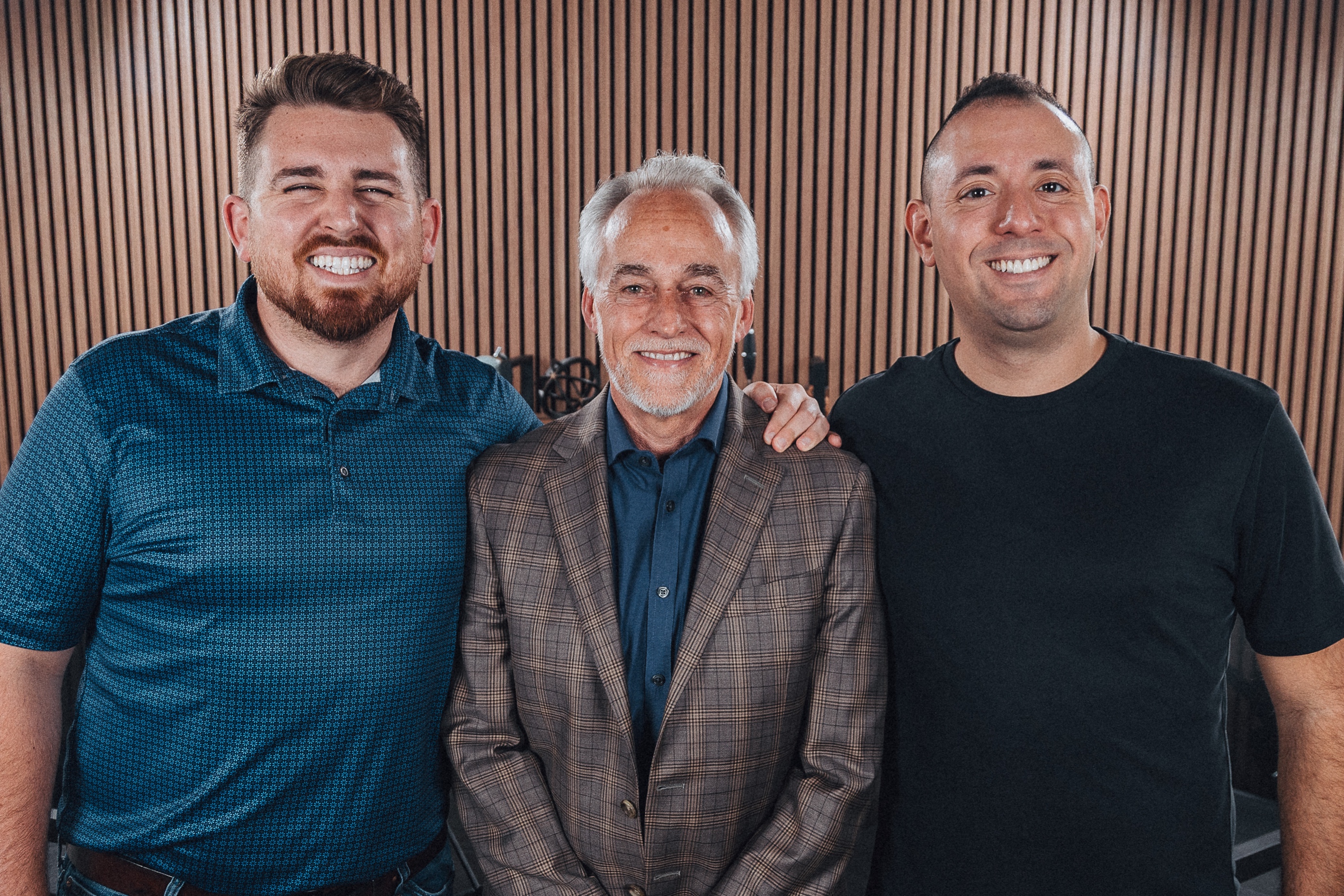
There’s a crisis most people aren’t talking about. Veterans come home… and everything changes. They go from structure, purpose, and brotherhood to confusion, isolation, and trying to figure life out on their own.
And the results are devastating. 21 veterans a day take their own lives.
In this episode, Brett Miller breaks down what’s really happening and why so many traditional solutions fall short.
They suffer PTSD, toxic exposure, loss of identity, and unresolved experiences from combat.
Brett shares how battlefield contaminants, medications, and stress can stay locked in the body, affecting mental health, behavior, and even memory.
And more importantly, what can actually be done about it.
He’s spent decades focused on one mission: helping veterans recover and rebuild their lives.
This episode covers:
- Why many veterans reject drug-based treatments
- The hidden impact of toxins and battlefield exposure
- What Gulf War illness is and why it went ignored for years
- How detox protocols and holistic approaches are changing outcomes
- The real reason transitioning out of the military is so difficult
- Practical solutions that are actually helping veterans regain control
If you’ve served, know someone who has, or want to understand what veterans are really dealing with after deployment, this conversation is a must-watch.
Are you curious about yourself? 👉 Take a personality test: https://ddnpod.com/test
Watch the full episode here:
Audio Version:
Apple Podcast:
https://podcasts.apple.com/us/podcast/dont-do-nothing-podcast/id1846609884?i=1000763108066
Text Version
[00:00:00] Aaron: There’s a, there’s a staggering number of veterans every day that take their lives 21 per day. Yeah.
[00:00:03] Brett: Most veterans I know do not want to take drugs. Treatment protocol. They used to help those guys involved a sauna nutrient therapy. One of the very first firefighters that went through was leaning up against the white towel and when he leaned forward, the towel was purple and it tested positive for the heavy metal.
[00:00:20] Brett: If you have battlefield contaminants, drugs, or toxins in your body, it tends to stick you in time when you were exposed to those things. Anybody in combat has likely been placed in a situation where there was no good solution. 5% of the US population
[00:00:35] Brad: one
[00:00:36] Brett: or veterans.
[00:00:36] Brad: Okay. Welcome. Today guys, we have an incredible guest who we’ve had booked for quite some time, which we’re very excited.
[00:00:43] Brad: Interview. Uh, today we have Brett Miller. He’s a US Army veteran. He actually flew kis, which are the little small helicopters that don’t fly anymore. They’ve been replaced by drones, unfortunately. But they were a super fun helicopter to fly, uh, since, uh, he. [00:01:00] Uh, basically exited active duty Army service.
[00:01:04] Brad: He’s been advocating for veterans for the last 20 years. That has included setting up seven locations, which we’re delivering a detox program based on the purification program to veterans to help them deal with all a slew of things that you deal with after being deployed, coming outta the service. He also, the, that, that work also resulted in two peer reviewed studies, which is a huge deal.
[00:01:31] Brad: Uh, one was published in the International Journal of Environmental Health. One was published in the Journal of Military Science. He’s also a founding member of the Bay Pines, uh, community Veterans Engagement Board. And he, uh, is also, he’s been married for 31 years. He’s a proud, highly contributing member of the Clearwater community.
[00:01:52] Brad: Mr. Brett Miller, very happy to have you here today. That’s probably the most official. Uh, [00:02:00] sounding ’cause it is intro we’ve ever been honored to give somebody.
[00:02:03] Brett: Oh my apologies.
[00:02:04] Brad: So welcome.
[00:02:05] Brett: Thank you.
[00:02:05] Brad: Yeah. How dare you do so much and such important stuff.
[00:02:10] Brett: Yeah.
[00:02:10] Brad: Okay. So I, I’d love to know, you know, in hearing your, I keep wanting to call it a wrap sheet that keeps coming to mind in hearing your rap sheet rattled off.
[00:02:20] Brad: Where do you wanna start in telling us about what you’ve been doing and just kind of the work that you do? ’cause Aaron and I are super interested in it. We’ve been to briefings where we’ve gotten, I think we’ve listened to talk for like two hours at a time on just the amazing things that you’re doing in helping veterans.
[00:02:34] Brad: Where, where do you wanna start?
[00:02:37] Brett: Um, well we could start with, uh, I guess what led me down this path and that’d be good. Uh, you’d have to go back about, oh, I don’t know, 25 years or so for that. Um, I had a nice career as a management consultant. I’m semi, I retired these days, uh, spend most of my time working on veteran cause.
[00:02:56] Brett: But this was after nine 11 and I was [00:03:00] part of an advisory board for an international nonprofit that was helping first responders in New York City.
[00:03:07] Brad: Yeah.
[00:03:07] Brett: And the treatment protocol they used to help those guys involved a sauna, sauna nutrient therapy, uh, vitamin B three, niacin being the key ingredient. Uh, niacin has a lot of unique properties, one of which is it causes fat stored toxics to be released back into the bloodstream.
[00:03:26] Brett: And then we basically use as sauna to accelerate the body’s natural elimination process. So I saw phenomenal results up there. There were over a thousand first responders and sanitation workers actually that, uh. Uh,
[00:03:42] Brad: oh. I never thought about the same thing. I mean,
[00:03:44] Brett: that’s
[00:03:44] Brad: a
[00:03:44] Brett: very toxic job right there.
[00:03:45] Brad: Yeah.
[00:03:46] Brad: Yeah. And cleaning up the, like the debris after nine 11, I’ve never thought about the guys that’d have to clean it up.
[00:03:51] Brett: Yeah.
[00:03:51] Brad: Mm.
[00:03:52] Brett: But you think about when the towers came down, um, everything that was in them basically got super heated and turned into an aerosol Yeah. And was [00:04:00] spread throughout the air. Yeah.
[00:04:02] Brad: Yeah.
[00:04:02] Brett: And people breathe that in and it stores in the fatty tissue of the body because that’s how the body protects itself when it’s exposed to a poison.
[00:04:09] Brad: Mm-hmm.
[00:04:10] Brett: So, anyway, uh, I saw the amazing results from that. Guys would walk in on, uh, taking multiple medications and walk out, not taking any, because they removed the, the, uh, poison from their body, if you will.
[00:04:24] Brad: I, I, I want to stick on that for a second. I think that’s so unreal to people, um, that someone could actually have that benefit from a program that involves no drugs, uh, is based off of. Correct nutrients and vitamins and a sauna program. It’s, it sounds like un doesn’t, doesn’t it sound like if you cast yourself back, doesn’t it sound like a bit unbelievable?
[00:04:52] Brad: I mean, I’m just like, I find that when I talk to people about it, I, I have trouble conveying the [00:05:00] power of just this super simple regimen that maybe you do for a couple weeks and it’s, it’s like you have a whole new body at the end of it.
[00:05:08] Brett: Yeah. I, I suppose there was a, maybe a short period of time in my life where I perhaps had that viewpoint, but the more I learned about it, the more I understood the science behind the program.
[00:05:17] Brad: Yeah.
[00:05:18] Brett: You know, it’s, we get very accustomed to what we know right now. But you remember, uh, scientists were still winning Nobel Prizes in the 1930s for discovering vitamins. Oh, wow. And we take vitamins for granted. Oh my gosh. But literally, they were being awarded Nobel Prizes for discovering a vitamin.
[00:05:37] Brad: Wow.
[00:05:38] Brett: In the 1930s. So in 1950, uh, there were a couple of guys doing research on vitamin B three niacin in particular. Uh, El Ron Hubbard was one of those two guys. The other was a psychiatrist. Um, the psychiatrist was actually claiming to cure schizophrenia with niacin at the time.
[00:05:56] Brad: Wow.
[00:05:57] Brett: Interestingly enough.
[00:05:58] Brett: Um, [00:06:00] but what was discovered was that Niacin has this unique property of causing, uh, fat cells to kind of release their contents back into the bloodstream. Uh, years later, there’s a Swedish researcher by the name of Carlson that did a lot of work studying, uh, kind of a dose response relationship between niacin and various chemicals in the body.
[00:06:21] Brett: And what he found was that you get kind of two phenomena going on. You have little receptor sites so that a very low dose of a poison or toxin, or in the case of, uh, military personnel, battlefield contaminants
[00:06:35] Brad: mm,
[00:06:35] Brett: can occupy one of those receptor sites and produce adverse symptoms without having kind of a, an overloading dose of that particular toxic substance.
[00:06:46] Brett: And so you get these really wild dose response curves where you might get, uh, a symptom that shows up with a very low dose and then it goes away as the dose increases because it kind of Oh, that’s weird. Overwhelms the, uh, the cells. [00:07:00] And then you get more of a, a linear dose response curve to where you increase the dose, you get a greater adverse symptom.
[00:07:07] Brad: Yeah.
[00:07:07] Brett: But anyway, you get all these wild curves based on different chemicals and different receptor sites in the body. Um, but what it was standard was that niacin causes these chemicals all to be released back into the bloodstream.
[00:07:19] Brad: Hmm.
[00:07:20] Brett: And the sauna essentially, uh, is their,
[00:07:23] Brad: which sounds like a bad thing if you don’t know how to get ’em out,
[00:07:26] Brett: right?
[00:07:26] Brett: Yeah. So the reason we use the sauna is ’cause if I were to release these chemicals, and mind you, they’re the metabolites of those chemicals that are stored in the body. ’cause your body changes it in whatever way it can in order to protect the body. Mm-hmm. And then they store it in the fat. But if we just had you take niacin and then you went home, uh, you might not feel well for a while.
[00:07:48] Brett: So we want to get that whatever’s coming out of these fat cells, we want to get it out of the body. Hmm. Um, and there are a whole host of flanking vitamins, minerals, and oils. ’cause as you guys probably [00:08:00] know, vitamins operate synergistically. You can take too much of one vitamin and it creates an artificial deficiency of another vitamin.
[00:08:07] Brett: Mm-hmm. So you have to, uh, do this in a very regimented, standard way so that, uh, as you increase the dose of niacin, you increase the other vitamins that you’re taking as well, not to create artificial deficiencies.
[00:08:21] Aaron: Yeah.
[00:08:22] Brett: Um, and so anyway, you know, that program was running for the New York rescue workers and, uh, and
[00:08:28] Aaron: what was your role in that?
[00:08:29] Brett: Yeah, I was on the advisory board for the nonprofit that was overseeing that. Um, I had the good fortune of meeting one of the early researchers on Gulf War illness. This was at a symposium in Hunter College in New York City. And, um, I guess this would’ve been the early two thousands sometimes. So it was still fairly, fairly recent.
[00:08:53] Brett: Um, and it looked like that the Sauna program held promise [00:09:00] for treating this condition. And so, uh, for better or worse, I decided to take this on as a project. And, uh, I, uh,
[00:09:09] Aaron: and, and if we pause for a second. Mm-hmm.
[00:09:10] Brett: So
[00:09:11] Aaron: there was a thousand people roughly, that went through this program, right. In New York, guys that were in, uh, such heavy, heavy intensity.
[00:09:18] Aaron: Had you interacted with them like one-on-one, talk to ’em, see, like, see what they were before, after. Do you have any, any particular like, uh, story from, from that of someone who went through that program?
[00:09:32] Brett: Sure. Well, I guess the most famous, um, situation there, there was one of the very first firefighters that went through who was leaning up against a white towel, uh, when he came out of the sauna.
[00:09:45] Brett: And when he leaned forward, the towel was purple. Okay. So we cut off a little corner of the towel and had it tested and it tested positive for the heavy metal antimony.
[00:09:58] Aaron: Mm.
[00:09:59] Brad: Wow. [00:10:00] I don’t even know what that is. Never heard of that
[00:10:01] Aaron: thing.
[00:10:01] Brett: No, me neither. Yeah. It, it’s a, it’s just a, a haven metal. Yeah. That was obviously part of some aspect of the towers that came down.
[00:10:08] Brett: Uh, but this was heavy metal that was coming out of his body as a result of doing this program.
[00:10:14] Brad: Wow. And it was purple on the towel.
[00:10:16] Brett: It was purple on the towel. Yeah. That’s got,
[00:10:18] Aaron: I’ve seen that picture. I think.
[00:10:19] Brett: Yeah.
[00:10:19] Aaron: It been great. I think I’ve seen that picture. Yeah. That’s why he’s saying it’s famous. I guess it’s been, I’ve seen some magazines.
[00:10:23] Brett: Yeah. Wow.
[00:10:24] Aaron: Um, did you talk to this guy? Like what was he like? Oh, like what’s the response when some something like that happens?
[00:10:29] Brett: Um, it is like, what’s that? Wow. That’s weird. You know, I bet that’s pretty typical on this program. You get, um, all kinds of things happening. So years later, um, I was working with physical therapists and health clubs.
[00:10:44] Brett: I set up seven different facilities around the country, basically just to treat chronic exposures, chronic long-term exposures. Uh, we put 112 people through at these seven locations, just kind of piloting this. This approach. Um, [00:11:00] interestingly enough, half of them, uh, chose to come off of a psychotropic medication to do the program.
[00:11:05] Aaron: Mm. Wow.
[00:11:06] Brett: Some of them had been on this medication for a long time. Um, we, we
[00:11:11] Aaron: you cannot do, like, is that ’cause you cannot start the program on the drug?
[00:11:15] Brett: Yeah. It’s an interesting phenomenon. So niacin, um, causes a hormone like substance to be released in the skin called prostaglandin D two.
[00:11:24] Aaron: Mm.
[00:11:24] Brett: And um, it’s part of what dilates the small capillaries and blood vessels that allow these particulate matters to be released.
[00:11:32] Brett: Um,
[00:11:33] Brad: that has to do with why you can get a bit of a flush.
[00:11:35] Brett: You get a flush and itchy sensation. Yeah. It’s from this little hormone like substance.
[00:11:39] Brad: Mm-hmm.
[00:11:39] Brett: And most of these, um, psychotropic meds block those chemicals. So you have Oh.
[00:11:46] Brad: So you don’t get the effect you
[00:11:47] Brett: need. You don’t get the effect at all. So basically the program doesn’t work because of these medications.
[00:11:52] Brett: And so if you’d like to get these substances out of your body. And these folks all chose to do this working with their [00:12:00] physicians, um, they decided to come off the medications. It was perfect timing. I’m gonna jump to the future and then come back. Yeah. Um, but we, we later did a study where we measured the mental health benefits of doing this program.
[00:12:14] Brett: Uh, this was funded by, uh, Congress. Uh, we were treating veterans from the first Gulf War, uh, the 1991 war in Kuwait. Um, of the two papers that were published, we had three universities, five different institutional review awards, as they’re called to oversee the study. Uh, these peer reviewed results showed that 16 of 19 mental health characteristics improved at a statistically significant level at a three month follow up for all 32 of these Gulf War vets that went through the program.
[00:12:45] Brett: Wow.
[00:12:45] Brad: Wow.
[00:12:46] Brett: Yeah. So, anger, depression, anxiety, all went down and stayed down. Memory, hand, eye coordination, reasoning skills, all came up and stayed up.
[00:12:57] Brad: The fact that it’s at a three month follow up is, is for [00:13:00] me, I think the most significant thing because there’s, you can have momentary, you know, you have a change of environment that alone can, can benefit somebody.
[00:13:08] Brad: But three months later they’re back in their normal routine, day-to-day environment, interacting with people they’re interacting with and they’re still retaining the benefits. I think for me that’s like, whoa.
[00:13:18] Brett: It’s pretty amazing. Yeah.
[00:13:19] Brad: Yeah.
[00:13:19] Brett: Well, if you think about it, so your brain is made up of about 50% fat, and fat loving toxics, battlefield, contaminants, poisons, addictive substances, whatever you want to describe it as, uh, really don’t care if they store in your brain or your belly.
[00:13:36] Brad: Yeah.
[00:13:36] Brett: And so we’re obviously, we’re not going to harvest, uh, spinal fluid and test it for toxins, but from an outcome-based approach, objectively. This study showed that, uh, you get significant and lasting mental health benefits from doing this program.
[00:13:52] Brad: Yeah,
[00:13:52] Aaron: it’s amazing. By the way, these studies will be available in the show notes.
[00:13:55] Aaron: Okay. There we go. All of you please Send it over and we’ll add that in so you guys can see it. Uh, [00:14:00] probably very few of you will read through it, but a lot of times these studies, you can go, you can check the conclusions, you can check some highlights, um, and they’ll be there. So, so check it out. And, and, and guys, this is why the show is called Don’t Do Nothing.
[00:14:13] Brad: Mm-hmm.
[00:14:14] Aaron: Because a lot of times people say, look, I’ve tried this many drugs, I’ve tried this, this, uh, this psychotropic this thing. I tried, blah, I tried, I don’t know. I tried exercise, I tried a bunch of stuff, and, um, my life is so terrible, whatever. So the key is to not give up.
[00:14:30] Brad: Mm-hmm.
[00:14:30] Aaron: And this is one thing you can kind of, uh, use to tackle, you know, have other, other things that haven’t worked, like you can give it a shot.
[00:14:38] Aaron: This, this program is available, uh, to people. And we’ll put that, we’ll put that link down below. There’s a study, and then we’ll also like, Hey, if you wanna find out more about the program, and that’s by the way, clear body, clear mind.
[00:14:48] Brett: Hmm.
[00:14:48] Aaron: So it’s called Clear Body, clear Mind, because your mind is gonna be more clear and your body’s gonna be more clear.
[00:14:53] Aaron: I mean, that’s according to these studies.
[00:14:56] Brett: Mm-hmm.
[00:14:57] Aaron: Is a fact. I mean mm-hmm. You think clear more clearly, [00:15:00] uh, response time, uh, memory, uh, and these things, these mental effects, uh, and, and conditions improve, uh, pretty much just standardly it’s going to happen, um, statistically to a lot of people that do this program.
[00:15:16] Aaron: And, uh, so it’s, I mean, I’m assuming that’s why the book is called Clear Body, clear Mind. I know you can’t talk why the book was called that way, but like, can we get into, into how this all started?
[00:15:26] Brett: Well, sure. So remember, as I said, Hubbard was doing some of the original research on niacin back in 1950.
[00:15:33] Aaron: Mm-hmm.
[00:15:33] Brett: Recognizing that this was only 15, 20 years after some of these vitamins had been discovered as vitamins. Very early research.
[00:15:41] Brad: Yeah. I wanna go back to that for a second. That I, I, you know, I think, uh, we look at, like, we have phones now, we have the internet, and it’s like the, the rapidity with which you can get information is so seemingly instantaneous and there’s such a volume of [00:16:00] information that exists in the world.
[00:16:01] Brad: I think there’s some stat, like the amount of inter the amount of information in the internet, like doubles every month or some, some insane, I don’t know what it is since ai, but it’s like going crazy. There’s this kind of like, even I get like this feeling of like, oh, we’ve known all these basic things forever, but like you just said, it’s not even been a hundred years since some basic vitamins were discovered to have existed.
[00:16:26] Brett: Right.
[00:16:28] Brad: Like,
[00:16:28] Brett: that’s
[00:16:29] Brad: intense. Yeah. The, the, uh, the kind of like assumption, it, it, it makes me think of like, uh, how. When it, when it comes to mental health, especially the amount of actual science based, like scientific method based research that’s been done is very limited. Very, very limited. What actually comes to the function of the human mind, right?
[00:16:53] Aaron: No. And, and the vitamins get lost. So there’s actually books. I’ve seen these, some of these books like yeah. In the sixties and seventies of like these [00:17:00] different vitamins. You do this and this regimen and you’ll have less anxiety or whatever. But those books
[00:17:06] Brad: mm-hmm.
[00:17:07] Aaron: Are not around, they’re not being pushed.
[00:17:09] Aaron: Instead you have the commercial saying, Hey, you have one solution.
[00:17:13] Brad: Yes.
[00:17:13] Aaron: Which is a, you know, a bottle of pills that, uh, that science is, uh, very dubious at best
[00:17:19] Brad: questionable.
[00:17:20] Aaron: Anyway, so I’ll put some, I wanna put a link down to, to, it shows you, it goes into some of those studies because these stu anyways, I don’t, I don’t wanna get too far into it.
[00:17:27] Aaron: Yeah. But the point is, let’s look into, into, is it possible these vitamins. Can do something without having side effects. Yep. You know what I mean?
[00:17:35] Brad: Mm-hmm.
[00:17:35] Aaron: Okay.
[00:17:36] Brad: Yeah, yeah. About that. Sorry. So back to clear body, clear mind, and how this all came about.
[00:17:41] Brett: Yeah. So, um, yeah. So I had this experience with the, with the New York Rescue Workers Program.
[00:17:48] Brett: I talked with some of the early researchers on Gulf Warrior illness and, uh, that led me to create a nonprofit and to launch into this program to try and treat our fellow veterans who had been exposed to [00:18:00] battlefield contaminants during the first Gulf War.
[00:18:03] Brad: Question, because I’m, I’m not actually super familiar with the history of the Gulf War.
[00:18:06] Brad: What, what did, was that, what was the situation that people were running into in terms of what contaminants had they run into in the Gulf War?
[00:18:13] Brett: Yeah, good question. So, to take you back in history just a little bit.
[00:18:16] Brad: Yeah,
[00:18:17] Brett: of course. The draft ended in 1973. The Vietnam War ended in 75. We had a couple of little forays into Panama and Granada.
[00:18:26] Brett: Between then and 1990, when we went into. Kick the Iraqis out of Kuwait.
[00:18:32] Brad: Mm.
[00:18:33] Brett: So we had had about a 15 year period where the United States military had not been engaged in a major conflict. It was mostly rangers, I think, that were doing both Panama and Granada.
[00:18:43] Brad: Mm.
[00:18:44] Brett: Um, and so when we went into Kuwait, it was the first war where we were using depleted uranium munitions.
[00:18:52] Brett: Now they’re not radioactive, but it’s like a heavy metal. It’s like lead poisoning. Mm-hmm. Yep. Right?
[00:18:56] Brad: Yep.
[00:18:57] Brett: Um, and again, just like with the antimony [00:19:00] example from New York, this stuff gets, uh, broken up into very small particles, and then you breathe it in, you get it on your hands, uh, you eat it with your sandwich.
[00:19:09] Brad: Yeah.
[00:19:09] Brett: That sort of thing. Oh,
[00:19:10] Brad: wow. Mm-hmm.
[00:19:11] Brett: Um, there was also a lot of particulate matter in the air from the oil, uh, oil well fires because we were, there were a lot of, uh, oil wells that were set on fire.
[00:19:21] Brad: Right,
[00:19:21] Brett: right, right. Yeah. Uh, as the Iraqis left Kuwait. And so, um, is
[00:19:25] Brad: that, is that not a joke? Not a joke. I remember seeing pictures of that in my, in my textbooks from high school.
[00:19:30] Brett: Yeah.
[00:19:30] Aaron: Who’s burning what, how, who’s burning what, who burns what?
[00:19:33] Brett: So you have all these oil whales in Kuwait.
[00:19:35] Aaron: Yeah.
[00:19:36] Brett: And, um, some of it I think was, uh, the fires were started just from normal battlefield operations. Mm. But also when the Iraqis left, they didn’t want the Kuwaiti’s or the Americans to have the oil, so they set the wells on fire.
[00:19:49] Brett: I
[00:19:49] Brad: got it. Mm-hmm.
[00:19:50] Brett: Okay. So you have that going on. Uh, you also have, we were concerned about nerve agents and, um,
[00:19:57] Brad: that was actually what I thought my initial, like, was it [00:20:00] mustard gas? That was the
[00:20:01] Brett: It was Senga. Yeah,
[00:20:02] Brad: senga. Okay.
[00:20:03] Brett: Which, yeah, basically same thing.
[00:20:05] Brad: Yeah.
[00:20:05] Brett: Um, and so we issued what are called nerve agent pretreatment pills, nap pills you’ve heard referred to, uh, chemically.
[00:20:14] Brett: It’s called pure asig. Bromide was the chemical bromide is a halogen, just like iodine is mm-hmm. On a periodic table. And the idea was you, what does
[00:20:22] Brad: that mean?
[00:20:23] Brett: What.
[00:20:24] Brad: Basically it, my understanding of what iodine does is like, um, they used to put iodine pills in, um, nuclear war shelters because if you take iodine, it can counteract the negative effects of a radioactive material because of the way that the, basically it comes down to the, the atomic structure of iodine basically cancels the nuclear particles that get shot off by a new, a nuclear, like a radioactive substance.
[00:20:53] Aaron: To keep it real simple,
[00:20:54] Brett: we add iodine to salt. Right.
[00:20:56] Aaron: So ho But so, so halogen means, it, it it counteracts. Atomic
[00:20:59] Brett: [00:21:00] halogen is a, a, there are, it’s
[00:21:01] Brad: a column on the pure,
[00:21:02] Brett: on periodic table. Okay. It’s a column on the periodic table. Um, and iodine, we add to salt because mm-hmm. It helps your thyroid. Your thyroid needs iodine to functions.
[00:21:10] Brett: Mm-hmm. The idea was we’d give you an iodine supplement, in this case, bromide, um, that would protect your thyroid should, should you be exposed to a nerve agent.
[00:21:18] Aaron: Okay.
[00:21:19] Brett: That was the idea behind it. There you go. But unfortunately, there were no dosing instructions given. Commanders were having their troops take these pills prophylactically as a preventative.
[00:21:28] Aaron: Mm-hmm. Mm-hmm.
[00:21:29] Brett: Um, and consequently we were producing thyroid disease.
[00:21:33] Brad: Does prophylactics just mean willy-nilly?
[00:21:35] Aaron: No, no. Prophylactic means you do it to prevent a disease as opposed to after you have the disease.
[00:21:39] Brad: Ah,
[00:21:40] Brett: thank you.
[00:21:41] Brad: Got it.
[00:21:41] Brett: Yeah. Got it. Yeah. Good. Good. Um,
[00:21:43] Brad: that’s my new word for the day. Prophylactic.
[00:21:45] Brett: Yeah. It makes you sound very smart or you’re a dentist because, uh, um, so you had all of these things going on later. There was a researcher in Boston that, um, [00:22:00] tracked wind patterns one day when we blew up an ammo dump, and we later learned this ammo dump contained nerve gas, air and gas.
[00:22:08] Brad: Mm.
[00:22:08] Brett: And she tracked the wind patterns and discovered that it correlated with the approximately 100,000 soldiers, uh, marines, uh, that were in the theater at the time.
[00:22:20] Brett: Who are now sick and symptomatic with Gulf War illness. So Gulf War illness appears to be a combination of all of these things in greater or lesser degree of each component.
[00:22:31] Brad: Oh, I just had a realization Gulf. Is Gulf War illness like a documented, like medical situation? Like is that a proper noun?
[00:22:38] Brett: As of October of last year, the, uh, Gulf War illness has its own diagnostic code in the medical coding.
[00:22:46] Brett: Oh, wow. Just finally as of October of last year.
[00:22:50] Aaron: Wow.
[00:22:50] Brad: Ah,
[00:22:51] Brett: yeah. So for many years, uh, these veterans were told that it was all in their head that there was no, uh, real illness going on, [00:23:00] that, um, what they were experiencing was not real.
[00:23:03] Brad: Yeah.
[00:23:03] Brett: Uh, but because of a couple of these researchers that I met back at Hunter College in the early two thousands, they continued on, uh, and kind of created this body of work to document these conditions.
[00:23:17] Brad: Hmm.
[00:23:18] Brett: Yeah.
[00:23:19] Brad: Wow.
[00:23:20] Brett: So very exciting.
[00:23:21] Brad: Yeah.
[00:23:23] Aaron: So now, so now, and, and, and now with this, with this, uh, uh, uh, uh, say diagnosis, medical diagnosis, um, and what do people do? They say, okay, now I have this,
[00:23:33] Brett: well, surprisingly there is, there has been no effective treatment developed, uh, over the last, what, uh, 35 years. Mm-hmm.
[00:23:42] Brett: Um, except that in that journal publication in the International Journal of Environmental Medicine, that, um, all 32 Gulf War vets that went through this program had their health improved approximately a third. So much so they no longer qualified as having a Gulf [00:24:00] War illness diagnosis.
[00:24:01] Brad: Wow.
[00:24:02] Brett: Very exciting.
[00:24:03] Brad: That is very exciting.
[00:24:04] Brett: Yeah,
[00:24:06] Brad: man. What, so basically. The, hopefully I don’t get shot for saying this. This program cures Gulf War illness.
[00:24:16] Brett: Uh, we never use the C word.
[00:24:18] Brad: Yeah, I know, but I can’t ’cause I’m not a doctor.
[00:24:23] Brad: No, I know.
[00:24:24] Brett: So I, I think accurately you can say Yeah. That this program correctly addresses what appears to be Yeah. Primary cause for this package of symptoms Yeah. That people experience from having served in that war.
[00:24:36] Brad: Yeah. Why, why is it that in, in current medicine, people don’t use the word cure anymore?
[00:24:45] Brett: Um,
[00:24:46] Brad: I it could be mis perception, it could be mis perception that they, that it was at once time, at one time used FDA.
[00:24:53] Brett: It’s more of a medical legal question, quite honestly. Yeah. Um, I mean, look, I am, I’ve dedicated my life [00:25:00] to helping and Brett, I know you’re not,
[00:25:01] Brad: not a doctor, but Yeah.
[00:25:02] Brett: Um, and uh, what I know is what I have a observed.
[00:25:07] Brett: Yeah. And what we’ve documented and what we’ve observed and document. It was a small trial. Uh, we need to do more. Yeah. Um, interestingly, we did harvest, uh, blood plasma from these veterans that went through the Gulf War, uh, treatment protocol here. And, um, we’re getting ready to analyze that blood plasma to show changes in the chemical composition from before and after, and then the three month follow up.
[00:25:34] Brett: So
[00:25:34] Brad: yeah,
[00:25:35] Brett: very excited about seeing the results from that for sure.
[00:25:38] Brad: And so what’s, what’s the acceptable sample size?
[00:25:42] Brett: Um, typically to have a statistically significant sample size, you need about 30 to 35.
[00:25:47] Brad: Oh, okay.
[00:25:47] Brett: As a minimum.
[00:25:48] Brad: Yeah.
[00:25:49] Brett: Yeah. It was a pilot trial, obviously. Um, you know, this was a $638,000 grant from Congress.
[00:25:57] Brad: Yeah.
[00:25:58] Brett: Uh, they had a program for [00:26:00] innovative treatment protocols to treat Gulfport illness. So we applied for that. This was managed by the Army Medical Research Command as one of the primary institutional review boards that oversaw this. It was perhaps the most difficult, arduous route we could have gone to document these results.
[00:26:17] Brad: Really.
[00:26:18] Brett: But now that we’re on the other side of it, it was not a bad thing.
[00:26:21] Brad: Yeah.
[00:26:22] Brett: But at the time, there were a few sleepless nights.
[00:26:26] Brad: Yeah, I can
[00:26:26] Aaron: imagine. And so let’s say this, this occurs right now, um, this war was relatively long, long while back. So the amount of people Right. It over time is gonna go down that has this particular, uh, package of symptoms, right.
[00:26:44] Aaron: Because that war is not happening again.
[00:26:46] Brett: Hmm.
[00:26:47] Aaron: But are there other wars that have similar kind of effects? Or is this like a very, just unique to this one time period?
[00:26:54] Brett: Yeah, good question. So, um, every war has its contaminants. Uh, Vietnam, [00:27:00] it was Agent Orange.
[00:27:00] Aaron: Mm-hmm.
[00:27:01] Brett: Um, Gulf War. It was these various things that we’ve talked about.
[00:27:06] Brett: Um, more recently you’ve probably heard of burn pits.
[00:27:09] Aaron: Hmm.
[00:27:10] Brett: So, uh, I don’t know if you had any experience with that, Brad, in your service, but, um, uh, when you’re in a battlefield environment, one way to get rid of stuff that you no longer need garbage, uh, you name it
[00:27:24] Aaron: mm-hmm.
[00:27:24] Brett: Is you have bulldozers dig big pits in the ground, and you throw everything in it.
[00:27:29] Brett: You throw a bunch of diesel fuel on it, and you light it and you burn it.
[00:27:32] Brad: Mm-hmm.
[00:27:33] Brett: And, um, sadly, I, I’ve, I’ve talked with a lot of folks that were exposed to contaminants as a result of burn pits. I put on that, uh, that pilot program I was telling you about. Uh, we put a number of veterans who had been exposed to burn pits through the sauna program as well.
[00:27:50] Brett: A great benefit I might add.
[00:27:52] Brad: Oh, wow.
[00:27:53] Brett: Um, but every war has its contaminants. Uh, a couple of years ago, I guess it is now, the VA passed what’s [00:28:00] called the PACT Act, PACT.
[00:28:02] Brad: Mm-hmm.
[00:28:03] Brett: The biggest expansion of veteran benefits in the history of the va. It was basically, uh, a screening for toxic exposures. Um, combined with increased benefits for those, uh, veterans who had positive screenings.
[00:28:18] Brett: So it’s been recognized as a, a common trait of any battlefield environment now as toxic exposures.
[00:28:25] Brad: Yeah. Okay. And so what, what is the, out outside of the, the Nutrient and Sauna program that we’re talking about, what are the other, like treatment options? Like what, what else do people, like, do veterans do who are, ’cause now, like now that it’s recognized that hey, there’s some sort of, um, I don’t say necessarily wanted, there’s some sort of deg degrading effect on the body mm-hmm.
[00:28:57] Brad: Of being exposed to these toxins. The VA [00:29:00] recognizes it. Typically when the VA recognizes something like that, then it’s like, okay, there has to then be a treatment that’s. You know, funded at that point. So what, like, what are they do, what are they doing with that? Like what’s the, what’s their solution to it currently?
[00:29:15] Brett: Um, again, I’m not familiar with all the protocols for treating that particular diagnosis, but generally speaking, the, the symptoms are treated as you would treat any other symptom. If you’re, um, if you have irritable bowel, for example, which is one of the symptoms, it’s treated as any other irritable bowel, uh, condition would be treated.
[00:29:35] Brett: Um, skin problems or another typical symptom from, from these exposures. So they get treated, you know, with standard medical practice.
[00:29:45] Brad: Yeah.
[00:29:45] Brett: Um, VA I think necessarily is a very conservative organization when it comes to medical treatment. Um, yeah,
[00:29:52] Brad: of course.
[00:29:54] Brett: Surprisingly though, there is, within the VA a program called the Whole Health Program, W-B-H-O-L-E, whole [00:30:00] Health, and it’s more of a holistic approach to healthcare.
[00:30:04] Brett: From the clinical side, it includes everything from chiropractic to acupuncture and yoga and tai chi and things of this nature. Then they have, um, mindfulness based therapies on the mental side of things. And most veterans I know do not want to take drugs. They, they’re particularly for mental health issues.
[00:30:23] Brett: Mm-hmm. Yeah. They, they’re, um, not interested in that. And so, uh, it, it, I think a positive change within the VA structure to kind of expand this whole health approach. Yeah. Holistic approach for veterans.
[00:30:35] Brad: It, it makes total sense that veterans wouldn’t want to take drugs, because if somebody identifies strongly with their service background as, as, as part of their identity, part of that identity is you, you’re re I’m gonna use kind of a bad word here.
[00:30:49] Brad: You’re ready for the piss test any Monday.
[00:30:50] Brett: Mm-hmm.
[00:30:51] Brad: You see, you’re not taking drugs on the weekend.
[00:30:53] Brett: Yeah.
[00:30:53] Brad: So if all of a sudden the solution, your problems that’s presented to you is a drug gonna gonna protect it. Yeah. That’s not like, that’s [00:31:00] just a basic part of being. And like for, for me being in the army is no drugs.
[00:31:04] Brad: If somebody does it, boom, they’re gone. It’s like, you know,
[00:31:07] Aaron: I’m gonna add something, Brad. So there was a, a, a documentary I saw recently, it’s called Hell or High Water. Uh, and it was a program for veterans where they actually, a person comes right after they’ve been in service and they go on on a sailing trip.
[00:31:22] Aaron: Now, sailing has been declining for, I don’t know how long, like it’s is a, is a declining thing. And these guys take these sail trips and it’s just like dudes only, uh, and they’re whatever, 3, 4, 5, 6 guys. And they’re,
[00:31:35] Brad: but they go like out,
[00:31:36] Aaron: they go out for weeks, dude, for weeks.
[00:31:38] Brad: Wow.
[00:31:39] Aaron: And this program has had amazing results with veterans.
[00:31:44] Aaron: So I, I wanna say that there’s a, there’s a staggering number of, um, veterans every day that take their lives. Um, I wanna say it’s like 20 per per day per day. 21 per day. Yeah. Um, from the people that have finished this program, uh, which I wanna say is over a hundred zero of them have taken their lives. [00:32:00] So it’s been, it’s been very good.
[00:32:02] Aaron: And, and a lot of ’em coming in there were like, it was about, they were about to or very close to, and then they got come to the program and it’s been very good. I mean, there’s, there’s some of these solutions that, that are out there. And so I’ll put the link to that below as well. Uh, but you might wanna watch that.
[00:32:15] Aaron: It’s pretty cool. I donated to that, to that organization. Um, sounds amazing. Like
[00:32:20] Brad: Yeah.
[00:32:20] Aaron: Going a ship. ’cause you know what? You go from combat life and I, I don’t have the experience for you guys to talk about, but you go back into this, like right now, like half the people don’t show up to work on time.
[00:32:31] Aaron: They’re, you know, kind of lazy doing it. And then it’s, it’s such a shift.
[00:32:36] Brad: Yeah.
[00:32:36] Aaron: So it’s almost like
[00:32:37] Brad: somebody says a mean word to them and they’re like,
[00:32:39] Aaron: yeah. For the rest. Right, right, right. So imagine you go out to the sailing thing and it’s like, almost like a transition. ’cause it’s not a battle. Mm-hmm.
[00:32:45] Aaron: It’s. You can’t just do nothing. You have to the bode in the thing Anyway, so you go, so there’s another an, there’s an answer for you that’s answer your question.
[00:32:52] Brett: Yeah.
[00:32:52] Aaron: So there you go.
[00:32:53] Brett: Well, this is a good chance to talk about another use for the Sauna program, and that’s with, um, addicted, uh, [00:33:00] individuals.
[00:33:00] Aaron: Mm.
[00:33:00] Brett: Oh
[00:33:01] Brad: yeah. So
[00:33:01] Brett: we’re running a scholarship program right now for veterans at a local, uh, holistic drug treatment program called Narconon.
[00:33:07] Aaron: Mm-hmm.
[00:33:08] Brad: Yeah.
[00:33:08] Brett: Uh, what’s fascinating to me, um, as it relates to suicide, many veterans are suffering from post-traumatic stress disorder. Mm-hmm. PTSD. So there is a questionnaire, uh, out of the Diagnostic and Statistical manual, uh, called the PCL five 20 questions.
[00:33:27] Brett: You answer the question zero to four based on severity of symptom or frequency of symptom. You have to list an incident at the top of the page documenting what is this thing that you’re reliving on a recurring basis.
[00:33:40] Brad: Wow.
[00:33:41] Brett: And so, um,
[00:33:42] Brad: I didn’t know that last part. Like I had heard about this. This is basically the, like the, I’m gonna use the caveman term for it, but it’s, do you have PTSD?
[00:33:51] Brad: And if yes, how bad is it? I didn’t know there was an incident at the top because like, I know people have taken this test. You write an incident at the top of that form.
[00:33:58] Brett: Yeah, top of the form. You have to [00:34:00] write down what is your worst incident, and then you answer the questions based on that incident. And if you score over 32 or 33, um,
[00:34:10] Brad: oh, you answer them based on that ins.
[00:34:12] Brad: Oh my gosh. I, I haven’t taken one, but I know people anyways.
[00:34:16] Brett: Wow. So if you score over 33, um, you’re then screened more fully for PTSD. But um, from what I’ve seen, if you score over 33, you’re probably gonna get A-P-T-S-D diagnosis. So, uh. With the NAR on program, uh, we’ve had two veterans complete so far on the scholarship program.
[00:34:38] Brett: The exchange is, we have ’em take this test and another test developed by the RAND Corporation called the Routine Outcome Monitoring Tool. It’s 36 questions, uh, standardized to the US average. So you can take it, you can take it, I can take it. We know how we rank in these eight categories for mental, for physical, relative to the US average.
[00:34:57] Aaron: Mm-hmm.
[00:34:58] Brett: Very valuable in that regards. [00:35:00] Widely accepted. Uh, just as a quick aside, we did this test on the New York Rescue workers and, uh, took the results of that and had a meaning at the Pentagon, uh, to talk about using this program to help returning combat vets back in 2010.
[00:35:16] Brad: Wow.
[00:35:17] Brett: So, I mean, to, to the point that it’s widely accepted.
[00:35:20] Brett: The first veteran, uh, when he went into the program scored 44 out of 80. He was over the threshold for PTSD. At completion, he scored 15.
[00:35:30] Aaron: Wow.
[00:35:31] Brett: The three month follow up, he scored 10.
[00:35:34] Aaron: Wow.
[00:35:35] Brett: Now, relative significance here.
[00:35:38] Brad: Yeah.
[00:35:39] Brett: Um, if you have a 10 point improvement, it’s considered clinically significant. He had a 34 point improvement over three months.
[00:35:48] Brett: His score is probably lower than mine at this point. Wow. Wow.
[00:35:53] Brad: Wow.
[00:35:55] Brett: The second veteran, uh, scored 52 on intake and, um, [00:36:00] 25 at completion. Wow.
[00:36:01] Brad: Wow. 27 points. Yeah,
[00:36:03] Brett: 27 points. Yeah. So I started looking
[00:36:07] Brad: how many point improvement. So there’s like, what, what is the 10 point improvement called stati? It’s, what is it?
[00:36:12] Brett: It’s clinically significant.
[00:36:13] Brad: Okay. Clinically significant.
[00:36:14] Brett: You get a 10 point improvement
[00:36:15] Brad: and that is like. 30 plus. Just like, is that like Miracle? Is that what it says on the record? Just asking.
[00:36:21] Brett: Sorry. It’s kind of like in the cure, uh, category of words, but, uh,
[00:36:27] Aaron: I know.
[00:36:28] Brett: Yeah. But that turned me on to the idea that perhaps the, the protocol that they follow here for these addicts can also be a treatment protocol for PTSD.
[00:36:39] Brett: And I started looking at, um, what exactly is being addressed with these different steps.
[00:36:44] Brad: So just to be clear, the, the, the People Thenar program on scholarship on the Narconon program, they’re going because of their addiction. They’re not a drug or alcohol addiction. They’re not going because of PTSD.
[00:36:54] Brett: Correct.
[00:36:55] Brad: All. You know what? Wow, I didn’t realize that. So the PTSD ts, the [00:37:00] fact that it is causing an improvement in that is basically. In addition to the fact that they’re coming off of drugs.
[00:37:07] Brett: Correct.
[00:37:08] Brad: Wow.
[00:37:09] Brett: Yeah, exactly. Um, so if you, I think
[00:37:12] Brad: they call that two birds with one stone.
[00:37:13] Brett: Yeah. Right. Well, uh, in the clinical world it’s called a dual diagnosis treatment center.
[00:37:20] Brett: Okay, got it. But NAR is not that. But I was curious, um, as to what impact we could have on, on these PTSD scores. And so I was able to convince folks to include this questionnaire as part of the intake. And smart, if you look at it, um, so if you have battlefield contaminants, drugs, or toxins in your body, it tends to stick you in time, uh, when you were exposed to those things.
[00:37:47] Brett: It’s like a, a biochemical, um, lock, if you will. Mm-hmm. Mm-hmm. On that point in time. And you tend to carry some of those adverse memories with you, and you’re [00:38:00] tired and hungry, and your body burns fat for. Guess what gets released back into the bloodstream. It’s whatever. You were exposed to the metabolites of those things.
[00:38:08] Brad: Mm-hmm. Yeah.
[00:38:09] Brett: And, um, you kinda get this regression that occurs in terms of your thought process.
[00:38:14] Brad: Yeah. Yeah. And people are already a bit, can be a bit on edge if they’re tired or hungry. You add in the metabolites from this earlier exposure and you just have a mess.
[00:38:26] Brett: Yeah,
[00:38:26] Brad: I can imagine.
[00:38:26] Brett: Exactly. Yeah. Yeah. I mean we all, those of us that serve, you know, we have two arms ’cause we only need one.
[00:38:33] Brett: Right. You know, it’s like we tend to, we tend to negate our own, um, disabilities. Yeah. ’cause we have to accomplish the mission.
[00:38:43] Brad: Yeah.
[00:38:43] Brett: But, um, what’s unique about this program is it eliminates whether it’s an addictive substance or it’s a battlefield contaminant, it eliminates that biochemical stimulator that causes adverse emotions and memories.
[00:38:59] Brad: Yeah. [00:39:00]
[00:39:00] Brett: And then the next step on the program are, uh, communication drills to really focus your attention on the here and now rather than on the past.
[00:39:11] Brad: Mm-hmm. ‘
[00:39:12] Brett: cause what tends to happen, what I’ve observed is that people will take these incidents that they’re reliving and some of them will be real. Some of ’em will be, um, a bit imaginative.
[00:39:23] Brett: They’ll kind of recreate the scene and combine it with their life experience since then, combine it with what’s going on now. And so you get into a situation where you think they’re there with you, but they’re not completely there with you. Yeah. They think they’re there with you, but a chunk of their attention is stuck
[00:39:40] Brad: mm-hmm.
[00:39:41] Brett: In the past. So after we remove the biochemical, uh, component of this regressive phenomenon, mentally, um, we get them really focused on the here and down. And that can take a little while, but the results are amazing. And, and you see, [00:40:00] you see their personalities blossom. I won’t say change. You see their personalities blossom.
[00:40:06] Brad: Yeah.
[00:40:07] Brett: Between these two things working together. Right?
[00:40:10] Brad: Yeah.
[00:40:10] Brett: Um, and then the last part of the program are life skills courses. And honestly, that’s where the major change occurs because they’ve now eliminated these barriers to actually improving and changing their life.
[00:40:24] Aaron: And the first is the, the Sonic Program, correct.
[00:40:26] Brett: Sona Program. Right. Um, so the the, you sit down and you write up a life history, uh, ’cause you want to get a list of everybody you’ve been connected to. And then we look at those people in your environment and we say there are 24 different characteristics that are reviewed, 12 social and 12 antisocial.
[00:40:49] Brett: You could argue there are more or less, but this is just a methodology that seems workable, right? Yeah. And we say, okay, brand’s. 11 social characteristics and [00:41:00] one antisocial. He’s a good guy, I’m gonna stay with it. Right.
[00:41:03] Aaron: You’re being very generous. I’ve got at least,
[00:41:07] Brett: um, but you sit down and you kind of dissect everybody you’re connected to, and usually what happens is there’s one or two people that you go, oh my God, they really don’t have my best interests at heart.
[00:41:18] Brad: Mm-hmm.
[00:41:19] Brett: I mean, for an addict it might be their drug dealer. Right,
[00:41:21] Brad: right, right, right. Oh
[00:41:23] Brett: yeah.
[00:41:24] Brad: Wow. Man, I never, they may not realize that, that you would, you would evaluate. Yeah.
[00:41:28] Brett: Right.
[00:41:28] Brad: Wow.
[00:41:29] Brett: Um, and so you kind of make a decision to, I mean, if it’s a family member, it’s, it’s like, okay, let’s figure out how I can get in communication with this person, how I can handle this relationship.
[00:41:39] Brett: So it’s a productive relationship, not a destructive relationship. Right?
[00:41:43] Brad: Mm-hmm. Yep.
[00:41:43] Brett: So the handlings are all done one-on-one, um, tailored to that particular individual.
[00:41:49] Brad: And if it’s a drug dealer, obviously, like, well, I’m not on drugs anymore, so, you know, let’s just delete that number outta the phone and move on.
[00:41:55] Brett: Exactly.
[00:41:56] Brad: Yeah,
[00:41:56] Brett: exactly. Um, the next [00:42:00] step, uh, addresses your values and, um, what we call in the military moral injury. So yeah. Anybody in combat has likely been placed in a situation where there was no good solution.
[00:42:16] Aaron: Wow.
[00:42:17] Brett: One example of that, um, a friend of mine, special forces Soldier, his moral code said, I am here to protect women and children.
[00:42:25] Brett: I will not harm women and children.
[00:42:27] Brad: Mm-hmm.
[00:42:27] Brett: And then one day in combat, he was faced with a woman pointing a gun at him, ready to kill it.
[00:42:33] Brad: Yeah.
[00:42:34] Brett: He had to take the action that he needed to take, but his attention has been completely stuck on that incident ever since.
[00:42:42] Brad: Mm-hmm.
[00:42:43] Brett: And, and if you’ve had one of these incidents, you generally have an anniversary date.
[00:42:49] Brett: That you celebrate if you will not celebrate, but every
[00:42:53] Brad: and celebrate in a destructive way.
[00:42:55] Brett: Yeah,
[00:42:55] Brad: yeah,
[00:42:56] Brett: yeah, yeah. Every year. Um, but on this, on [00:43:00] this next life skills course, you can write down, okay, what was my moral code in that situation? I was a soldier protecting my unit. I have wife and kids would’ve been not constructive for me to have died that day.
[00:43:14] Brad: Mm-hmm.
[00:43:14] Brett: Um, and they can begin to unravel the incidents that have been torturing them throughout their life since they occurred, but they can only unravel it because they’ve removed the biochemical aspect of this and because they’ve got their attention back on the here and now.
[00:43:32] Brad: Mm-hmm.
[00:43:32] Brett: So it’s like you can step away from it a little bit and take a look at it objectively.
[00:43:37] Brad: Mm-hmm. Yeah.
[00:43:38] Brett: Without being stuck in it.
[00:43:40] Brad: Mm-hmm. Yeah.
[00:43:40] Brett: And so, um, you spend some time on that step as well, clearing all these things up from your life, uh, whether it. Problems with family or friends, businesses, what have you. It doesn’t have to be a battlefield situation.
[00:43:54] Brad: Yeah.
[00:43:54] Brett: And then the final step, um, is, uh, kind of a, a programming step.
[00:43:59] Brett: How to [00:44:00] improve the conditions in your life. And you, you work out a battle plan, you know, okay, I need to make up some damage here, so how am I gonna do that? Um, uh, or I need to get a job. I need to start a business. How, how am I going to now progress in life and be a contributing member to society?
[00:44:17] Brad: Man, these guys have just gotta come out of this.
[00:44:19] Brad: I, because, you know, they’ve gotta come out of this really running like, and I mean that in a good way. Like it’s probably produces amazing results for veterans. ’cause the guys that I knew, so either, either at West Point or out at my unit, the guys who were the most just active just could get something done.
[00:44:37] Brad: People would follow them into the, through the gates of hell. You know, like those are the guys who you could see. I, I could even see at. 23 years old, you know, 22 years old, 21 years old. I could see the, the substance abuse tendencies already, like, like right there. Like they’re just walking that razor’s edge of like, if this guy loses his game, [00:45:00] he’s full on drug abuse.
[00:45:02] Brett: Mm-hmm.
[00:45:02] Brad: But those guys have so much ability. I mean, like it’s, uh, when you get one of those guys through this program, it’s gotta just be like, like they must feel like they’re just unleashing their potential that they’ve just been squandering for however long. Like, is that, is that
[00:45:22] Brett: totally yes. Is that what you’re saying?
[00:45:24] Brett: Yeah. So, so veteran number one was a special forces captain.
[00:45:27] Brad: Exactly.
[00:45:27] Brett: One of the first guys into Afghanistan
[00:45:29] Brad: for, for reference. In order to be a captain of the Special Forces, you have to be a certified bat. You can believe that if you need to, could be, but you have to like, the amount of the, the qualifications you need for that are extremely high.
[00:45:42] Brad: And the training is. Unreal. So sorry. Continue.
[00:45:45] Brett: Yeah, exactly. And, uh, sadly his unit was the victim of Friendly Fire. They had a 2000 pound bomb dropped on top of them.
[00:45:52] Brad: Wow.
[00:45:52] Brett: Uh, three of his, uh, unit members lost their lives that day. Uh, he was the only one of a couple of dozen that [00:46:00] wasn’t seriously injured.
[00:46:01] Brad: Wow.
[00:46:02] Brett: That day. Wow.
[00:46:03] Brad: Yeah.
[00:46:03] Brett: And, um, he basically began self-medicating after that. He tells a story, he says, yeah, I got to the point where, you know, I was a pretty good shot, but I got to the point where I had to have eight beers before I could go to the firing range and hold my hand steady. And I had been in and out of, uh, various treatment programs over the years, had been in and out of jail.
[00:46:28] Brett: And, um, the, uh, veterans treatment court here in Pinellas County referred him to the program. Mm-hmm. And today he’s the ethics officer at the Narcan.
[00:46:38] Brad: Wow.
[00:46:40] Brett: Doing great.
[00:46:41] Brad: That’s amazing.
[00:46:42] Brett: Yeah.
[00:46:44] Brad: What a win.
[00:46:44] Brett: Yeah.
[00:46:45] Brad: So how, Brett, how did you personally get on this, this journey of wanting to help other people? Because, uh, like basically from, from what I understand, this is essentially whole life is [00:47:00] dedicated to helping people at this point help, helping the part, the particular segment is veterans.
[00:47:07] Brett: Yeah. Right.
[00:47:08] Brad: But it’s, there’s a big segment
[00:47:10] Aaron: of society. No, it’s one out of how much, one out of 10, one
[00:47:12] Brett: out. It’s 5% of the US population, one out are veterans. Yeah. And then if you throw in family members, we’re looking at probably 20% of the households in the United States.
[00:47:21] Brad: Yeah.
[00:47:21] Brett: Yeah. So, um, so when I, when I accepted my commission, I, uh, I wanted to be an officer.
[00:47:30] Brett: That’s what I wanted to do with my life. So I, career I wanted and then, um. When I changed my mind about that after towards the end of my first tour of duty, um, I really didn’t lose that purpose of protecting and defending and, you know, duty, honor country to borrow a phrase from West Point. Right?
[00:47:52] Brad: Yeah.
[00:47:52] Brett: Um, and so for me, uh, spending my time doing this now I’m in a position in life where I can afford to, I [00:48:00] have the time to do it, um, is a way that I can fulfill my basic purpose when I accepted that commission to, um, to protect something bigger than myself, to, um, help others who have gone through a similar experience.
[00:48:16] Brett: Some much, much worse. Of course.
[00:48:18] Brad: Yeah.
[00:48:18] Brett: But, um, you know, if you’re in a position to help and you don’t, it’s almost worse than not being in a position to help.
[00:48:25] Brad: Yeah.
[00:48:26] Brett: Mm-hmm. Yeah. So that’s why I do it.
[00:48:27] Brad: That’s great. That, uh, it reminds me there’s, um. They say a man who can read and doesn’t is worse than the man who’s illiterate.
[00:48:37] Brett: Hmm.
[00:48:39] Brad: Yeah.
[00:48:40] Aaron: Okay.
[00:48:40] Brett: There you go.
[00:48:41] Aaron: Because you have the opportunity and you
[00:48:42] Brett: Yeah.
[00:48:43] Aaron: Let it go.
[00:48:43] Brad: Yeah.
[00:48:44] Aaron: And so, so Brett, like, I mean, we’re, we’re talking about I see also have the way to happiness there. So we have, there’s a lot of solutions here. Um, the, the Asana program developed by Albert Hubbard, we have Kinon, [00:49:00] which, uh, a lot of that study there is based on works of a Hubbard.
[00:49:05] Aaron: Right. And what has been, how, what is your personal journey into like this field? Uh, how did you first hear about Lauren Hubbard and how did you get involved in this arena of social betterment?
[00:49:21] Brett: Thank you for asking that. Yeah. So, um, I guess the first book I read, uh, from Mr. Hubbard. Probably 32, 33 years ago at this point.
[00:49:34] Brad: Yeah.
[00:49:34] Brett: And um, that’s the short answer to your question. I read a book.
[00:49:38] Aaron: Mm-hmm.
[00:49:39] Brett: I read a book, but I also, um,
[00:49:41] Aaron: which, which book is that?
[00:49:43] Brett: Uh, the very first book I read was called New Slant on Life.
[00:49:46] Aaron: Mm.
[00:49:47] Brett: It’s a collection of short stories, short articles, if you will, about, um, tools for handling various aspects of life.
[00:49:54] Brad: Yeah.
[00:49:55] Brett: Right. Uh, I was selling medical devices at the [00:50:00] time, living in Nashville, Tennessee.
[00:50:02] Brad: Mm-hmm.
[00:50:03] Brett: And, um, a oral and maxillofacial this part of the face maxillofacial.
[00:50:10] Aaron: Wow.
[00:50:10] Brett: Uh, a surgeon, uh, was a good client of mine and, uh, he was a pilot. And I was a pilot and, um, I was in his conference room one day and he had.
[00:50:22] Brett: Chart up in the corner, and it had, um, different emotions on this chart. It was called the tone scale. Mm-hmm. The scale of emotional states or tones.
[00:50:31] Brad: Mm-hmm.
[00:50:32] Brett: And, um, my basic instinct at the time, I, I had just won Salesman of the Year, uh, for this company, a top salesman in the country.
[00:50:40] Brad: Nice.
[00:50:40] Brett: And, um, my basic instinct was if he’s interested in that, I’m interested in that.
[00:50:44] Brett: Mm-hmm. So we started talking about it and uh, uh, he was more than happy to share. And as a salesman, uh, I was looking at the tone scale of, okay, here’s the tool I can use to get him better communication with the folks I’m trying to help.
[00:50:59] Aaron: Mm-hmm. Mm-hmm. [00:51:00]
[00:51:00] Brad: Yeah.
[00:51:01] Brett: Obviously I have a product in its case, it was a very technical product in terms of surgery and various procedures, so I was interested and I wanted to learn more about it, and that’s kind of what launched me down this path.
[00:51:14] Brett: Of learning more about it. I’d kind of plateaued in my sales at the time and I was trying to figure out what else, what other tools are available for me that I could use to, uh, continue to grow my territory and do well. This was one of those very useful tools.
[00:51:29] Brad: Yeah.
[00:51:30] Aaron: Wow. Where, where was we located? What area is this again?
[00:51:33] Brett: I was in Nashville, Tennessee. Nashville, right in Nashville, yeah. Tennessee and Kentucky. I had two whole states was my territory at the time. Oh, wow. So, um, shortly after that I was promoted to, uh, director of marketing. The company was based here in Florida. Mm-hmm. That’s what brought me to Florida. And then, um, we were purchased by a larger corporation, an orthopedic manufacturing company that had worldwide distribution.
[00:51:56] Brett: And I had the opportunity to travel the world and set up an [00:52:00] international distribution network for, um, the specialty company that I was with. Uh, basically working with the orthopedics. Uh, company’s distribution network around the world. So I spent a couple of years on a plane to a different country about every three weeks.
[00:52:14] Brett: That’s
[00:52:14] Brad: cool.
[00:52:14] Brett: Yeah. Yeah. It was a big deal. And I could buy a quarter milk and actually drink it before it went bad. ’cause I was at home traveling so much. Right. Yeah. Wow.
[00:52:24] Brad: And you did management consulting after that?
[00:52:26] Brett: Yeah. And then, um, towards the end of that, uh, I decided that, um, uh, I needed a, I wanted a little change in my life, so I started a consulting relationship with that company and just kind of expanded there and have worked with companies in a dozen different industries at this point over the years.
[00:52:46] Brad: Nice.
[00:52:46] Brett: Yeah.
[00:52:48] Brad: And, uh, what, I guess, what was the, like, what was the entry point into help? The, you said that the nine 11 program was the first, [00:53:00] I guess like, um, kinda like public help. Program that you’re involved in, what, what was your, what was your entry point to that? Like how did, how did you connect up with, with that program?
[00:53:13] Brett: Um, well, so this surgeon that we talked about with the, with the tone scale and whatnot, became a very good friend. And, um, interestingly enough, he was interested in, uh, the Kinon program at the time, and we flew in his, uh, an engine airplane from Nashville to Oklahoma and visited the flagship facility for Narconon.
[00:53:38] Brett: At the time, it was at a place called She Laco.
[00:53:41] Aaron: Mm.
[00:53:41] Brett: And I went to a graduation and saw the amazing changes that had occurred in folks. And so as a result of that, I was introduced to executives at, um, parent nonprofit for NAR on, called Able the Association for Better Living and Education.
[00:53:57] Aaron: Mm-hmm.
[00:53:57] Brett: And, uh, then after nine 11 [00:54:00] happened, um.
[00:54:01] Brett: I had moved, I had moved to Florida at this point. And, uh, one thing led to another, and I don’t remember the precise details on how I ended up on this advisory board, but I did. And, um, and then from there I met some folks at this Hunter College symposium in New York, and the path was laid out before me.
[00:54:21] Brad: Got it. Okay. That makes total sense.
[00:54:23] Brett: Yeah.
[00:54:23] Brad: And you know, in the, I’ve, I’ve had some interaction with, with Narcan on here, and I’ve, uh, gotta talk to many people who’ve been through the program. What, uh, and obviously you laid out kind of what people go through in the program as, uh, you know, somebody who, like, I, I grew up in a pretty, you know, like not.
[00:54:48] Brad: Super great community. My parents, my, my household was, was great, but the community they were in was very poor. There was a lot of drug use. Um, my parents kind of shielded me from it at the time, but having seen people [00:55:00] who go through that, especially then in my teenage years, you’re like, oh, whoa, these people are all doing drugs around me and seeing what that leads to down the road.
[00:55:08] Brad: Right? It’s kind of like people who go into, into the military, they get to, they get to skip a lot of that, which I think is actually one of the major benefits of going into the military today. Like, which is why I would, I would, um, you know, I had a similar experience to where at a certain point I decided that, you know, I, I wasn’t, it was gonna be a career thing for me,
[00:55:30] Brett: right?
[00:55:30] Brad: And that led me down the path of myself getting out of active, active duty. Um, but, you know, I could see how people, after they did that little, the, the skip thing doesn’t necessarily. Help you if then you just go into drug use afterwards, you know? So when, uh, when I was introduced to the Kinon program, probably like only like two or three years ago now, I, it was, [00:56:00] it was almost like, um, I was actually a little bit frustrated when I heard about it because I was, I thought to myself, well, how did no one tell me about this sooner?
[00:56:08] Brett: Yeah.
[00:56:09] Brad: Because I had a friend who, uh, used to work for me back in 2021, who I, I probably found out about NAR actually, like found out what Narcan on is probably in 23 or 24. The dude overdosed late in 2022. This guy that used to work for me who, who was from the town where I grew up. So, you know, for me I was like, wow, I didn’t have a solution for that guy.
[00:56:30] Brad: ’cause I saw him go off the rails. He stopped working for me long before he overdosed because he just. Went on a bender and didn’t come to work one day.
[00:56:38] Brett: Oh.
[00:56:38] Brad: And it was just like, Hey, I can, this is, obviously this isn’t gonna work. You know, actually I gave him a shot and then he did it again. And then I was like, okay, now.
[00:56:44] Brad: But, um, you know what, I, I would, I would just, I’ve, I’ve seen the effects that it has on people. Um, you know, I, I think it would be great. What, [00:57:00] what would you say to somebody if they’re watching and they have a, a s uh, either like a, a veteran or someone in their life who’s struggling with addiction, especially on the veteran side, because it’s such a, you have such a hole in your life from the structure that you come out of.
[00:57:14] Brett: Mm-hmm.
[00:57:15] Brad: You know, the re what’s weird is the regimen of doing drugs daily. I, this is my personal opinion now. I think that kind of replaces the regimen of you get up and you do pt, you go to formation, you go to like, right.
[00:57:27] Brett: Mm-hmm.
[00:57:27] Brad: You get what I’m saying?
[00:57:28] Brett: Yeah.
[00:57:28] Brad: What would you say to somebody who is a, is have, has someone in their life that’s struggling with that currently?
[00:57:35] Brett: Um, I’d say, look, you have to address the root causes of addiction. Um, little trivia point, you, we’ve all heard of the 28 day program. Yeah. Uh, for drug treatment, it’s very common, shall we say. Um, at one point that was called the Air Force Program.
[00:57:53] Aaron: Hmm.
[00:57:54] Brett: Why 28 days? Why? What’s this magic number on 28 days
[00:57:58] Aaron: you get tested.
[00:57:59] Brett: [00:58:00] No. So
[00:58:01] Brad: I thought it was just what insurance would pay for
[00:58:03] Brett: in the military.
[00:58:04] Brad: Yeah.
[00:58:04] Brett: You know this, we get 30 days leave a year.
[00:58:07] Brad: Yeah.
[00:58:07] Brett: So you needed one day to route in and one day to route out. That left 28 days in between. That’s the science behind the 28 day program.
[00:58:15] Brad: I believe you. That makes total sense. That makes total, you can do it on the leave sense.
[00:58:19] Brett: Yeah. And none of the, none of the other treatment programs, whether it’s a, a drug replacement program like with methadone or suboxone or other substances to replace whatever you’re addicted to, none of them address. This body burden of addictive substances in your body.
[00:58:37] Brad: Mm.
[00:58:38] Brett: So they are inherently flawed in that when you are tired or hungry, you’re going to burn fat for energy and those substances are gonna get released back into your body.
[00:58:46] Brad: Mm-hmm.
[00:58:46] Brett: The metabolites of it.
[00:58:47] Brad: And, and now we’re talking about the, the drugs, not just, there’s, there’s the toxins, which we talked about a lot earlier, but also the same thing happens with drugs.
[00:58:55] Brett: Correct.
[00:58:55] Brad: Especially the psychoactive drugs.
[00:58:57] Brett: Yeah. Well, any which
[00:58:58] Brad: us all.
[00:58:58] Brett: Any really? Yeah.
[00:58:59] Brad: [00:59:00] Yeah. Yeah.
[00:59:00] Brett: Any,
[00:59:00] Brad: yeah.
[00:59:01] Brett: Um, and so, um, without, without the biochemical handling, you, you’re, you’re always going to have the potential for a relapse.
[00:59:12] Brett: I mean, you can overcome it, of course. Yeah. Nutrients, exercise, extroversion. You can overcome it. We’re not victims, but, um, if you want to address, it’s sitting
[00:59:23] Aaron: right there.
[00:59:24] Brett: Right?
[00:59:24] Brad: Mm-hmm. I
[00:59:25] Brett: mean, you, you have
[00:59:26] Brad: and overcoming it ties up so much of your attention,
[00:59:29] Brett: right?
[00:59:29] Brad: Like all your attention goes on to don’t
[00:59:31] Brett: Yeah.
[00:59:31] Brad: Like, you know. Yeah.
[00:59:33] Brett: And we know from that Gulf War illness study that just during the sauna program reduces anxiety, depression, and anger. And it increases memory, hand eye coordination and reasoning skills. We know that from a peer reviewed study, just from the sauna program. And so if you don’t have that component in a drug rehab program, um, you’re never addressing the root cause for [01:00:00] relapses.
[01:00:01] Brad: Yeah. Wow.
[01:00:04] Brett: It’s true. And mind you, I have never done a drug in my life. I’ve never smoked a joint. I’ve never had anything to do with an addictive substance.
[01:00:12] Brad: Yeah.
[01:00:13] Aaron: Nice.
[01:00:14] Brad: Good job.
[01:00:15] Brett: Well done. Well, thank you. Yeah. That’s not the point. But it is odd. Sometimes I find myself kind of in this area of life, but it’s really.
[01:00:24] Brett: Um, I, I guess it was an outgrowth of my efforts to help veterans and, uh, the battlefield contaminants and those sorts of
[01:00:32] Brad: things. Yeah.
[01:00:33] Aaron: And, and now, so this, this, this friend of yours, um, with the, the emotional tone scale on his wall
[01:00:40] Brett: mm-hmm.
[01:00:40] Aaron: Um, and I guess he shared with a book with you right? Called, uh, Scientology New Santa Life.
[01:00:44] Brett: Yeah.
[01:00:45] Aaron: And, uh, I’m assuming this guy was a Scientologist?
[01:00:48] Brett: He is.
[01:00:48] Aaron: He’s a Scientologist,
[01:00:49] Brett: yeah.
[01:00:49] Aaron: Okay. And I’m assuming that’s how you first learned about what Scientology is or,
[01:00:54] Brett: yeah, so just my own path there. Um, I guess as a caveat here, [01:01:00] so, um. In the same way that the Catholic Church has a group of businessmen called the Knights of Columbus to help businessmen do well.
[01:01:07] Brett: Mm-hmm. That has nothing to do with the Catholic religion. Yep.
[01:01:10] Brad: Yeah.
[01:01:11] Brett: In the same way that the Salvation Army runs the probation program mm-hmm. For county government.
[01:01:16] Brad: Yep.
[01:01:17] Brett: They obviously can’t proselytize as part of that.
[01:01:19] Brad: Mm-hmm.
[01:01:20] Brett: Yeah. Um, the Church of Scientology also has humanitarian programs that are not religious in nature
[01:01:25] Brad: mm-hmm.
[01:01:25] Brad: Mm-hmm.
[01:01:26] Brett: But are intended to improve the humanities, if you will.
[01:01:29] Brad: Mm-hmm.
[01:01:30] Brett: Yep. Um, case in point, there’s a local Catholic priest that does mass at the local Kinon every Tuesday night.
[01:01:37] Brad: Yeah.
[01:01:38] Brett: Uh, for some of the participants there. So, but for my personal journey, um, I, uh, uh, I initially did some, some life improvement courses, some life skills courses.
[01:01:53] Brett: Um, there’s a counseling program that’s tailored to address your most acute, um. [01:02:00] Needs at the moment. Uh, we refer to it as life repair.
[01:02:03] Aaron: Mm-hmm.
[01:02:04] Brett: So they do a little interview and they say, okay, what’s ruining your life? Basically? And then, and they put together a series, uh, a program if you will, where the, the counselor we call an auditor, uh, asks you questions to get you to look and find answers that maybe you’re unwilling to find on your own.
[01:02:22] Brett: And the whole idea, from my experience, the way the these counseling or auditing sessions work is, um, you’ve got a friend that’s helping you take a look at something, uh, that you’re unwilling to look at on your own. Mm-hmm. And I was also trained in engineering. Uh, and uh, what appealed to me was the DIS device that’s used in these counseling sessions.
[01:02:44] Brett: Uh, it’s called an E-meter.
[01:02:45] Aaron: Mm-hmm.
[01:02:47] Brett: And you know, in the sense that electrons have mass. Mm-hmm. Very small, but they have mass, this meter is, uh, very sensitive. It’s, it’s, uh, designed to pick up changes in mental mass.
[01:02:59] Aaron: Mm-hmm.
[01:02:59] Brett: When [01:03:00] you’re, when you’re looking at something that’s uncomfortable or painful or stressful or a loss.
[01:03:06] Brett: And so the whole process involves a very precise engineering like approach to you inspecting your own life in a way that you come out the other side more capable, more able, and with a better understanding. And that’s been my journey.
[01:03:24] Aaron: Amazing.
[01:03:24] Brad: That’s awesome.
[01:03:26] Brett: Yeah. That’s
[01:03:26] Aaron: brilliant.
[01:03:26] Brad: Yeah.
[01:03:27] Aaron: And, and through that path is then how you found out that Narconon existed or was it the other way around?
[01:03:34] Brett: Um, it was kind of concurrent, I guess as, as I was learning more about the tone scale and how to use it in life. And, uh, I went through, um, this life repair process if, if you will, and all of a sudden realized that these things that I thought were destroying my life were really. Relatively minor.
[01:03:56] Brett: Uh, and uh, again, it was about that time that I started [01:04:00] getting promoted again and setting up this international distribution network and really being more in control of my life. And, uh, because I was better able to control my own life, I had more attention to focus on other aspects of life.
[01:04:14] Aaron: Hmm.
[01:04:15] Brett: And that’s been a progression that’s occurred over the last 33 years.
[01:04:19] Brett: Um, because you know, if you’re, if you’re doing well personally, if your family is doing well, if the groups you’re part of are doing well, um, you have more attention to put out on other things. And that’s just objectively what my life has been.
[01:04:35] Brad: Yeah.
[01:04:36] Aaron: Amazing. Was there a any specific veteran friend that you’re like, man, I need to go help this guy?
[01:04:42] Brett: Hmm.
[01:04:42] Aaron: You know, like when you find out, like, or you just like, I’m gonna help everyone. It wasn’t specific. Like, man, I know a buddy, I’m gonna get this guy. Help him? Or, or like, have you had that experience or are you just like, you know what, I’m just gonna go and save the world more generally?
[01:04:55] Brett: Yeah. Well, um, so after I’d learned about the tone scale, I, I won Salesman of the year that [01:05:00] year.
[01:05:00] Brett: And, um,
[01:05:01] Brad: that’s awesome.
[01:05:03] Brett: And so I, I did a seminar at the national sales meeting on the tone scale and, uh, one of the other salesmen, so our company recruited exclusively from the military for the sales force. Oh, wow. Ian, every salesman was a former junior military officer.
[01:05:17] Aaron: Wow.
[01:05:18] Brad: Right.
[01:05:19] Brett: And, um, one of the missions we used to have in flying scouts was to put on,
[01:05:23] Brad: I’m sorry, I’m so curious.
[01:05:25] Brad: Did you get approached by head hunters when you were, when you were out processing, like, like recruiters?
[01:05:30] Brett: Uh, yes and no. So I started working on my, uh, departure from the military two years before I left. Yeah. Yeah. I got my master’s degree from the University, university of Southern California.
[01:05:40] Brad: Oh, okay.
[01:05:40] Brett: In systems management.
[01:05:42] Brett: Um, I, uh, worked with a recruiting firm. Was fairly exclusive. Yeah. But, so a week after I left active duty, so I left from Germany out, processed in Philadelphia at the time. Fort Dix. Yeah. Which is no longer there. [01:06:00] Um, a week later I was at a hiring conference in Austin, Texas interviewing with 16 companies in two days.
[01:06:07] Brad: Yeah. Well ’cause they, they just lined them up
[01:06:08] Brett: for you. Just lined them up. Yeah. Yeah. And um, you know, we got briefings on the guys we’re gonna be meeting with and, and all of this. Um, uh, after that weekend, I had 13 of those 16 that wanted to pursue.
[01:06:21] Brad: Mm-hmm.
[01:06:22] Brett: Wow. We do follow up interviews, so I did that for the next month and a half.
[01:06:25] Brad: This is when, when you’re an officer and you’re coming out, you basically just work with I. Head, head hunters. Yeah. Like a recruiting firm mm-hmm.
[01:06:34] Aaron: To get
[01:06:34] Brad: you job that specializes in placing veteran ex-military guys. And they just freaking line, it’s literally, they’re like, okay, here’s your 15 offers, which would you like?
[01:06:44] Brett: Wow.
[01:06:44] Brad: Basically, because they tee it up, they just tell you, they just write up the program and you just do Exactly. They know they have the whole thing lined up.
[01:06:51] Brett: Yeah.
[01:06:52] Brad: Obviously you have to be a likable, talented guy, but,
[01:06:55] Brett: so I ended up with three offers. Uh, I, I had an offer to be a research and development [01:07:00] engineer for Michelin Tire Company in Anderson, South Carolina.
[01:07:03] Brett: I had an offer with mobile chemical to sell plastic packaging products initially in Chicago. With, with that company you move around a lot and I had an offer from a small, uh, medical device company in Jacksonville, Florida, um, to be the 11th salesperson ever hired, and, uh, take over a territory. And so I remember sitting down in my hotel room one night going, okay, so what route do I want to take with my life here?
[01:07:30] Brett: It was an interesting experience, quite honestly, and I chose the medical device route because I have, um, I have two bachelor’s degrees and a master’s degree. Um, pretty technically trained. And I thought, well, if I take this technical sales job, it’ll gimme an opportunity to really develop my sales skills and marketing skills and, and that sort of thing.
[01:07:52] Brett: So I chose the sales job over the engineering job because I felt like it would help me further develop my personality and skillset, [01:08:00] and
[01:08:01] Brad: here you are.
[01:08:01] Aaron: Oh, it was a good choice.
[01:08:02] Brett: Yeah. Yeah,
[01:08:03] Aaron: I agree. Not a good choice.
[01:08:03] Brett: Yeah.
[01:08:06] Aaron: Um, okay. Now this is so, so what is, where do you put the most focus of your time? Because I mean, there’s Right, of course, there’s an program, there’s, uh, uh.
[01:08:18] Aaron: Getting more research and to show the results of the purification program, uh, outside of, um, uh, I mean, there’s a lot. There’s, there’s a whole thing there for war, uh, post-war. No, that’s the idea. Mm-hmm. It is, uh, for, for PTSD as a potential, uh, solution there potentially.
[01:08:37] Brett: Yeah.
[01:08:37] Aaron: Yeah. You have, um, the way the happiness books I see.
[01:08:40] Aaron: That you brought,
[01:08:41] Brett: yep.
[01:08:42] Aaron: So what, where, like, where do you focus a lot of your time or you just, or you just, Hey, whatever someone needs, I’ll bring ’em that. Or like
[01:08:49] Brett: Yeah. So, um, if we go back, if we come up into closer to present time mm-hmm. Shall we say?
[01:08:55] Brad: Yeah.
[01:08:55] Brett: So in 2015, uh, the VA secretary at the time was a guy named Bob [01:09:00] McDonald.
[01:09:00] Brett: Mm-hmm. West Point Gret.
[01:09:01] Brad: Yeah.
[01:09:02] Brett: And, um. There. The previous year there’d been a, an issue at the Phoenix VA with wait lists and there were veterans who had actually died waiting to see a doctor. And, uh, the wait list people were kind of recycled on these wait lists and their appointments were stretched out.
[01:09:20] Brett: So Secretary Secretary McDonald created these community veterans engagement boards at every VA medical center in the country. And there’s 140 of them. Uh, we were one of the first 10 that got created here in Pinellas County. Uh, it’s a 16 member board and we meet monthly with the CEO of the va. We also happen to have the largest regional benefits office in the country right here in St.
[01:09:43] Brett: Petersburg.
[01:09:44] Brad: Mm. Yeah.
[01:09:44] Brett: And we have a national cemetery. We’re one of only five locations in the country that have all three branches of the VA at one location.
[01:09:51] Brad: There’s a national cemetery in Pinellas County,
[01:09:53] Brett: uh, right at Bay Pines.
[01:09:54] Brad: Oh, wow.
[01:09:55] Brett: Yeah.
[01:09:56] Brad: And Bay Pine’s for, for reference, it serves the largest [01:10:00] number of veterans of any one VA facility.
[01:10:04] Brett: Uh, it’s in the top 10. Oh, okay. So it covers nine counties. Bay Pine’s. Well,
[01:10:08] Brad: yeah. Geez, no wonder.
[01:10:09] Brett: Um, healthcare system, it stretches down to Fort Myers, basically and out to Seabring. Yeah. So nine counties. Um, but Florida’s the number two highest population of veterans in the country. We just just passed, uh, California.
[01:10:22] Brett: Mm-hmm. Um, and Texas is number one.
[01:10:25] Brad: Mm.
[01:10:25] Brett: California, Texas and Florida, uh, make up about 25% of all veterans in the country.
[01:10:31] Aaron: Mm-hmm. Now,
[01:10:33] Brett: 11 of the top 50 counties for veteran population are here in Florida. Uh, so Hillsborough just across the bridge is number 11. Pinellas is the 22nd largest veteran populated county in the country.
[01:10:46] Aaron: Wow.
[01:10:46] Brad: A lot of veterans.
[01:10:47] Brett: So,
[01:10:47] Brad: yeah.
[01:10:48] Brett: So on this engagement board, um, our basic mission is to improve outcomes for veterans. And we spent a lot of time figuring out what that actually meant.
[01:10:56] Brad: Mm-hmm.
[01:10:57] Brett: Um, one of the first projects we [01:11:00] created was free legal counseling for veterans at the Bay Pines campus. Uh, wow. So we, we wanted to address what are called the social determinants of health.
[01:11:09] Brett: So when you have the, the, the clinical aspects, right. But like, if you look at addiction, that’s kind of the end of the line of a lot of things that came before it.
[01:11:18] Aaron: Mm-hmm. Right.
[01:11:19] Brett: So we want, we wanted to focus on the upstream issues. Things like housing, food insecurity, um, jobs, education, um, these sorts of things that you can actually do something about that if you don’t lead to addiction and suicides.
[01:11:35] Brad: Mm-hmm. ‘
[01:11:36] Brett: cause the suicide rate for veterans is much higher than for civilians.
[01:11:40] Brad: Yeah.
[01:11:40] Brett: Amongst women in particular. It’s about twice
[01:11:43] Brad: mm.
[01:11:43] Brett: The highest suicide. I
[01:11:45] Brad: didn’t know that.
[01:11:45] Brett: Yeah.
[01:11:46] Brad: Wow.
[01:11:47] Brett: And women are the fastest growing group of veterans today.
[01:11:50] Brad: Right, right.
[01:11:51] Brett: The highest suicide rate amongst veterans is during the first 12 months after separation.
[01:11:56] Brad: Yeah.
[01:11:56] Brett: Because for reasons I think you mentioned Brad, when [01:12:00] we’re in uniform, we have a purpose.
[01:12:02] Brad: Mm-hmm.
[01:12:03] Brett: Uh, at least to help the guy next to you, guy or gal next to you.
[01:12:06] Brad: Mm-hmm.
[01:12:07] Brett: Um, you have an identity. You know who to salute, who not to salute.
[01:12:11] Brad: Yeah.
[01:12:11] Brett: Um, and you have a, a sense of community. Mm-hmm. You know, you’re part of a unit.
[01:12:15] Brett: We learn about functioning as a team.
[01:12:17] Brad: Mm-hmm.
[01:12:18] Brett: One day you find yourself now out of uniform. You’re now a brand new veteran and you’re interacting with these people around you that don’t really speak the exact same language you speak. They don’t understand those funny words. You use, uh, the nomenclature from the military.
[01:12:35] Brett: Mm-hmm. Um, all of a sudden we go from being told where to be, when to be there. Mm-hmm. Housing’s provided, foods provided to, we gotta sort that out on our own. Our purpose goes from being willing to give our life for something bigger than ourselves, to paying rent, paying a mortgage.
[01:12:53] Aaron: Mm-hmm.
[01:12:54] Brett: Putting food on the table for the kids.
[01:12:56] Brett: Um, and so you get this big drop of [01:13:00] self-worth because your purpose goes from here to here. Um, you don’t know who to salute anymore. Matter of fact, people don’t salute anybody.
[01:13:13] Brad: Yeah. Yeah.
[01:13:14] Brett: Um, so there’s this kind of confusion of identity of like, who am I? Right?
[01:13:20] Brad: Yeah.
[01:13:20] Brett: And all of a sudden you’re on your own, uh, you’re no longer part of a group.
[01:13:25] Brad: Mm-hmm.
[01:13:26] Brett: And so you get this, this loss of purpose and identity and community that happens when you leave the military. I don’t know if you experienced that.
[01:13:33] Brett: I did. Even as an officer with
[01:13:35] Brad: Yeah.
[01:13:36] Brett: My employment path taped, uh, working with a company of former officers.
[01:13:40] Brad: Yeah.
[01:13:40] Brett: You know,
[01:13:41] Brad: interestingly for me, um, when, so I was, when I got out, um, it was at a time where the army was downsizing.
[01:13:49] Brett: Mm.
[01:13:49] Brad: So I was actually exited early. Honorable discharge was a fine, but I was exited early ’cause we were over strength on lieutenants.
[01:13:57] Brad: So I didn’t even get to do my, my platoon, [01:14:00] if that’ll make sense to you. I didn’t even get to do my platoon time as an infantry officer.
[01:14:02] Brett: Gotcha.
[01:14:03] Brad: So it, it, for me, it was a bit of a loss actually at that point. So I experienced it earlier when I, when I found out I’d be out processing and, uh, but yeah, totally.
[01:14:13] Brad: Yeah. It was like sense of purpose went to what am I gonna do today from Okay. PT at seven, da da da. Like, you know?
[01:14:21] Brett: Right.
[01:14:22] Brad: Yeah. For me, when the, when the structure went out, that was definitely a big loss.
[01:14:27] Brett: Yeah, exactly.
[01:14:28] Brad: Yeah.
[01:14:29] Brett: Exactly.
[01:14:29] Brad: Yeah.
[01:14:30] Brett: And then, um, the values change. I mean, in the military we have a code of conduct and, um, I remember my first, so when I left the military, I went to work for this medical device company.
[01:14:41] Brett: We went to a, a big medical show in San Francisco. And, um, I was still in the, uh, officer in a gentleman mode. And, uh, the guys I was working with had been out for a while and I was, I think shocked would be the appropriate word to see their ethics [01:15:00] level, their behavioral level, um, the amount of alcohol they drank.
[01:15:05] Brad: Mm-hmm. Yes.
[01:15:06] Brett: Uh, it was shocking to me. I almost quit mm-hmm. Afterwards. Mm-hmm. Uh, and so,
[01:15:12] Brad: oh. ’cause it was all veterans in the, in that job.
[01:15:14] Brett: In that job.
[01:15:15] Brad: Mm.
[01:15:15] Brett: But, um, you know, to me it was shocking that they had gone from having a certain code of conduct and then completely thrown that away in many cases. Not everybody.
[01:15:27] Brett: But I guess the, the group norm was definitely more in that mode.
[01:15:32] Brad: Yeah.
[01:15:32] Brett: And, uh, that was tough for me, but it reinforced the fact that values and finding a, a code of values as a civilian, as a veteran was very important. That ties into the suicide rate this way in that, um, the VA has identified seven primary risk factors for suicide.
[01:15:54] Brett: Okay. Two thirds of all veteran suicides are by handgun. So you, you kind of take that one outta the mix and we, we [01:16:00] do gun locks and, you know, a lot of things to separate ammo from your gun. So, so that you can add time to that moment
[01:16:07] Brad: Yeah.
[01:16:07] Brett: To try and prevent that from occurring. Um, three of the others are directly addressed by, uh, you mentioned the way to happiness.
[01:16:16] Brett: It’s a non-religious moral code. Uh, impulsivity being the big one, impulsivity, hopelessness, and relationship problems, or three of the other six. The other three relate to pain and sleeplessness and that sort of thing. Um, but we have found, uh, using, uh, this way to happiness as a counseling tool to be quite effective in calming down the environment.
[01:16:42] Brad: Mm-hmm. Mm-hmm.
[01:16:43] Brett: And here’s how we use the book. So, uh, this is Operation Warrior Hope. That was a suicide prevention effort that started here in Clearwater at an American Legion Post. Um, we tried a lot of different things and, and their, their suicide awareness training that Warrior Hope does [01:17:00] as well. So much of what happens in this arena is teaching people how to recognize suicide tendencies.
[01:17:07] Brett: Yeah. Teaching people how to look at someone in the eye and say, are you thinking of killing yourself? From my perspective, there’s not a lot of training on how do you address these social determinants of health. How do you address these things that lead somebody down the path? ‘
[01:17:20] Aaron: cause I mean, whether or not you discover that’s gonna happen tomorrow, the next day, I mean, what are you gonna do about it, I guess is what, A lot more important or relevant?
[01:17:27] Aaron: No. Yeah. I mean,
[01:17:28] Brett: typically the handling from there is to connect them with the VA and, uh, get ’em in the system. Okay. It’s typically the handling. Um, over half of the veteran suicides are from veterans that are not receiving, uh, healthcare at the va.
[01:17:43] Aaron: Mm-hmm.
[01:17:45] Brett: Interestingly enough. So you, you can do kind of acute interventions and, and break that impulsive moment.
[01:17:51] Brett: If, if you can break the first attempt, the chances of them making a second attempt are much smaller.
[01:17:57] Brad: Okay. Mm-hmm.
[01:17:58] Brett: So that’s kind of the [01:18:00] approach.
[01:18:00] Brad: Yeah.
[01:18:00] Brett: For us, um, we have found, and this started with an army ranger.
[01:18:05] Brad: Mm-hmm.
[01:18:05] Brett: Uh, E eight a year from retirement. He had been tired and hungry and, and was connected with somebody in his unit that was harassing him.
[01:18:14] Brett: And he had a little bit of a psychotic break. And, um, we helped counsel he and his family on his rights, uh, as he was in the military hospital in terms of, uh, what drugs he, he was required to take and those that he was not required to take.
[01:18:32] Brad: Yeah.
[01:18:32] Brett: Um, when he got out of the hospital, uh, we had him start doing a chapter a day in this book and then to the accountability point and then reporting in.
[01:18:43] Brad: Yeah.
[01:18:44] Brett: So he would read a chapter, like the first chapter is take care of yourself
[01:18:47] Brad: mm-hmm.
[01:18:48] Brett: Apropos for that particular situation.
[01:18:51] Brad: Yeah.
[01:18:51] Brett: Um, and then you’d have to then text or email, uh, what you got out of that chapter. And there’s a free [01:19:00] online course with videos that illustrate each one of these precepts.
[01:19:03] Brett: Precepts of fancy word, which means principles for living.
[01:19:06] Brad: Mm-hmm.
[01:19:06] Yeah.
[01:19:06] Brett: Um. And, um, you then read the book and then you answer a few questions on how it applies to your life.
[01:19:13] Brad: Yeah.
[01:19:14] Brett: And, um,
[01:19:15] Aaron: you know, that course is, uh, the way to happiness.org is that where you take it
[01:19:18] Brett: the way to happiness.org? You can short circuit it and go to twt.org.
[01:19:22] Aaron: Oops. Oh man, you go, he got, he got me. Good.
[01:19:25] Brad: He’s usually the link guy.
[01:19:26] Brett: Yeah, yeah, yeah. Um, so again, this is a non-religious moral code. Mm-hmm. Um, interestingly enough, little aside, a friend of mine was the president of the Way to Happiness Foundation internationally, and he was traveling in Saudi Arabia many years ago, and he had a bunch of these booklets in his luggage, and of course when he went into Saudi there, they control what information comes into that country.
[01:19:52] Brad: Mm-hmm.
[01:19:52] Brett: So after sitting in a closet at the airport for a couple of hours, the agent came back to him and handed him his book back and said, [01:20:00] uh, his last name happened to be Miller as well. He said, Mr. Miller. We think Allah would be pleased with your materials. You may go,
[01:20:06] Brad: wow. Wow. That’s amazing.
[01:20:09] Brett: Right. Um,
[01:20:11] Brad: it’s a universal truth in there.
[01:20:13] Brett: Universal truth. And, and mind you, some people confuse morals with, um, religious teachings. Mm-hmm. But, you know, as a fundamental society, we’ve had a moral code of existence for a long time.
[01:20:25] Aaron: Mm-hmm.
[01:20:25] Brad: Yeah.
[01:20:26] Brett: And, um, things like take care of yourself, uh, safeguard and improve the environment. Don’t do anything illegal.
[01:20:33] Brett: Do not murder. Yeah. That’s an interesting one for veterans, for the reasons I mentioned earlier. Mm-hmm. It’s like they separate the difference between killing and murder.
[01:20:40] Brad: Mm-hmm. Yeah.
[01:20:40] Brett: Right?
[01:20:41] Brad: Yeah.
[01:20:41] Brett: Um, but then the accountability part of this counseling is really, uh, what I think is the key, because you read a chapter, you watch the video, read a chapter, you answer a few questions, and then they’ll text me, well, this is what I got out of this, or I had this, uh, realization.
[01:20:59] Brett: Mm-hmm. Or, [01:21:00] you know, I. Been mad at my parents for 40 years and now I understand something I didn’t understand before.
[01:21:07] Brad: Yeah.
[01:21:07] Brett: Um, it also forces you as a mentor to apply these precepts to your life. Mm-hmm. Because then they’ll go, how do you apply it?
[01:21:15] Aaron: Mm-hmm.
[01:21:16] Brett: Well, or what do you think of this? It makes for some very interesting discussions.
[01:21:21] Aaron: Yeah.
[01:21:22] Brett: Right. So over the course of about three to four weeks, we work through the course doing at least one precept a day. Um, and then under precept 20, lemme just turn it open here. Uh, try to treat others as you would want them to treat you.
[01:21:36] Brad: Yeah.
[01:21:37] Brett: The golden rule, right. There’s a list of 20 virtues, virtues or ideal qualities of human conduct.
[01:21:43] Brad: Mm-hmm.
[01:21:44] Brett: And the idea is that, um, by practicing these virtues and how you respond and treat others. Through reciprocal conduct, they will treat you the same way.
[01:21:55] Aaron: Mm-hmm. Mm-hmm.
[01:21:56] Brett: So I’ve seen this happen. We have them intentionally do [01:22:00] one virtue a day for 20 days.
[01:22:01] Aaron: Mm-hmm.
[01:22:02] Brett: And if I treat you with respect and tolerance and integrity and honesty, you tend to reciprocate.
[01:22:09] Brad: Mm-hmm.
[01:22:09] Brett: And now for the first time since I’ve left the military, I can begin to influence the behavior of people around me in a positive way.
[01:22:16] Brad: Mm. Wow.
[01:22:18] Brett: Where I’m not just the effect of these crazy civilians that speak, don’t speak my language, and they tend to not have any value from my perspective. Right?
[01:22:28] Brad: Yeah.
[01:22:28] Brett: So rather than degrade myself into a, a lower set of values, um, I can upgrade the folks around me into a higher set of values.
[01:22:39] Aaron: Wow.
[01:22:40] Brad: Yeah. You’re putting that cause over their environment.
[01:22:42] Brett: Yeah. Simply by practicing these virtues for the folks around me now, what surprised me the most was that, um, people would find.
[01:22:52] Brett: Others in their environment who would not reciprocate, and all of a sudden these are the toxic personalities around you that you had not spotted [01:23:00] before.
[01:23:00] Aaron: Mm-hmm.
[01:23:01] Brett: But if I’m treating you with self-respect and tolerance and I get something else back, all of a sudden I realize that maybe I shouldn’t be hanging out with this person.
[01:23:11] Aaron: Mm-hmm. Wow.
[01:23:12] Brett: And so you get that added benefit of applying these precepts to your life to improve your life outta your families. Uh, but then you also tend to disconnect from the toxic personalities in your environment.
[01:23:23] Brad: Yeah.
[01:23:24] Brett: So we have seen this to be an amazing tool in the toolkit, one of many to help prevent veteran suicide.
[01:23:32] Brett: And, um, warrior Hope was created to do that. It’s a local nonprofit. One of the beautiful things about this book is that, uh, nonprofits can put their own logo and, and mock up their own covers.
[01:23:45] Aaron: Mm-hmm.
[01:23:45] Brett: Uh, one of the more interesting examples of this. Is this one right here. So it’s called Next Mission.
[01:23:52] Aaron: Mm-hmm.
[01:23:53] Brett: Yeah. You notice one book is in English.
[01:23:55] Brad: Mm-hmm.
[01:23:55] Brett: The other’s got a bunch of squiggly lines on it. But those squiggly [01:24:00] lines is actually, uh, a version of Farsi called Dari, DARI, Dari Farsi. And that’s the language they speak in Afghanistan.
[01:24:08] Brad: Yeah.
[01:24:08] Brett: I’m told, uh, it’s related.
[01:24:10] Brad: Is the whole, is the whole thing.
[01:24:11] Brad: The
[01:24:12] Brett: whole thing. Oh,
[01:24:12] Brad: yeah. Yeah. Wow.
[01:24:13] Brett: So this book’s been translated into 119 languages, over 145 million copies. It’s been around about 40 years. Um, I think what’s unique for what we’re doing is basically using it as a counseling tool. Yeah. Um, but the Afghan army created a female tactical platoon because, um, when our special forces and rangers would go out into the villages, the Afghan women wouldn’t talk to them because culturally and part of the sheer religion that was forbidden.
[01:24:47] Brett: And so there was a US Special Forces Staff Sergeant Female that served as a cultural, uh, support team member that worked with this platoon of Afghan women who [01:25:00] trained with the US Army Rangers outside of Kabul. And, um, it was very progressive for these Afghan women because recognize all their friends were still wearing scarves and
[01:25:11] Brad: Yeah,
[01:25:12] Brett: being in the home kind of thing.
[01:25:14] Brett: Uh, so when the Taliban took control again in Afghanistan, uh, these women had a death sentence placed on their head.
[01:25:22] Brad: Wow.
[01:25:22] Brett: Uh, these women went for 10 years on over 2000 missions. A ton of missions.
[01:25:27] Brad: Yeah.
[01:25:27] Brett: Wow. Um, interesting aside here. So they found that they couldn’t have the Afghan men at the weapons range the same day the women were there because the women were better shots.
[01:25:40] Brad: Oh my God, man.
[01:25:43] Brett: Yeah. You know, um. You know, the old saying Slow is smooth. Smooth. It’s fast.
[01:25:47] Brad: Yeah.
[01:25:48] Brett: Right.
[01:25:48] Brad: Yeah.
[01:25:49] Brett: And um, so 52 of these women now live in the United States and all across the country. And this nonprofit next mission was created to [01:26:00] support these women, help integrate them into, uh, United States culture.
[01:26:04] Brett: And, um, they have produced their own custom cover book here. This picture behind it was the actual road outside of their base in Kabul that they would go out marching on during their training, uh, during the day.
[01:26:18] Brad: Yeah.
[01:26:18] Brett: And so, uh, it had a lot of sentimental meaning for them. But we are, um, coaching the entire platoon through this course, uh, over the next several weeks.
[01:26:28] Brad: That’s
[01:26:28] Brett: awesome. And I’m very excited about that.
[01:26:31] Brad: Yeah.
[01:26:31] Brett: Amazing. Yeah. Uh, just other quick examples, um, this is Command Sergeant major retired Raymond Rodriguez, uh, silver Star winner nominated for Medal of Honor 2008 Inductee into the Ranger Hall of Fame. Over 1000 jumps out of a plane. This is First Sergeant Jason Belford, retired just a few years ago, uh, from the Ranger Regiment, also in the Ranger Hall of Fame, uh, lives in Alabama now.
[01:26:56] Brett: Yeah. Uh, he has his own custom cover as well.
[01:26:58] Brad: Yeah. [01:27:00]
[01:27:00] Brett: Um,
[01:27:02] Brad: and just a question. So the guys who have, who have their custom cover, is that because like he, so for example, Jason wants this to be gifted
[01:27:11] Brett: Correct.
[01:27:12] Brad: To, okay, good. Got it. So he’s basically kind of like sponsoring a certain number of copies that he wants to then get into veteran hands.
[01:27:18] Brett: Yeah. So, uh, Rodriguez did a seminar last weekend and he signed 156 of his books that he handed out to the seminar attendees.
[01:27:28] Brad: Wow.
[01:27:28] Brett: He did the seminar on the way to Happiness.
[01:27:30] Brad: Wow. Where where did he do
[01:27:31] Brett: it? This is in Los Angeles. In la. Cool. Yeah. He spent most of his career as a Green Beret. Yeah. Uh, but it was also a Ranger inductee, uh, I think he was, uh, second bat, second battalion up in, uh, wow, Washington.
[01:27:43] Brett: Yeah. Um, this one’s kind of significant. You’ll, you’ll appreciate this, Brad.
[01:27:49] Brad: Yeah.
[01:27:49] Brett: So when you graduate ranger school, um, they pin the tab on your, on your shoulder. And, uh, this, this cover acknowledges that fact. There’s a [01:28:00] safety pin through the ranger tab. Yeah. ’cause that’s how it’s administered to you when you graduate Ranger school.
[01:28:04] Brad: Yeah. A little, little bobby pin.
[01:28:05] Brett: Yeah,
[01:28:06] yeah,
[01:28:06] Brad: yeah. Or whatever that is. Safety
[01:28:07] Brett: pin. Yeah. Safety pin. Right. Um, here’s a couple of interesting ones. Uh, so we do a, a, uh, purple heart recognition dinner. That was
[01:28:16] Brad: beautiful.
[01:28:16] Brett: Uh, every year here in Clearwater and we have for the last eight years. Uh, last year we had the, um, immediately passed National Commander for the Military Order of the Purple Heart as our keynote speaker.
[01:28:27] Brett: Before that we had the National President for the US Army Ranger Association as our keynote speaker. Uh, we had these books created. Um, these are a little nicer. There’s no staples or anything in ’em. These are professionally bound, uh, distributed to all the attendees. Uh, this year our guest speaker is going to be retired Lieutenant General Bob Kalan, who
[01:28:48] Brad: No way.
[01:28:49] Brad: Really
[01:28:49] Brett: Superintendent of West Point.
[01:28:51] Brad: Yeah. While I was there.
[01:28:52] Brett: Yeah.
[01:28:52] Brad: Yeah.
[01:28:52] Brett: So General Klan’s gonna be our keynote speaker this year.
[01:28:55] Brad: Well, then I’m coming for sure.
[01:28:55] Brett: Yeah.
[01:28:56] Brad: Oh yeah.
[01:28:57] Brett: He was also the last, uh, transition [01:29:00] commander in Iraq. So when, when we pulled out of Iraq, uh, general Austin was the commander. He was also a classmate of Bob Klan’s.
[01:29:08] Brad: Yeah.
[01:29:09] Brett: Um, he turned over the mission to General Kalan. Kalan wrote a book called The Impossible Mission that’s being published by the Command and General Staff College, which is a military, uh, university that trains, basically trains majors how to work for generals and be a battalion commander. As a lieutenant colonel.
[01:29:26] Brett: Um, at any rate, general LAN’s gonna be our speaker for that this year.
[01:29:30] Brad: Yeah.
[01:29:31] Brett: And then the last one I wanna show you, uh, we did up for an event down at Mar-a-Lago last year. So there’s a, a nonprofit group called We Fund the Blue. Uh, they support first responders and help clean up like water patrol areas and disaster sites and things of that nature.
[01:29:47] Brett: And, um, he had these books made up and distributed to the folks that attended this, his annual fundraising event at Mar-a-Lago last year.
[01:29:56] Brad: Wow.
[01:29:57] Brett: Amazing. So you, you can say there are a lot of different applications for [01:30:00] this, uh, in terms of making it your own and, and using it as a calling card, using it as a, a token or a gesture of goodwill.
[01:30:08] Brett: Um, we of course encourage everyone to use it, to read it, apply it to their own lives, use it to help those you care about.
[01:30:15] Brad: Yeah.
[01:30:16] Aaron: I just wanna comment one thing I love about the way to happiness, which is respect the religious beliefs of others.
[01:30:20] Brett: Mm-hmm.
[01:30:21] Aaron: And this is a, this is the only place that I. Where you can get moral teachings that are not religious.
[01:30:28] Brad: Yeah.
[01:30:28] Aaron: Which again, I, I value all religions and I think the vast, vast majority of them, if not all of ’em, have a great moral code.
[01:30:37] Brad: Mm-hmm.
[01:30:38] Aaron: Now people sometimes reject them because it’s religious and this case will not tell you anything about any, God will not tell you what to believe in. It will say, respect other people’s religious beliefs when they have them.
[01:30:50] Aaron: And then it’ll teach you morals that work for your life. So it’s, all religions can come together with one [01:31:00] idea that is like, be kind to each other, have, do the golden rule with each other.
[01:31:05] Brett: Mm-hmm.
[01:31:05] Aaron: And that’s honestly universally agreeable and acceptable because who doesn’t want to have more friendly, more productive, respectful people around them?
[01:31:15] Aaron: I mean, every, everybody who’s everybody actually.
[01:31:19] Brett: Yeah, exactly. Exactly. Yeah. Um, that was well said.
[01:31:24] Brad: Good job, Aaron.
[01:31:24] Aaron: Thank you.
[01:31:25] Brad: Pass.
[01:31:25] Aaron: Well, Brett, I appreciate you doing this. You’re, you’re bringing so much great work to people, to veterans who have put their life on their line and you are putting your life to help them.
[01:31:34] Aaron: That is so greatly appreciated. Thank you so much for coming on the show, and if you know anything from us, you know where to find us.
[01:31:40] Brett: Thank you very much for having me, guys. Thanks Brett. Yeah.
[01:31:42] Awesome.
[01:31:42] Brett: Okay.
Links mentioned in this episode:
https://www.narcononus.org/
What is Purification Rundown(Detox Program): https://www.scientology.org/faq/scientology-and-dianetics-auditing/what-is-the-purification-rundown.html
Follow us on other places:
https://www.instagram.com/dontdonothingpodcast/
https://www.facebook.com/DDNPod
https://www.tiktok.com/@dontdonothingpod
https://x.com/dontdonothing8
#scientology #dontdonothing #entrepreneurship #mindset #spirituality
Leave a Reply